Redness, small bumps, itching or burning sensations can appear after shaving, especially on sensitive skin. However, a few simple precautions before, during and after shaving can help reduce the risk of skin irritation and keep the skin smooth and healthy.
For many people, shaving is part of their regular beauty routine. But this simple gesture can sometimes leave unwanted marks on the skin. Small red spots, pimples or itchy patches may appear because the razor causes tiny injuries on the skin surface, removes part of the protective layer of dead cells or triggers inflammation around hair follicles.
These reactions are often linked to the use of a blunt razor, shaving too aggressively, applying too much pressure or shaving without preparing the skin properly. People with sensitive skin are generally more likely to experience these problems.
Preparing the skin before shaving
Good preparation is one of the most important steps to prevent irritation. Before using a razor, it is recommended to clean the area with warm water and a gentle
cleanser. This helps remove impurities and softens the hair, making shaving easier.
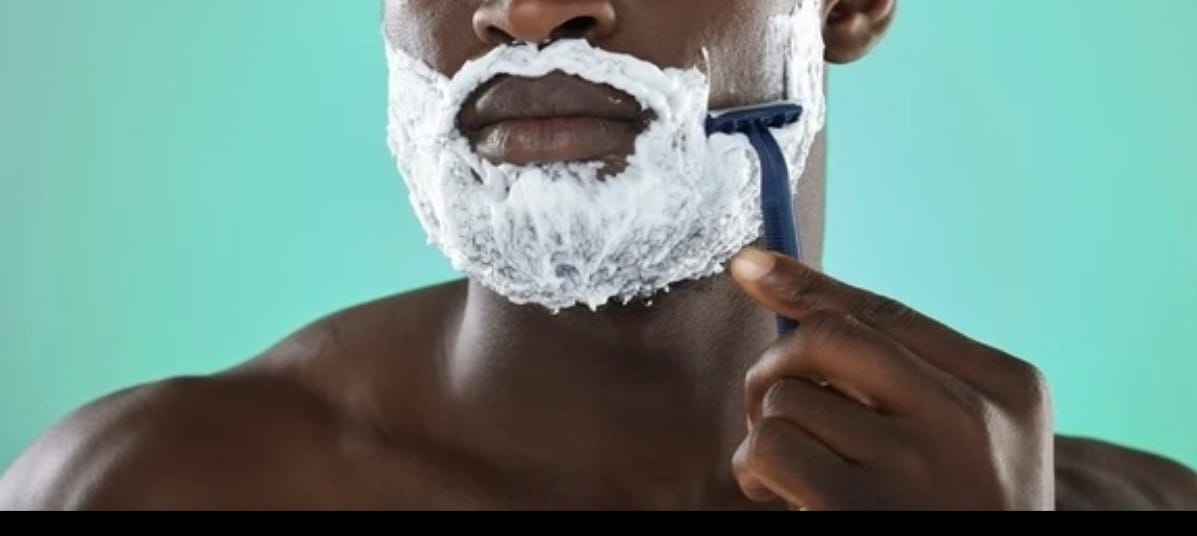
Using a shaving gel, cream or a product designed to protect the skin can also reduce friction between the razor and the skin. Shaving on dry skin increases the risk of small cuts and irritation because the blade pulls directly on the hair.
Choosing the right technique
The way the razor is used can make a big difference. A clean and sharp razor should always be preferred because a worn blade requires more pressure and can irritate the skin.
It is also advisable to shave in the direction of hair growth rather than against it, especially in sensitive areas. Although shaving against the direction of hair growth can give a smoother result, it increases the risk of ingrown hairs and inflammation.
Repeatedly passing the razor over the same area should be avoided. Each additional pass increases friction and can weaken the skin barrier.
Taking care of the skin after shaving
After shaving, the skin needs to be soothed and protected. Rinsing the area with cool water can help calm the skin. Applying a fragrance free moisturizer or a soothing product containing ingredients such as aloe vera can help restore hydration.
Tight clothing should be avoided immediately after shaving, particularly in areas prone to friction. Wearing loose and breathable fabrics allows the skin to recover and reduces irritation.
When to seek medical advice
Most shaving related reactions disappear within a few days. However, persistent redness, painful bumps, swelling, pus or signs of infection may require medical attention. These symptoms can sometimes indicate a more serious skin reaction, such as folliculitis, an inflammation of the hair follicles.
Maintaining good hygiene, using suitable shaving products and adopting gentle techniques are simple habits that can help prevent skin problems and make shaving a safer experience.