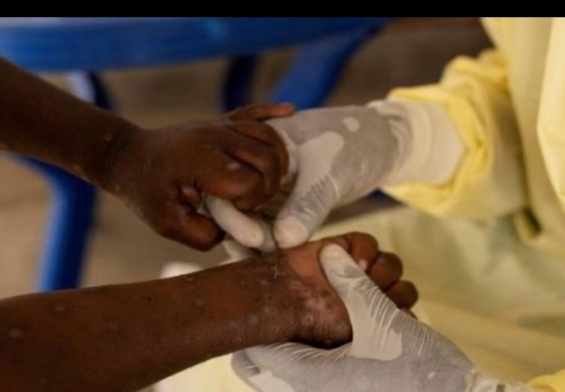
Published in The Lancet, the results of the EMPIRICAL clinical trial demonstrate for the first time that a 15-day empirical treatment with valganciclovir reduces the risk of death by 40% in infants living with HIV hospitalized for severe pneumonia.
“This result represents a major step forward in the fight against HIV-related infant mortality,” said Dr. Pablo Rojo, coordinator of the EMPIRICAL trial, welcoming the publication of the results in The Lancet on July 17, 2026. For the first time, a randomized study demonstrates that a 15-day empirical treatment with valganciclovir can reduce mortality in infants living with HIV hospitalized for severe pneumonia in Africa. Conducted in 19 hospitals across six sub-Saharan African countries (Côte d’Ivoire, Malawi, Mozambique, Uganda, Zambia, and Zimbabwe), the trial included 558 infants aged 28 to 365 days. These children, admitted for severe HIV-associated pneumonia, were randomized into a group receiving standard treatment and a group also receiving oral valganciclovir at a dose of 16 mg/kg twice daily.
The results are striking: at 15 days, mortality was 23% (64 deaths out of 276) in the valganciclovir group, compared to 27% (76 out of 282) in the group without antiviral treatment. The reduction in the risk of death at 15 days reached 40% (adjusted hazard ratio 0.60; 95% CI 0.41–0.87; p=0.0063). This protective effect, maximal during the first four weeks, gradually diminishes over one year, probably due to the resumption of viral replication after treatment discontinuation. Treated infants also benefited from a significant reduction in hospital days over one year (rate ratio 0.77). The number needed to treat to save one life at 15 days is 20 children, a favorable ratio that reinforces the clinical value of this strategy.
A reassuring security profile
Neutropenia, a known side effect of valganciclovir, was more frequent during the first 15 days of treatment (odds ratio 1.98), but these episodes were mostly grade 1 or 2, resolved, and were not associated with an increase in infections or deaths. At one year, no increase in serious adverse events was observed (odds ratio 0.64).
An urgent matter for health policies
This discovery comes at a time when pneumonia remains the leading cause of death among children living with HIV, with acute mortality reaching up to 40%. Cytomegalovirus (CMV), a respiratory pathogen frequently identified during autopsies of these infants, was until now systematically undertreated due to a lack of evidence and diagnostic difficulties in resource-limited settings. « Current WHO recommendations do not advocate empirical treatment of CMV, » the authors note. Yet, 82% of participants had detectable CMV viremia at baseline, with a median CMV viral load of 4.2 log10.₁₀copies/mL. »L’WHO examines dejhasthese reresults for decider if it officially recommends the’use of valganciclovir in all infants under one year of age living with HIV who present with severe pneumonia.
But the authors warn that updating recommendations alone will not be enough. Access to valganciclovir remains extremely limited in low-income countries due to its cost and availability. “Without expanded generic production and policy interventions, the observed clinical benefits may not translate into a significant impact at the population level.”