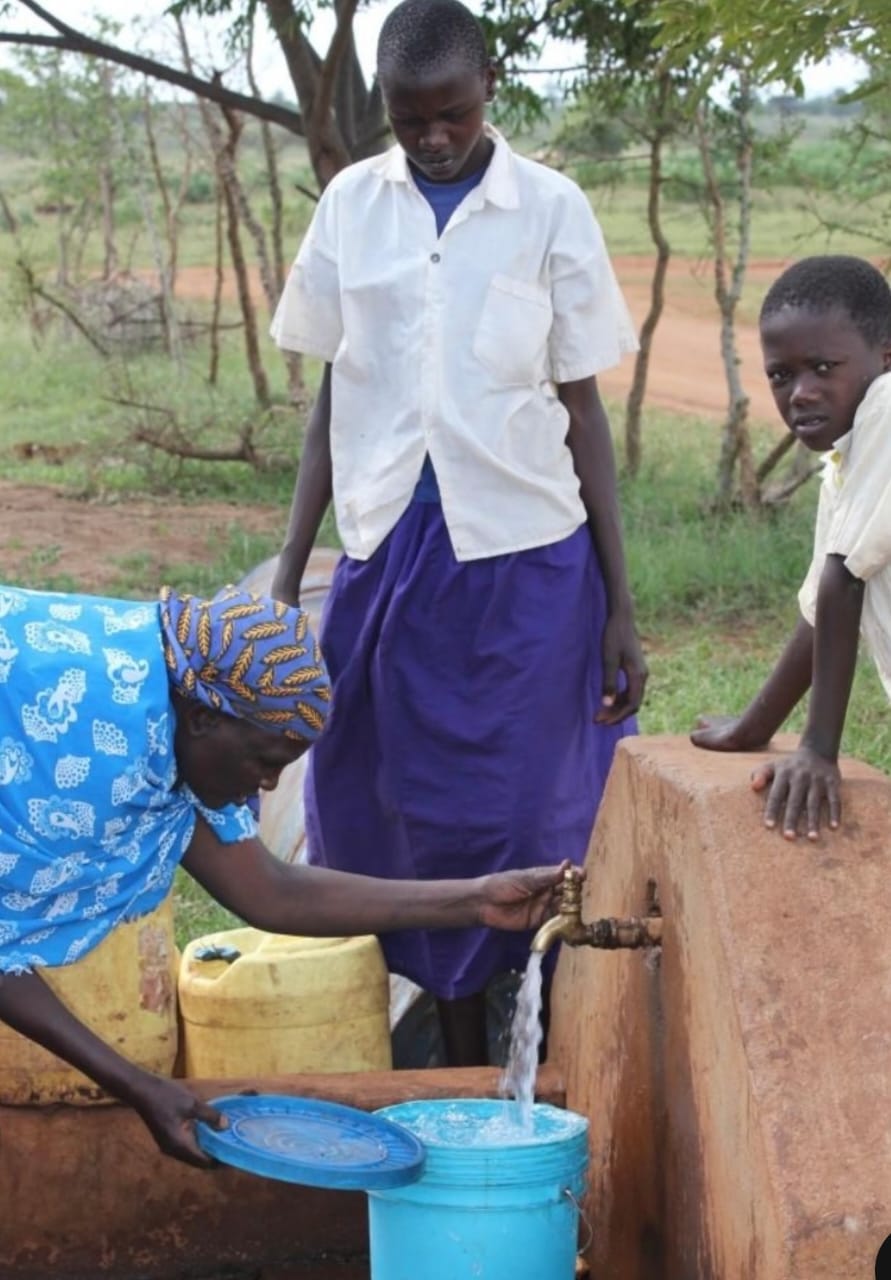
From the source to the glass, a few simple precautions can help prevent contaminated water from becoming a health threat.
Water is essential for life, but unsafe water can also become a pathway for disease. In many communities, households rely on different sources such as boreholes, wells, springs, taps or water vendors. When these sources are poorly protected or contaminated, they can expose families to diarrheal diseases, cholera, typhoid fever and other infections.
The risk does not end once water has been collected. Poor handling, dirty containers and unsafe storage can contaminate water that was initially clean.
Start with the source
possible, drinking water should whenever come from a protected and reliable source. Wells and springs need to be kept away from waste, latrines, stagnant water and areas exposed to flooding.
Particular attention is needed during the rainy season. Heavy rains and flooding can carry human and animal waste into wells, streams and other water sources,
increasing the risk of contamination.
Water collected from rivers, streams or other untreated sources should not be consumed directly.
When in doubt, treat it
Water that looks clear is not necessarily safe. Harmful microorganisms cannot always be seen, smelled or tasted.
If the safety of drinking water is uncertain, it should be treated before consumption. Boiling remains one of the simplest household methods. The water should reach a rolling boil before being allowed to cool in a clean, covered container.
Approved water-treatment products can also be used, provided that the instructions on the product are followed carefully. Treatment is only effective if the water is subsequently handled and stored hygienically.
Keep contamination out
A clean container with a tight-fitting lid can make a major difference. Drinking water should be stored separately from water used for washing or cleaning.
Avoid dipping hands, cups or other objects directly into a storage container. A clean ladle or a container fitted with a tap is preferable. Water containers should also be washed regularly and kept covered.
Another important precaution is to avoid reusing containers that previously contained fuel, pesticides, detergents or other chemicals for drinking water.
Clean hands, safer water
Even properly treated water can become contaminated through dirty hands. Hands should be washed with soap and safe water after using the toilet, after cleaning a child and before collecting, treating or serving drinking water.
The same principle applies when preparing meals. Fruits and vegetables eaten raw should be washed with safe water, while ice should only be made from water that is safe to drink.
Protect water beyond the household
Keeping drinking water safe is also a community responsibility. Protecting wells and boreholes, keeping their surroundings clean and preventing human waste from reaching water sources can reduce contamination.
Every household can contribute by disposing of waste properly, avoiding defecation near water points and reporting damaged or contaminated water facilities.
Safe drinking water is not only about what comes out of the tap or pump. The way water is collected, treated, stored and served matters just as much. Simple hygiene habits can therefore become an important first line of defense against waterborne diseases.