Faced with climate crises and dependence on inputs, agroecology gives rural communities back control of their seeds and their land.
In a world where climate crises and the upheavals of international markets increasingly threaten the stability of nations, a silent and beneficial revolution is taking root in the heart of rural areas. Agroecology does more than simply offer a technical alternative to the dead ends of intensive agriculture; it redefines the fundamental pact between humankind, the land, and food. By giving rural communities absolute control over their seeds and their land, this approach frees producers from dependence on external chemical inputs and establishes self-sufficiency as a true shield against the uncertainties of the future.
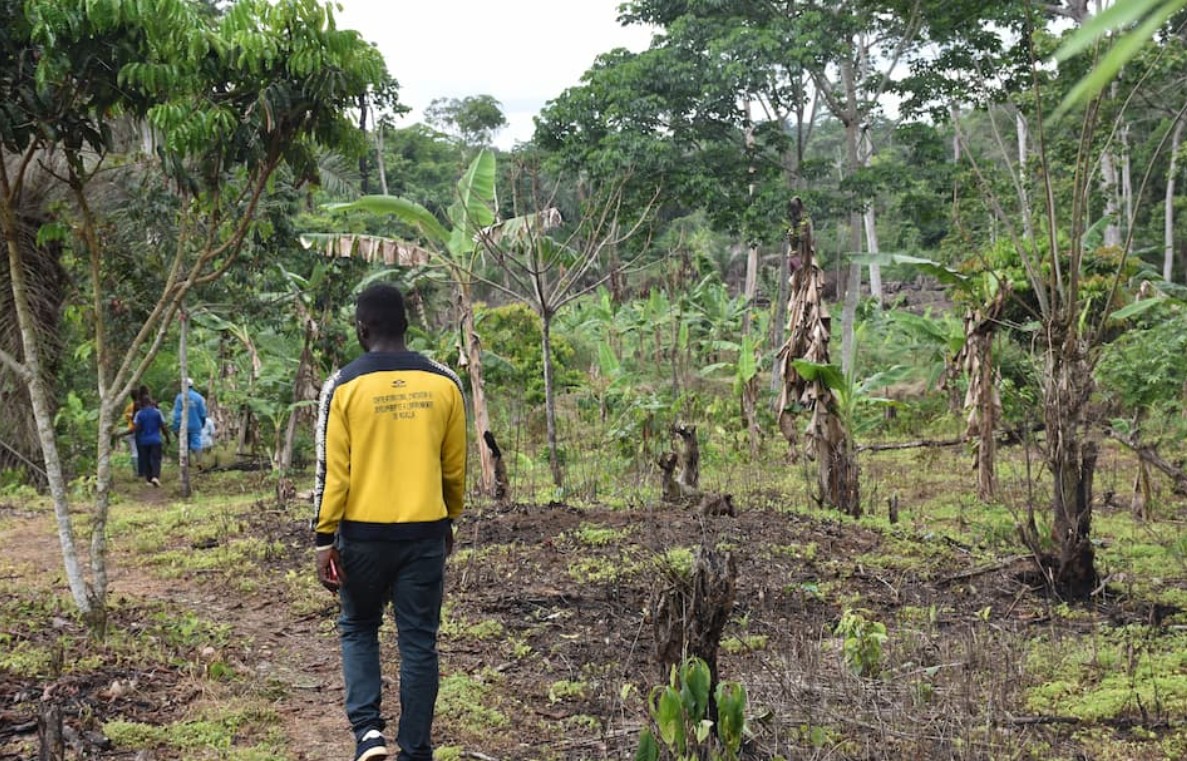
The first major pillar of this profound transformation lies in regaining food sovereignty. Having been held captive for too long by imported models and the tyranny of exorbitantly priced chemical fertilizers, farmers are now reclaiming their full decision-making freedom. From now on, local actors themselves decide what to cultivate based on real needs, ecological specificities, and the traditions of their own region. This newfound autonomy is accompanied by the virtuous development of short supply chains, where marketing takes place as close as possible to the production sites. This local trade sustainably stabilizes market prices, revitalizes the rural economy, and rebuilds an invaluable bond of trust between those who work the land and those who sit down at the table.
This economic emancipation is complemented by essential dietary diversification, a true guarantee for public health. Gone are the days of intensive monocultures that deplete the soil and homogenize diets to the detriment of nutrition. Agroecology celebrates polyculture by intelligently combining several plant species on the same plot, a natural symbiosis that nourishes the soil deeply while providing populations with a rich, varied, and balanced diet based on local vegetables, sun-ripened fruits,and nutritious grains.
More than just a qualitative improvement in meals, this diversity constitutes a true lifeline against increasingly unpredictable climate hazards. If a heatwave, drought, or pest were to decimate a crop variety, the harmonious coexistence of other species guarantees that granaries will not remain empty and that the family’s food security will be preserved. By rigorously relying on the laws of nature rather than trying to force them with synthetic products, agroecology demonstrates that it is possible to produce food healthily and sustainably, paving the way for a future where the earth nourishes its children while respecting their freedom and dignity.