A toothbrush may look clean and still lose its effectiveness over time. Knowing when to replace it is essential for maintaining good oral hygiene and preventing the accumulation of bacteria.
For many people, changing a toothbrush only happens when the bristles become visibly worn out. Yet, waiting until the brush looks completely damaged may mean using it for too long. Dental professionals generally recommend replacing a toothbrush or toothbrush head every three months, or sooner when it shows signs of wear.
When the bristles are no longer effective
The first warning sign is the condition of the bristles. When they become bent, flattened, frayed or spread in different directions, the toothbrush no longer cleans the teeth and gum line as effectively. A worn brush may also make it harder to remove dental plaque, particularly in areas that are difficult to reach.
The condition of the bristles can also provide a clue about brushing clothes. If they wear out very quickly, it may be because too much pressure is being applied. Brushing harder does not necessarily mean brushing better. Excessive pressure can irritate the gums and contribute to enamel wear.
After an illness, should you change it?
Replacing a toothbrush after an illness can also be considered, particularly if it has been used while experiencing an infection affecting the mouth or throat. However, simply keeping the same toothbrush for several months is not the only issue. A toothbrush should be rinsed thoroughly after use and stored upright in a place where it can dry properly.
Keeping it wet inside a closed container encourages microbial growth.
Toothbrushes should also not be shared, even between family members, because they can come into contact with saliva and microorganisms.
Three months is not a strict deadline
The three-month recommendation is a useful general rule, but it is not a countdown that applies identically to everyone. Someone who brushes very frequently or uses a toothbrush aggressively may need to replace it earlier. Conversely, a toothbrush that still has intact, straight bristles after three months should nevertheless be replaced as part of a regular oral-care routine.
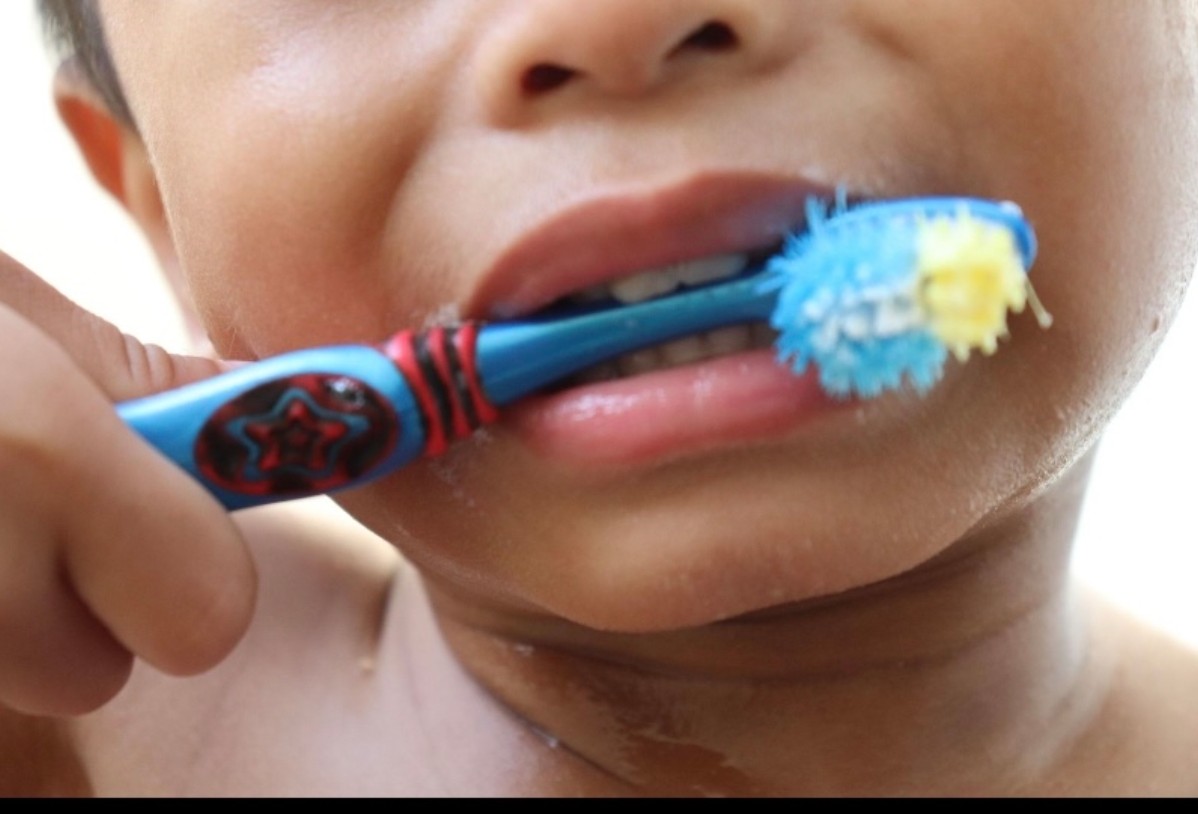
For children, checking the toothbrush regularly is particularly important. Young children may chew on the bristles, causing them to deteriorate quickly. A damaged brush should therefore be replaced without waiting for the usual three-month period.
Ultimately, a toothbrush is a simple tool, but its condition directly affects the quality of daily oral care. When the bristles are worn, damaged or deformed, it is time to let the old brush go and start again with a clean, effective one.