
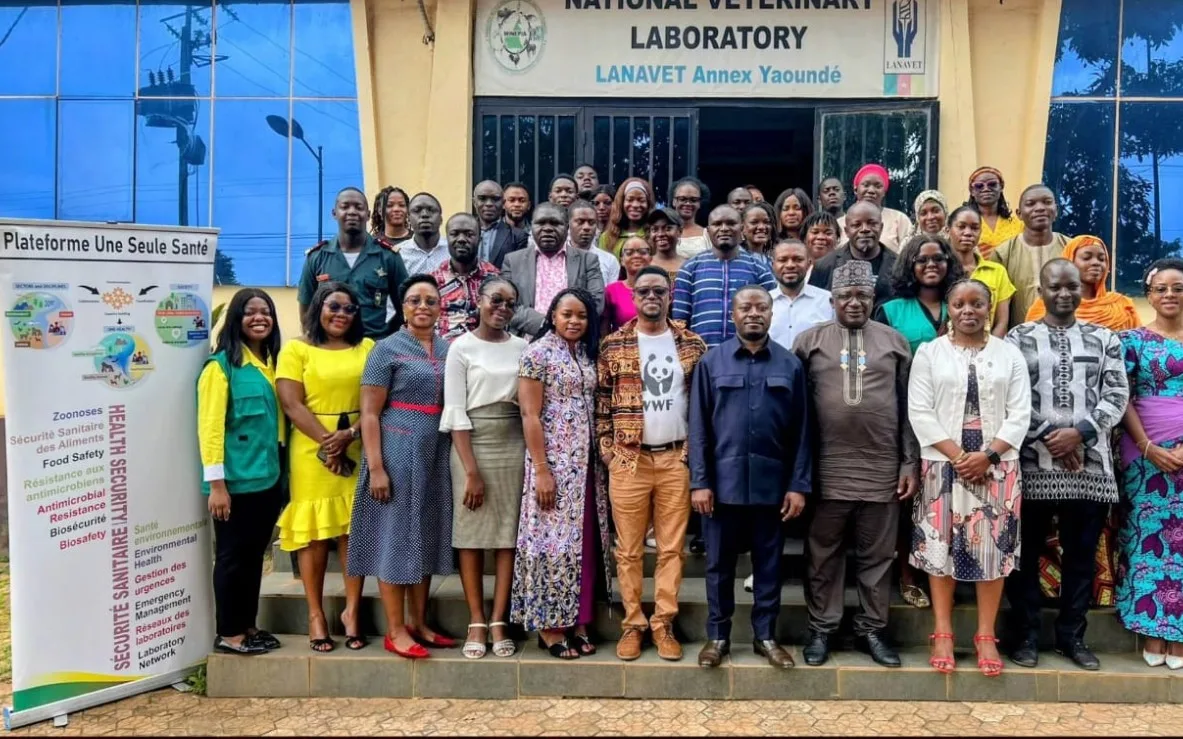
From September 1st to 4th, 2026, the Zoonoses Programme piloted a practical brucellosis diagnosis session at LANAVET.
In an ongoing effort to strengthen national health security, the Zoonoses Programme, part of the « One Health » platform, organized a practical capacity-building session for laboratory professionals on Brucellosis diagnostic techniques from September 1st to 4th, 2026, at the Yaoundé branch of the National Veterinary Laboratory (LANAVET). This activity is part of the national capacity-building efforts for surveillance and response to priority zoonoses. It follows training organized in 2025 on priority zoonoses, antimicrobial resistance, and food safety.
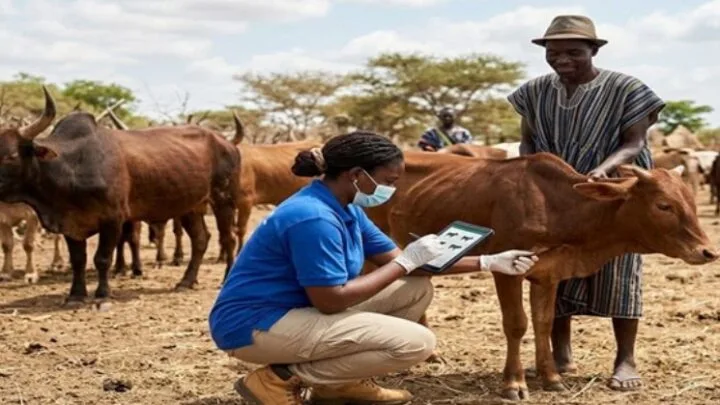
Brucellosis, a major zoonotic disease caused by bacteria of the genus Brucella, poses a real threat to public and animal health, particularly in livestock farming where it causes abortions and reproductive disorders, while also exposing professionals to the risk of infection through handling infected animals or samples. Furthermore, the four-day practical session took place in the renovated facilities of the LANAVET Mvog-Betsi annex, whose biosecurity and biosafety infrastructure has been significantly strengthened thanks to support of over two billion CFA francs within the framework of cooperation between Cameroon and the United States, now enabling effective monitoring of the main zoonoses. Indeed, the choice of Brucellosis diagnosis as the central theme of this training is not insignificant, as this disease is among the priority zoonoses identified by the Cameroonian health authorities within the framework of the National Strategic Plan for Operational Research in Health 2026-2030, which fully integrates the « One Health » approach.
Furthermore, this initiative is part of the ongoing efforts of the Zoonoses Program to break down silos between the human and animal sectors, as evidenced by the recent deployment of the COHIS digital platform, which enables the real-time sharing of health data between different government agencies. In addition, the practical training was delivered by experts from LANAVET, a public institution under the supervision of the Ministry of Livestock, Fisheries, and Animal Industries, whose primary mission is to ensure animal health surveillance, combat epidemics, and conduct veterinary analyses. Consequently, the trained professionals were able to master diagnostic techniques, from bacteriology to molecular methods, essential for the early detection and reliable confirmation of cases.
This practical session is a crucial component of the national health emergency preparedness strategy, especially given Cameroon’s $23.5 million in funding from
the Pandemic Fund to sustainably strengthen its surveillance and diagnostic capacities for diseases with epidemic potential. Ultimately, by investing in the continuing education of laboratory professionals, the Zoonoses Program is consolidating the foundations of a resilient health system capable of effectively protecting populations and livestock against emerging health threats.