As the Ebola outbreak in the Democratic Republic of the Congo continues to test health systems and regional preparedness, the United Kingdom has increased its financial commitment to £78.7 million. Africa CDC says the support comes at a critical moment, but insists that strong partnerships must reinforce an African-led response.
Africa is taking the lead in the fight against Ebola, with international partners being called upon to support efforts driven by affected countries and continental health institutions. This approach was once again highlighted after the United Kingdom increased its financial commitment to the Ebola response, bringing its total support to £78.7 million.
In a statement issued on September 6, the Africa Centers for Disease Control and Prevention (Africa CDC) welcomed the decision, describing the additional support as timely as the continent intensifies efforts to stop transmission, protect communities and support health workers on the front line.
The announcement followed discussions in Addis Ababa between Africa CDC Director General Dr Jean Kaseya and the United Kingdom’s Minister for Development, Kirsty McNeill. Their meeting focused on the Ebola response, regional coordination and the need for sustained support to countries facing the outbreak.
Strengthening the response
The additional British funding is expected to support the response in the Democratic Republic of the Congo and Uganda, while also contributing to wider regional coordination and preparedness.
The resources will help reinforce some of the pillars considered essential to controlling an Ebola outbreak. These include disease surveillance, laboratory capacity, infection prevention and control, patient care and community engagement.
Cross-border preparedness is also expected to receive attention. In regions where population movements and commercial exchanges are frequent, an outbreak can quickly become a concern beyond the borders of the country where it first emerges. Early detection and rapid information-sharing between neighboring countries are therefore critical to preventing further spread.
African leadership at the center
For Africa CDC, however, the announcement is about more than financial support.
The continental public health agency has emphasized the importance of ensuring that international assistance is aligned with the priorities of affected countries and African institutions.
Dr Jean Kaseya welcomed what he described as the United Kingdom’s recognition of African leadership in the response. According to Africa CDC, the agency is working closely with the Democratic Republic of the Congo, neighboring countries and international partners to contain transmission and protect communities.
The approach reflects a broader push for greater African ownership of health emergency responses. While international funding and technical expertise remain essential, African institutions are increasingly seeking to play a central role in coordinating action and defining priorities during major health crises.
Partnerships under pressure
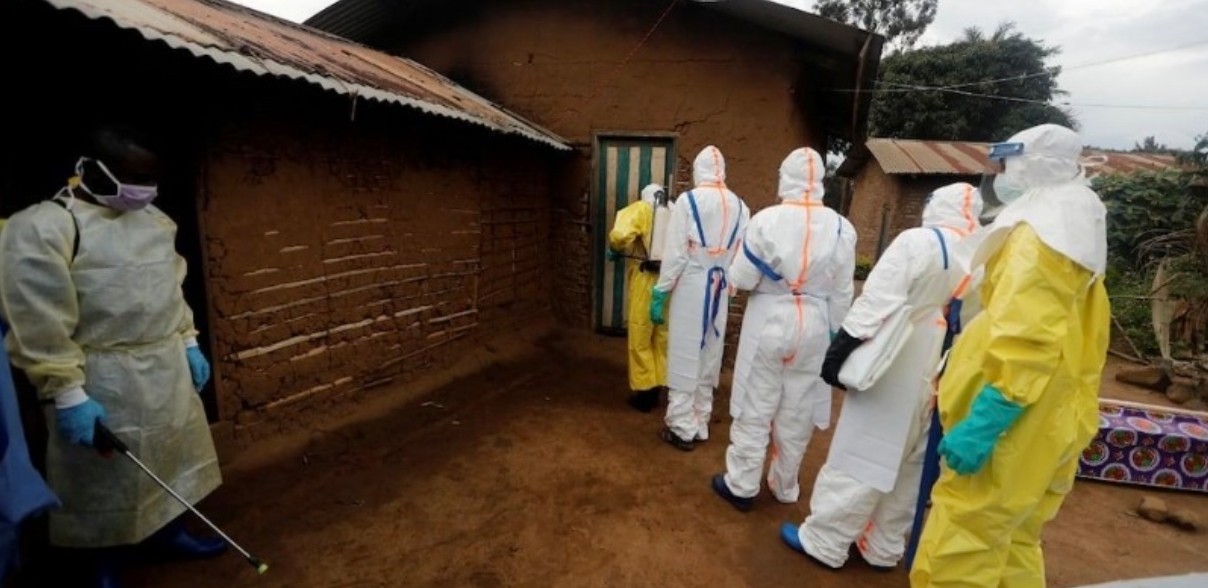
The increased UK commitment comes as the Ebola response faces significant operational challenges. The outbreak in the DRC has spread across several areas, placing additional pressure on surveillance systems, treatment capacity and frontline health workers.
The World Health Organization has also warned of shortages of trained personnel, operational partners and funding, highlighting the scale of the resources still required to bring the epidemic under control.
For Africa CDC, this is precisely why partnerships remain crucial. But the agency’s message is clear: international support is most effective when it strengthens national health systems and regional coordination rather than replacing local leadership.
As Ebola continues to pose a threat to affected communities and neighboring countries, the £78.7 million commitment illustrates the importance of international solidarity. The ultimate test, however, will be whether financial support can be rapidly translated into stronger surveillance, better protection for health workers, improved care for patients and greater community trust.
In the fight against Ebola, Africa CDC’s position is increasingly clear: Africa may be on the front line, but controlling the outbreak will require strong global partnerships built around African leadership.