Balancing comprehensive muscle development, mental mastery, and rigorous medical monitoring, the competition highlights the major benefits this discipline offers athletes.
A key event on the continental sports calendar, the African Judo Open showcases the excellence of the competitors while revealing the demanding nature of the sport. Beyond podiums and medals, preparing for and participating in such a high-level competition underscores judo’s significant impact on athletes’ holistic health, combining physical robustness, mental discipline, and state-of-the-art medical monitoring.
Total biomechanical and cardiovascular demands
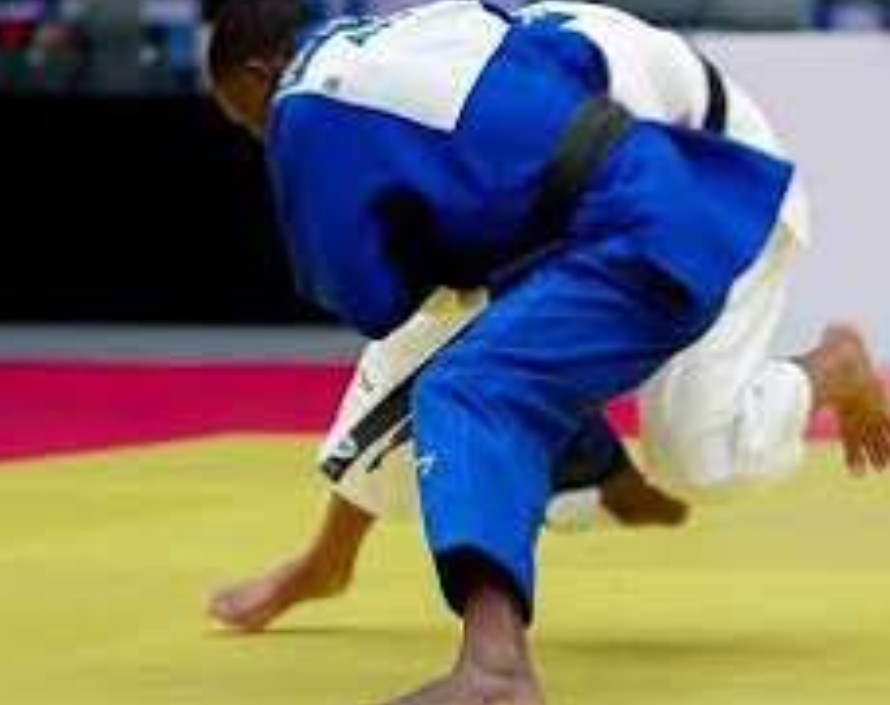
Physically, judo practiced at the intensity of an African Open is akin to a comprehensive functional workout. Combat phases (randori and competition) engage the entire muscular chain: hand and forearm grip strength (kumi-kata), lower-body power for throws, and core and back stability.
Furthermore, this combat sport builds cardiorespiratory endurance through alternating bursts of explosive, anaerobic effort. Athletes significantly improve their flexibility, balance, and proprioception. Mastering the art of falling also strengthens
the skeletal and joint structures, reducing the risk of chronic injury while forging a resilient body.
Mental acuity, stress management, and self-control
Competing at an international level demands constant concentration. When facing an opponent, the judoka must instantly analyze imbalances, anticipate attacks, and adjust tactics in a split second, thereby stimulating higher-level cognitive functions. On an emotional level, managing competition weight, pre-fight anxiety, and psychological pressure compels athletes to develop rigorous self-discipline and a high degree of self-control. This mental strength rooted in the moral valuesof judo (respect, courage, and modesty) fosters a solid psychological balance that serves the athlete well both on the tatami and in daily life.
Medical monitoring and athlete support: a public health priority
Finally, the organization of major tournaments highlights the critical importance of medical care, as well as osteopathic and nutritional support, for athletes. Strict adherence to weight categories, combined with post-exertion recovery protocols, instills healthy, preventive lifestyle habits in judokas. By prioritizing athlete health in this way, the African Judo Open establishes itself not only as a showcase for athletic performance but also as a model of excellence in sports medicine.