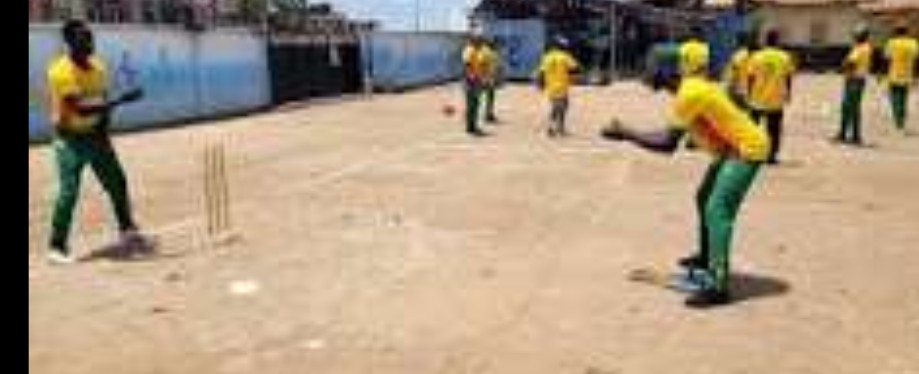
Balancing cardiovascular demands, mental acuity, and social cohesion, this sport offers local athletes a holistic approach to physical and psychological well-being.
The Cameroonian sports landscape is no longer confined to football pitches or basketball courts. Driven by a trend toward sporting diversification, cricket is continually gaining ground and becoming a fixture in the lives of young people. Beyond the competitive excitement and curiosity it sparks, this British-born sport is proving to be a powerful driver of well-being. Here is an analysis of the profound benefits of playing cricket for the physical and psychological condition of
Cameroonian athletes.
Comprehensive biomechanical demands: from sprinting to endurance
Long and wrongly perceived as a static game, cricket is actually an extremely demanding sport from an athletic perspective. For the Cameroonian athletes who play it, the physical benefits are manifold. Phases of play require constant alternation between intense anaerobic efforts such as explosive sprints to score runs between the wickets—and periods of active recovery or vigilant waiting.
This structure engages the entire cardiorespiratory system, improving overall endurance and lung capacity. Muscularly, the bowling action builds power in the shoulder and pelvic girdles, while batting demands optimal engagement of the kinetic chain, from the ankles to the trunk’s rotational muscles. Furthermore, fielding catching the ball and maintaining defensive stances significantly sharpens proprioception, balance, and hand-eye coordination; these are essential qualities for preventing everyday joint injuries.
Mental acuity and stress management at the heart of performance
While the body is put to the test, the mind is equally challenged. Cricket is often described as a sport of strategy and patience. In a context where matches can span several hours, Cameroonian athletes develop an extraordinary capacity for concentration. Keeping one’s attention fixed on the ball’s trajectory, anticipating an opponent’s intentions, and constantly analyzing teammates’ positioning stimulates higher-level cognitive functions.
On an emotional level, the constant psychological duels between the bowler and the batsman force the athlete to master their anxiety. Learning to handle the pressure of a tight match, accepting the failure of a poor shot, and remaining focused on the collective goal builds psychological resilience. This personal development has a positive spillover effect on stress management off the field, fostering overall mental balance.
A vital vehicle for social cohesion and preventive health
At a societal level, the rise of cricket in Cameroon plays a significant public health role. By offering a stimulating alternative to sedentary activities, it actively contributes to the fight against chronic non-communicable diseases such as obesity, hypertension, and metabolic disorders which are increasingly prevalent in urban areas.
Furthermore, the sport’s inherently team-oriented nature and emphasis on fair play
foster socialization, inclusion, and stronger community ties. The valuesof mutual respect and discipline it instills contribute to the holistic development of young athletes, making cricket far more than just a recreational pastime: it is a genuine passport to a healthy life.