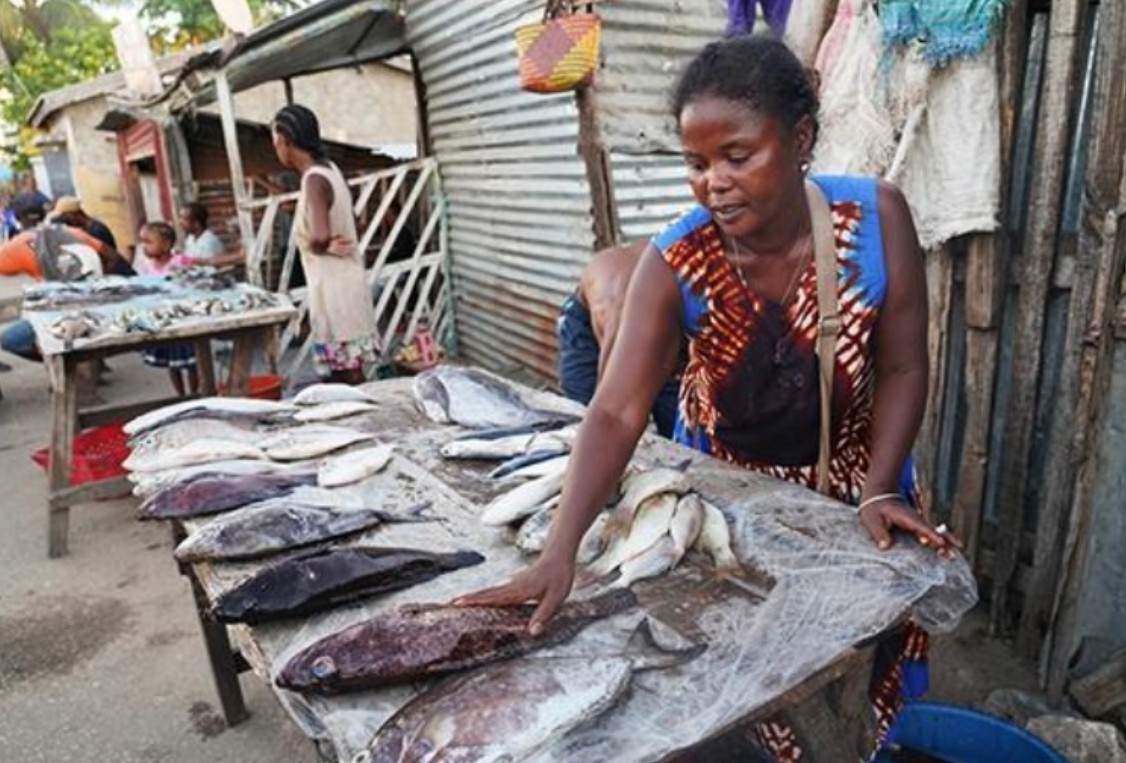
At a market, roadside stall or street shop, it is not unusual to find food displayed for hours under the heat. While a few minutes in the sun may not be enough to make every product unsafe, prolonged exposure to high temperatures can accelerate spoilage and increase the risk of foodborne illness, particularly for perishable foods.
Fresh meat, fish and poultry
These are among the foods requiring the greatest caution. Raw meat, poultry and fish can carry harmful microorganisms and should normally be kept refrigerated or properly chilled. WHO recommends protecting such foods from sunlight and heat, while FAO stresses the importance of maintaining appropriate temperatures throughout storage and sale.
If meat or fish has been displayed in the sun without adequate cooling, check its appearance and smell carefully. However, normal appearance does not guarantee safety. When in doubt, it is safer not to buy it.
Milk and other dairy products
Fresh milk, yogurt, cream and some soft cheeses are particularly sensitive to heat. Their safety depends largely on maintaining the appropriate cold temperature. FAO guidance states that milk and dairy products should be kept at suitable temperatures throughout storage and distribution.
For packaged dairy products, check the storage conditions, expire or use-by date and whether the packaging appears damaged, swollen or unusually warm.
Cooked foods and ready-to-eat meals
Rice, pasta, meat dishes, sauces, stews and other cooked foods can become risky when left at room temperature for too long. According to WHO, cooked and perishable food should not remain at room temperature for more than two hours and should be refrigerated promptly.
This is particularly important when buying meals from roadside vendors. Food that has been sitting in direct sunlight for several hours should be avoided, especially if there is no visible system for keeping it hot or cold.
Cut fruits and vegetables
Whole fruits generally offer better protection than cut produce because their skin or peel provides a natural barrier. Once fruit or vegetables are cut, however, the exposed surface becomes more vulnerable to contamination and deterioration. Heat can also accelerate moisture loss and quality deterioration in fresh produce.
Choose freshly cut produce that has been protected from direct sunlight and handled hygienically.
Eggs
Eggs are less immediately perishable than meat or fresh milk, but prolonged exposure to high temperatures can affect their quality and storage life. Avoid buying eggs that have been sitting in intense heat for long periods, particularly when they are cracked, dirty or poorly protected from contamination.
What about canned and packaged foods?
Not every product exposed to the sun becomes unsafe immediately. Dry, shelf-stable foods are generally less vulnerable to microbial growth than fresh or cooked foods. However, extreme temperatures can still affect food quality and packaging. FAO recommends protecting shelf-stable products from temperature extremes and maintaining the storage conditions specified by the manufacturer.
Before buying, avoid cans that are swollen, leaking, badly rusted or severely damaged. For packaged products, check the integrity of the packaging and the storage instructions.
A simple rule before buying
The more perishable the food, the more important temperature control becomes. Fresh meat, fish, poultry, dairy products, cooked meals and cut
produce deserve special attention. WHO identifies 5°C to 60°C as the temperature range in which bacteria that cause food poisoning can multiply rapidly.
When shopping, choose food that is protected from direct sunlight, kept in appropriate refrigeration or hot-holding conditions, and handled hygienically. If a highly perishable product has been exposed to intense heat for an unknown period, its low price may not be worth the food safety risk.