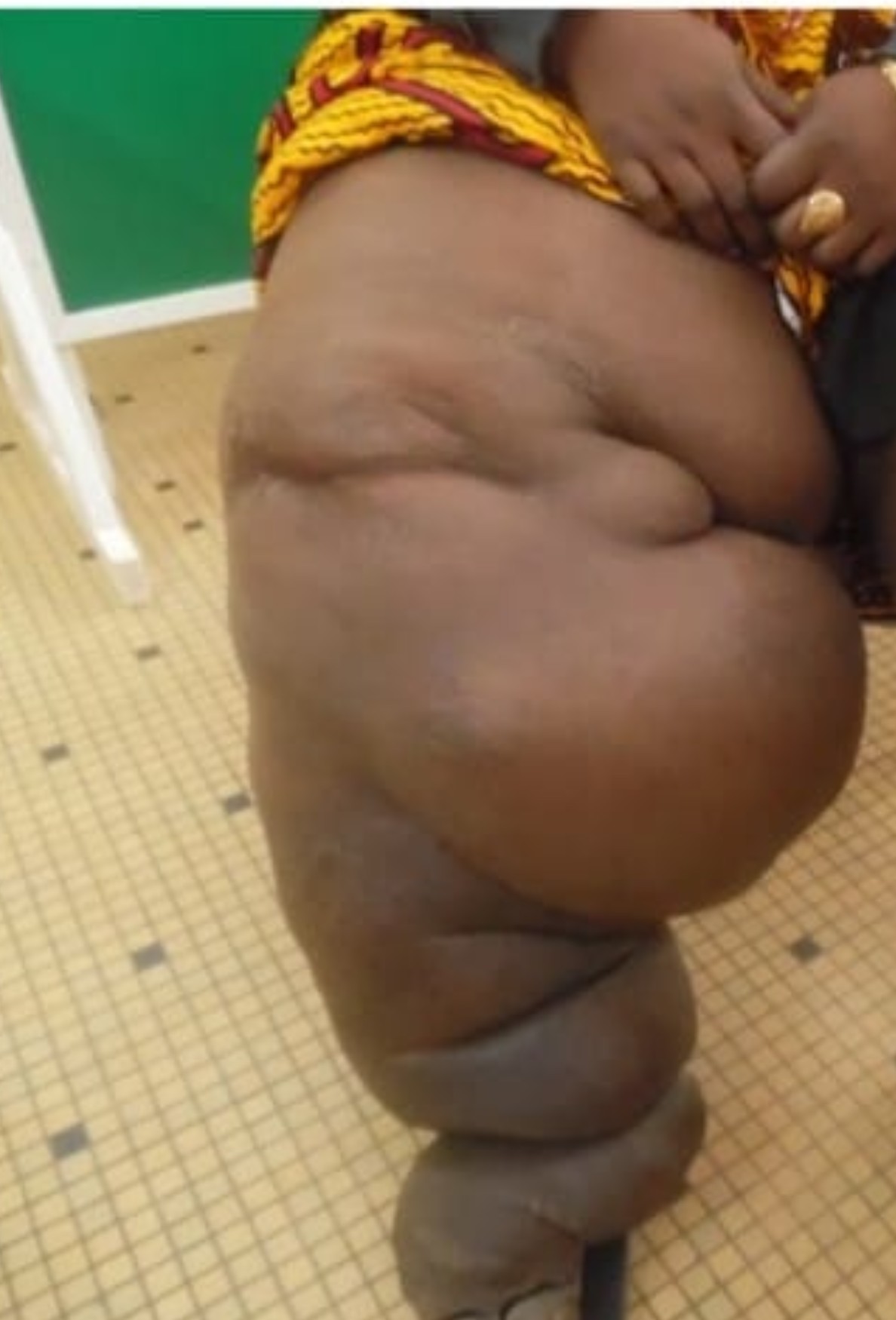
In many communities in this part of the country, these conditions are regarded as diseases of shame. This forces those affected to live in hiding, even though treatment facilities are available in hospitals.
In the Adamaoua region of Cameroon, hydrocele and lymphoedema remain ‘diseases of shame’ that drive sufferers to hide away, whilst they endure indescribable physical and social distress. However, the National Program for the Control of Neglected Tropical Diseases (NTDs) has made them a priority, with campaigns offering free surgery and care, a new series of which is being prepared in the region to ‘bring a smile back’ to those affected. According to Delphine, a Fulfulde-language presenter at a community radio station in the town of Ngaoundéré, hydrocele and lymphoedema are not the only conditions considered ‘diseases of shame’. In her view, all conditions affecting the genitals are subject to a taboo, and speaking about them publicly can be seen as an affront to modesty. This, according to the presenter, requires the use of coded language to encourage people to open up, talk about their conditions and be referred to care services. She has many such experiences to share, particularly as she has long been involved in raising awareness about health issues, notably obstetric fistulas in women.
The gaze of others
Hydrocele is an accumulation of fluid in the scrotum and lymphoedema a chronic swelling of the limbs (often the legs), are common complications of lymphatic filariasis, a disease transmitted by mosquitoes. In Adamaoua, as in other rural areas of Cameroon, these visible symptoms are often perceived as a curse or a blemish, leading to the isolation of those affected, dropping out of school or work, and sometimes to family breakdowns. “The complications include hydroceles, characterized by enlarged scrotums. There is also lymphoedema, which involves chronic swelling of the feet,” summarizes the healthcare staff, highlighting the burden these conditions place on daily life. Many patients delay seeking treatment for fear of how others will view them, thereby worsening their condition.
A structured response through free surgery and care
Faced with this burden, Cameroon has incorporated the management of morbidities associated with lymphatic filariasis into its national strategy for the elimination of neglected tropical diseases. In practical terms, this involves campaigns offering free hydrocele surgery in referral hospitals; the management of lymphoedema through hygiene care, drainage exercises and follow-up at health facilities; case mapping; and community mobilization to identify patients who are in hiding.
Partners such as Sightsavers and the WHO are supporting these initiatives, which aim not only to provide surgery but also to restore the dignity and independence of those affected.
The Adamawa Regional Public Health Delegation has announced a campaign offering free hydrocele surgery for the first 30 patients. Patients with lymphoedema will also receive free treatment. Under the supervision of the regional delegate, Guillaume Tchédélé, the delegation’s team supported by community health workers and community radio stations is actively seeking out cases eligible for this campaign. This would help restore a smile to the faces of those who suffer in silence, not only from the condition itself but also from the judgment of society.