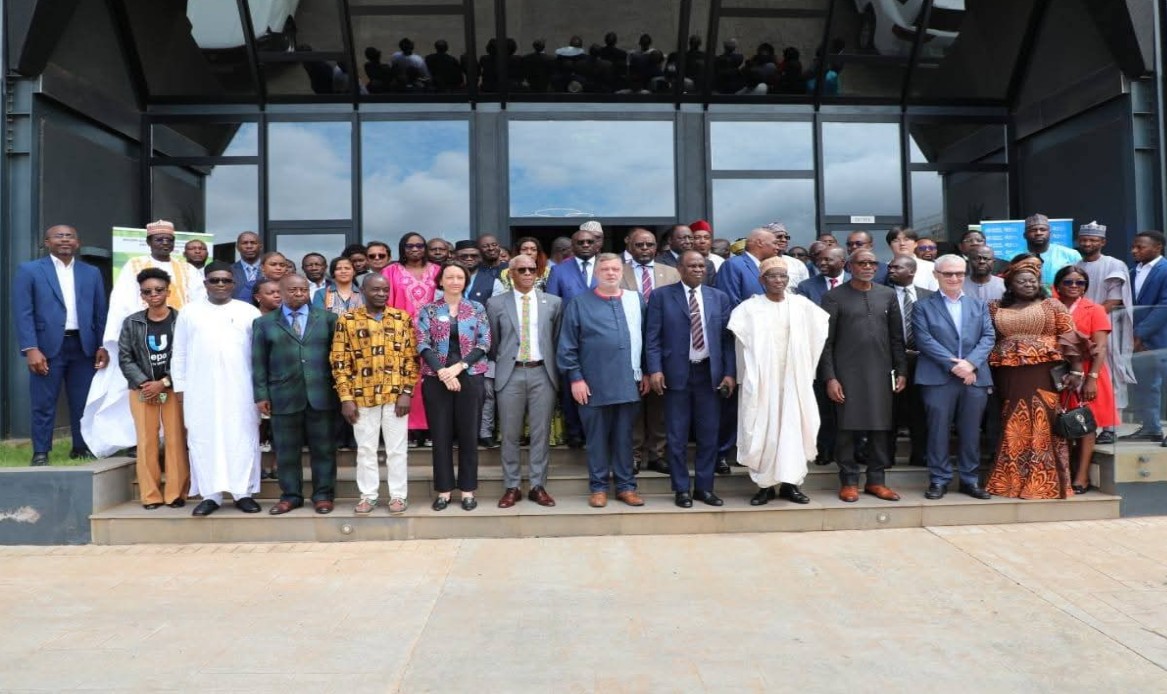
Meeting in Yaoundé on September 17, the Ministry of Environment, Nature Protection and Sustainable Development (MINEPDED) and the United Nations system in Cameroon focused on optimizing their cooperation. At the heart of the discussions was the One UN approach to stimulate climate action, strengthen green finance, and accelerate progress toward the goals of the National Sustainable Development Strategy (SND30).
Faced with global emergencies and pressing climate challenges that are reshaping the future of the planet, Cameroon’s capital was the setting for a strategic dialogue of crucial importance. On September 17, Yaoundé hosted a highly decisive thematic workshop, co-organized by the Ministry of the Environment, Nature Protection and Sustainable Development (MINEPDED) and the United Nations system in Cameroon. Focused on efficiency and synergy, this meeting explored new avenues of collaboration through the innovative lens of the One UN approach, a groundbreaking initiative that aims to propel the country’s ecological transition to unprecedented heights.
Bringing together a panel of experts, representatives from relevant sectoral
administrations, and technical and financial partners, the workshop provided an opportunity to review the progress made by an already rich and multi-sectoral bilateral partnership. From climate change adaptation and mitigation to biodiversity conservation, including the green and blue economy, renewable energy, and sustainable food systems, Cameroonian-UN cooperation embraces the fundamental pillars of sustainable development. However, in a global context marked by the complexity of environmental crises, fragmentation is no longer an option. The One UN approach is therefore essential as the appropriate response, constituting a structural reform through which all UN agencies, funds, and programs join forces on the ground to act with maximum coherence, efficiency, and coordination.
At the heart of the discussions, several key areas were examined to solidify this synergistic vision and accelerate the achievement of the objectives of the National Development Strategy (SND30). Participants emphasized the need to strengthen inter-agency coordination to eliminate duplication and maximize the impact of interventions on the ground, while consolidating data and rigorously mapping actions undertaken. The discussions also highlighted the importance of increased support for access to climate finance, the transfer of green technologies, and capacity building for national, local, and community stakeholders.
The implementation of the Nationally Determined Contribution (NDC 3.0) and the National Climate Plan was also a key priority, focusing on sustainable agriculture, the energy transition, and integrated waste management. Similarly, support for the green and blue economy aims to stimulate the creation of green jobs by actively including young people, women, and Indigenous Peoples. Finally, the discussions emphasized the imperative of cross-cuttingly integrating disaster risk management, the One Health approach, and the protection of vulnerable populations, including refugees and internally displaced persons, to ensure truly inclusive and resilient development.
Following this fruitful consultation, the stakeholders strongly reaffirmed their shared commitment. This renewed partnership, based on complementary expertise, knowledge sharing, and the collective mobilization of resources, paves the way for a more prosperous Cameroon, resolutely committed to sustainable development.