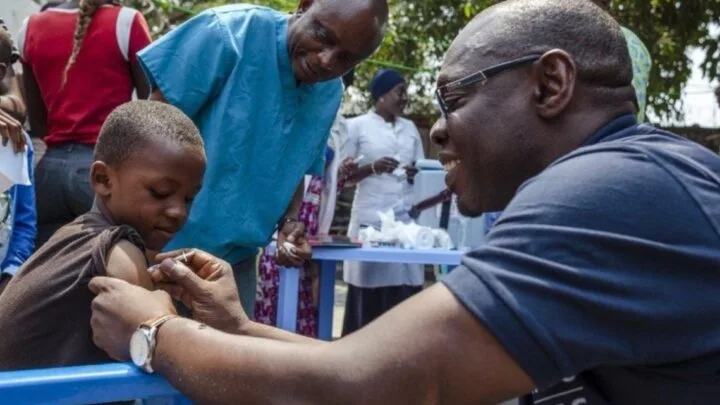

With 71 health alerts recorded and 23 suspected cases testing negative, South Sudan is strengthening its preparedness for Bundibugyo virus disease. A large-scale simulation conducted from 19 to 24 October 2026 tested the country’s ability to detect suspected cases, isolate patients and coordinate emergency interventions.
Organised by the Ministry of Health and the National Public Health Institute, with support from the World Health Organization (WHO), Africa CDC, UNICEF and other partners, the exercise took place in Juba, Yei and Yambio. More than 100 participants assessed the country’s operational readiness in the event of a potential outbreak.
According to WHO, 23 of the 71 health alerts met the standard definition of suspected Bundibugyo virus disease cases. Laboratory tests returned negative results, and no confirmed case had been reported in the country at the time of the announcement.
Testing emergency procedures
The simulation examined the response chain, from initial detection and notification to patient isolation, laboratory investigation and contact tracing. Ten simulation sites were established across the three locations: four in Juba, three in Yei and three in Yambio. A national emergency operations centre coordinated activities and tested communication between field teams and central authorities.
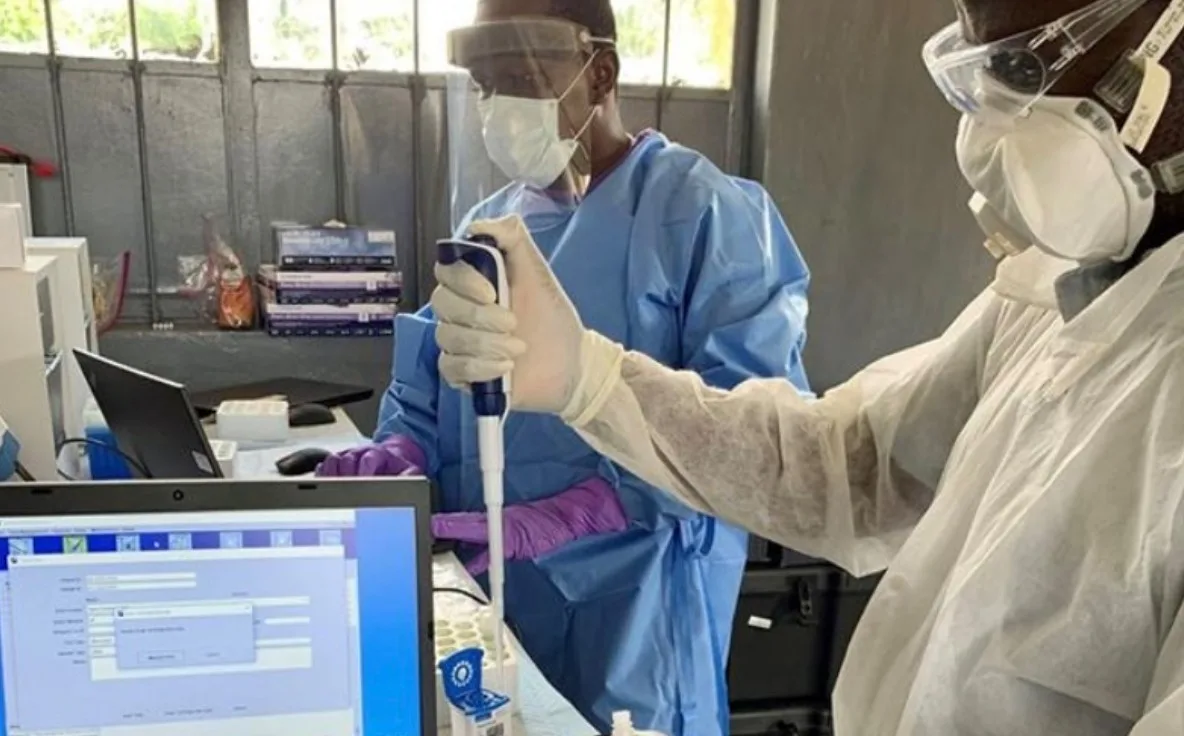
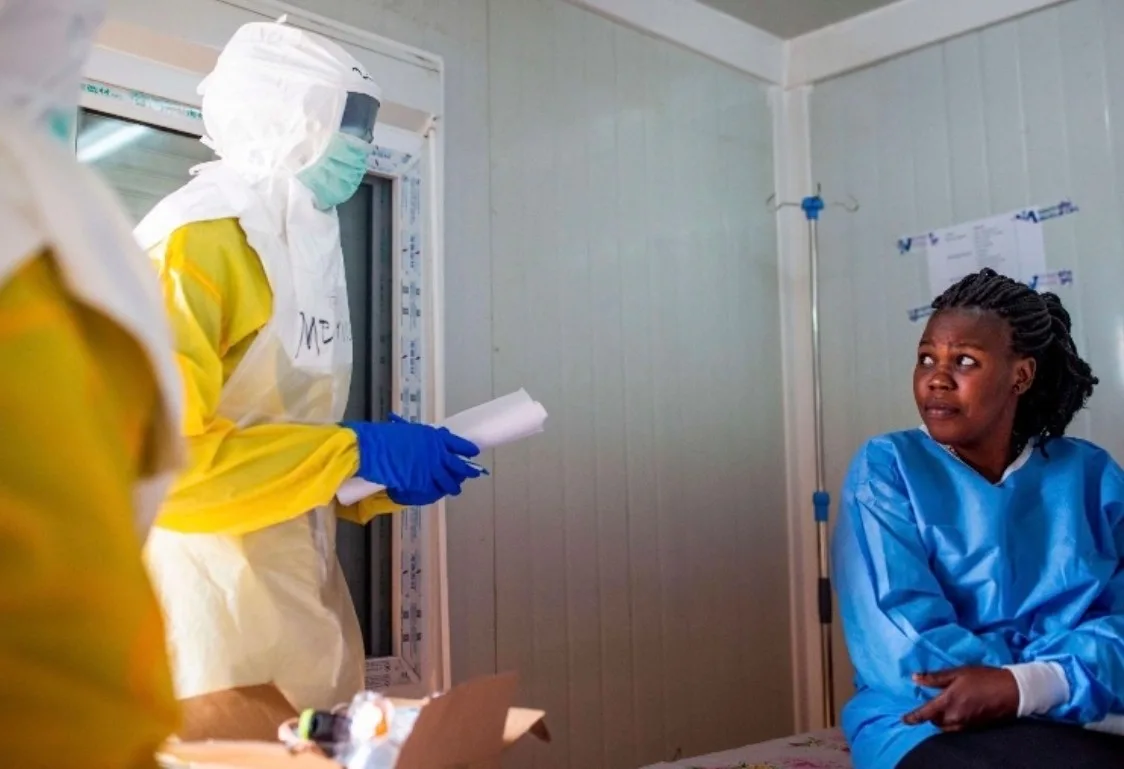
Participants practised using personal protective equipment, collecting and transporting biological samples, disinfecting vehicles and health facilities, and safely managing medical waste. Infection prevention and control, risk communication, community engagement, and safe and dignified burials were also covered.
Turning lessons into action
Following the simulation, participants reviewed their performance and considered immediate and short-term corrective measures. Their impact will depend on translating identified gaps into concrete actions supported by clear responsibilities, adequate resources and implementation timelines.
Further details on the assessment results and the corrective measures adopted would help establish how the exercise is expected to improve national readiness.
For South Sudan, the challenge extends beyond having emergency plans in place. Health workers, laboratories, surveillance teams and decision-makers must be able to coordinate their actions when a suspected infection is detected. Ensuring that lessons from the exercise produce measurable improvements will be essential to strengthening the country’s capacity to respond to a potential outbreak.