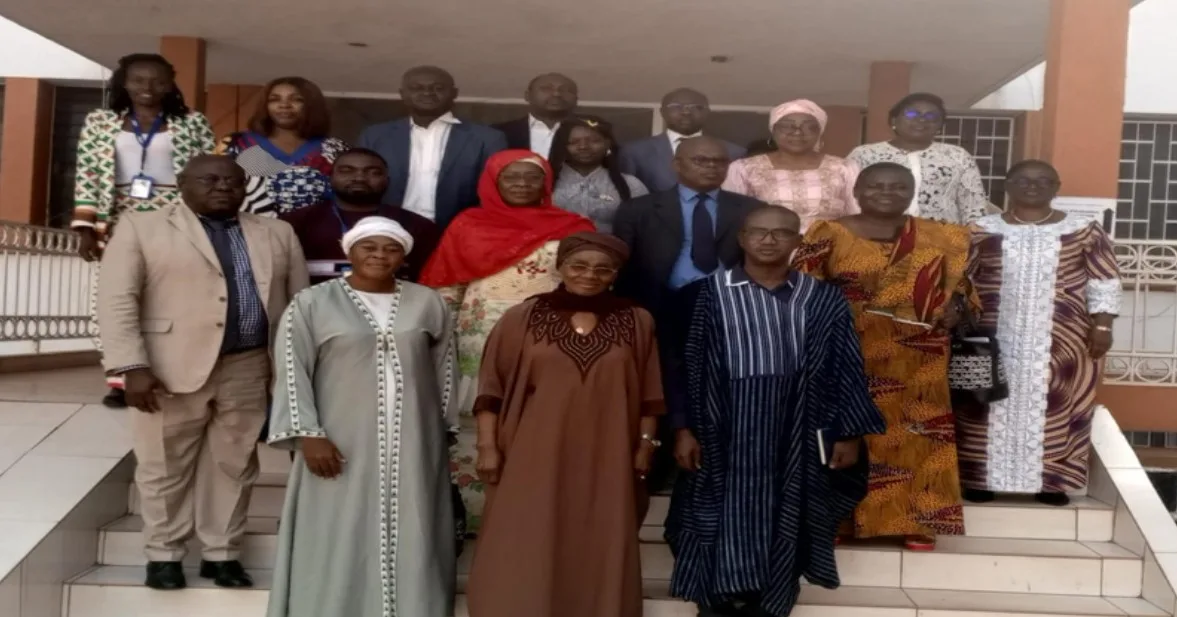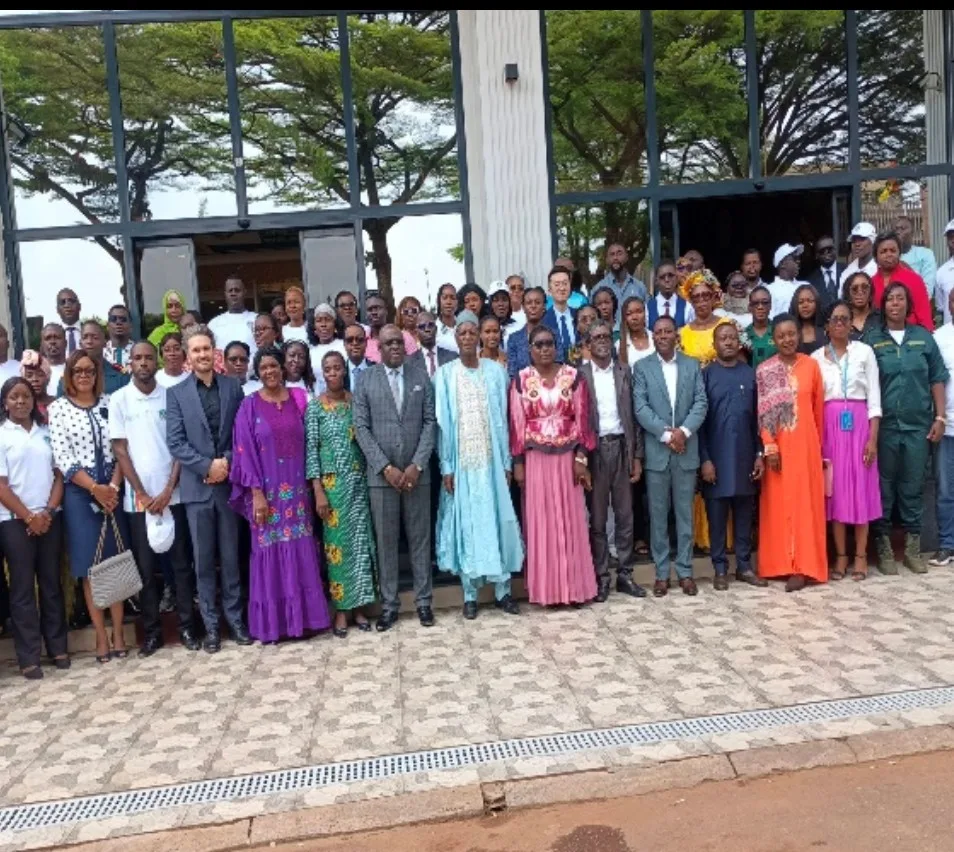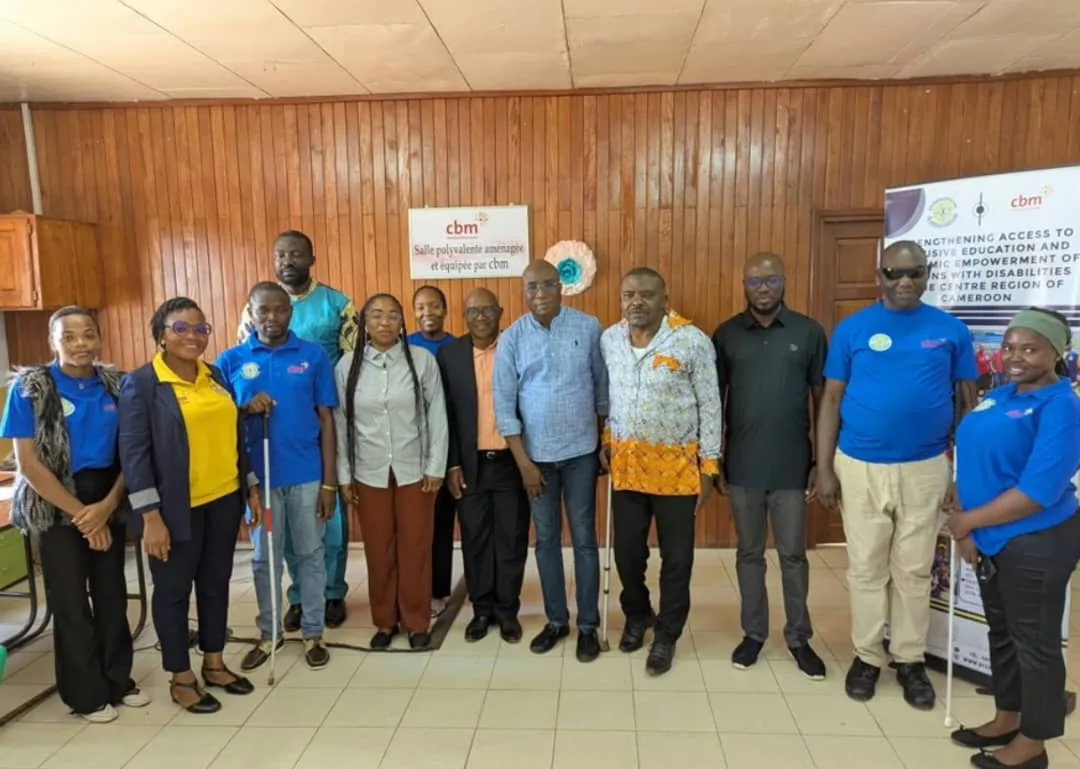

In response to the persistent cholera outbreak in the North Region of Cameroon, the World Health Organization (WHO) and the Ministry of Public Health have deployed 34 independent monitors to the field. Running through November 1, 2026, this dedicated team has combed the health districts of Garoua, Guider, and Pitoa with a single, clear directive: zero missed targets, achieved through an active and rigorous catch-up strategy.
The cholera outbreak continues to mobilize health authorities across the North Region. To ensure that no child or vulnerable person is left behind, WHO Cameroon, in direct support of the Ministry of Public Health, has deployed specialized teams to accompany the oral cholera vaccination campaign across the health districts of Garoua I, Garoua II, Guider, and Pitoa.
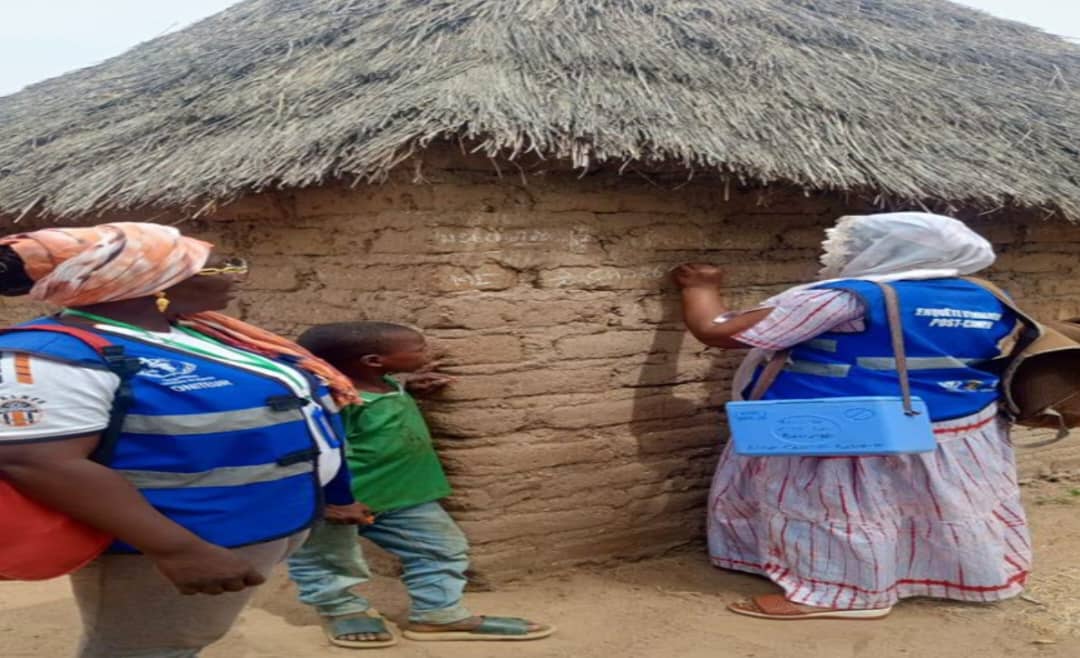
Through November 1, 2026, twenty-five independent monitors and nine supervisors have systematically navigated every neighborhood and community. The operational objective remains unequivocal: zero missed targets. These field agents have verified that every eligible individual is reached, identified missed households, and conducted rapid catch-up administration of the Euvichol-S vaccine, which is provided free of charge, safe, and highly effective. This rigorous methodology underpins a total and equitable vaccination coverage, which is essential to the ultimate success of public health interventions.
Ground-Level Mapping to Eliminate Coverage Gaps
By leaving no one behind, this systematic approach primarily protects the most vulnerable populations—who are often isolated or marginalized—thereby upholding principles of social justice and health inclusion. From a collective
immunity standpoint, particularly during vaccination campaigns or health resource distribution drives, overlooking even a single household can leave a residual reservoir for epidemic resurgence, compromising the immunity of the entire community.
Furthermore, this meticulous verification process allows health authorities to immediately update epidemiological databases and refine mapping tools, thereby enhancing statistical reliability to optimize logistics for future interventions. Taking immediate action through real-time catch-up operations also proves economically strategic, as mobilizing local teams on the spot is far less costly than re-organizing a full-scale campaign following a coverage failure.
Hygiene Practices: The Essential Shield Alongside Vaccination
However, health experts emphasize that vaccination alone should not create a false sense of security among populations, as it serves as a complementary intervention rather than a standalone cure. Alongside immunization, community members must continue to observe basic hygiene protocols, notably consuming safe drinking water, practicing regular handwashing with soap, and ensuring proper food storage to further minimize contamination risks. Additionally, open defecation must be strictly avoided, as it directly contaminates the environment and accelerates the spread of the vibrio cholerae bacteria.
Adopting these environmental hygiene practices in tandem with oral vaccination creates a robust defense mechanism to effectively curb an epidemic that continues to claim lives across the region.