
Designed to boost daily production to 123,000 m³, the Japoma station was the focus of an intensive civic dialogue from October 24 to 30, 2026, aimed at protecting the supply channel from pollution and uncivic behavior.
As Cameroon’s economic capital moves toward a profound transformation of its water landscape, national utility provider Camwater is stepping up efforts to anchor its major infrastructure projects within a framework of civic consultation. From October 24 to 30, 2026, the public enterprise conducted a broad awareness campaign among communities living near the Japoma drinking water production plant. As expansion works near final delivery, this initiative highlights impressive numerical data that reflect the scale of investments committed to securing water supply for Douala residents while safeguarding the integrity of the surrounding river ecosystem.
A Spectacular Capacity Leap for Douala
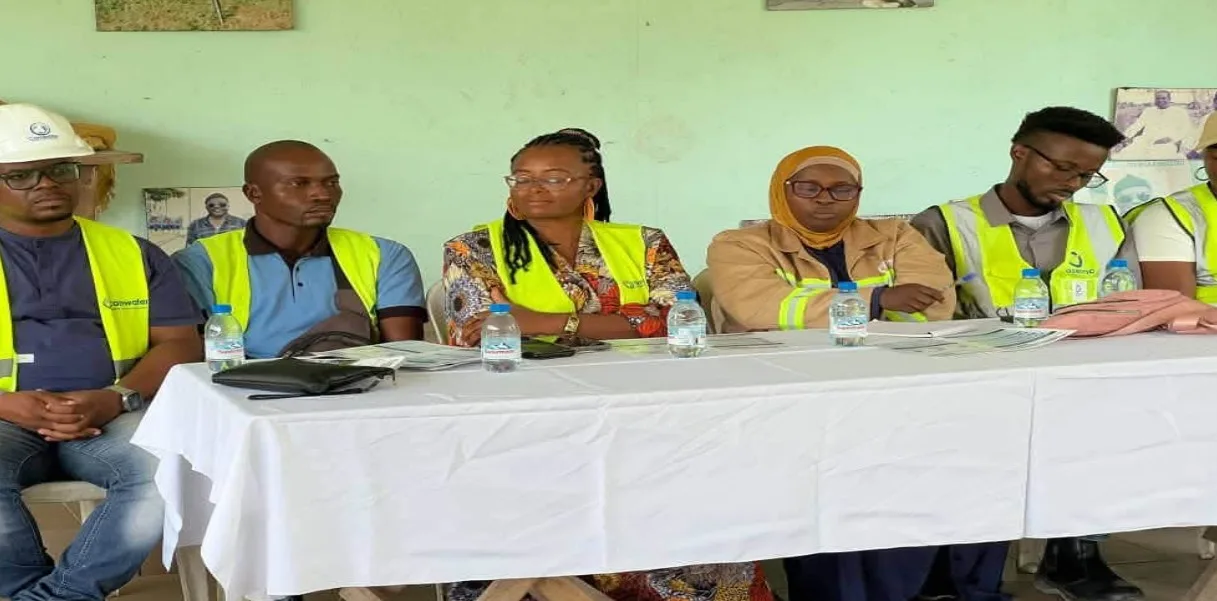
The core of this industrial transformation rests upon a dramatic capacity leap driven by the rehabilitation and expansion project. Originally designed to deliver a volume of 55,000 cubic meters of water per day, the Japoma plant is set to more than double its operational yield, reaching a final capacity of 123,000 cubic meters per day. This significant figure illustrates the clear determination of public authorities and Camwater to sustainably resolve the water deficit in a rapidly expanding metropolis where demand continues to rise. Behind this technical achievement stands an extensive partnership mechanism, uniting Camwater Health, Safety, and Environment experts with teams from Inrigo, the contractor awarded
the works, alongside the monitoring mission overseeing execution quality.
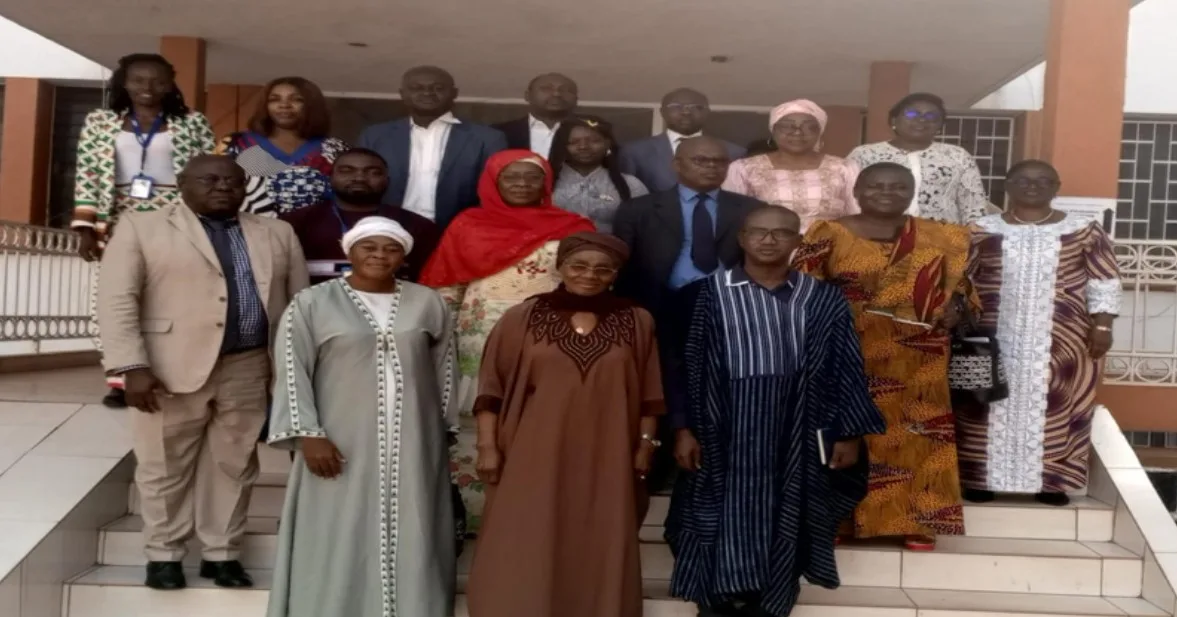
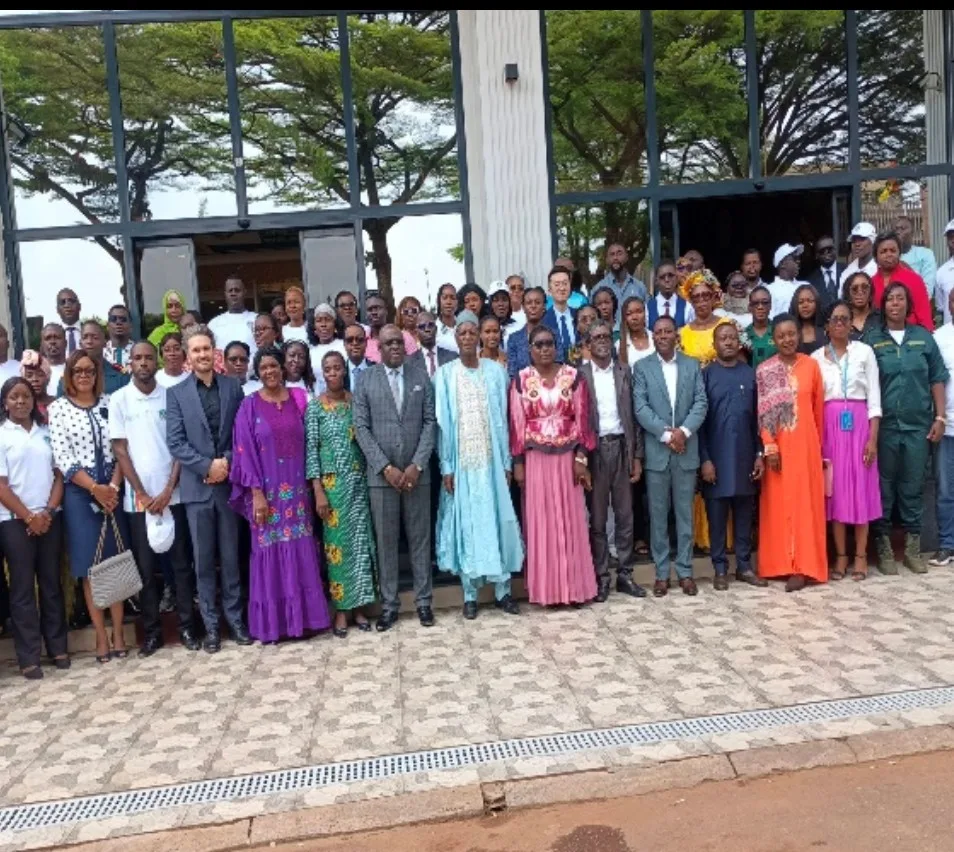
To succeed in this endeavor, the field strategy deployed from October 24 to 30, 2026, required a precise territorial framework marked by four successive stages of direct consultation with traditional authorities and residents. The awareness drive launched at the Japoma Village Chieftaincy before making stops at the Song Mbappi Chieftaincy and the Cité Gare Block Chieftaincy, culminating at the Pavanga Block Chieftaincy. These community meetings mobilized hundreds of local residents around four fundamental environmental and security imperatives necessary for long-term infrastructure sustainability.
Preserving Water Resources and Securing Facilities
The primary quantitative and qualitative challenge lies in protecting water resources within both the drainage channel and the Dibamba River. Discussions highlighted the critical role of the channel feeding pumping unit SP5, which functions as a drainage corridor for fresh water from surrounding streams. This infrastructure plays a vital biochemical role by diluting the salt content of raw water drawn from the Dibamba River.
The second focus area emphasized responsible waste management and pollution prevention to ensure domestic or industrial discharges do not compromise raw water quality. The third pillar addressed the fight against uncontrolled urbanization and illegal constructions encroaching dangerously upon infrastructure surroundings and the channel zone. Finally, the fourth pillar established the urgent need to secure hydraulic assets against illegal land encroachments, water meter thefts, and various fraudulent practices that threaten operations.
By structuring this participatory approach around transparent technical data, Camwater demonstrates that completing major infrastructure projects goes beyond laying pipes and executing civil engineering. It requires an essential human investment to build community awareness, prevent vandalism, and ensure the inviolability of corporate land assets. By closely involving local populations in safeguarding their own health future, the institution establishes a lasting pact of trust where every citizen becomes a guardian of a modernized hydraulic heritage equipped to meet future challenges.