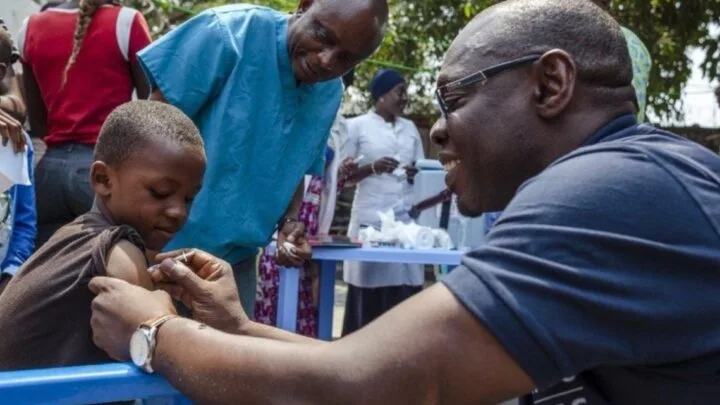

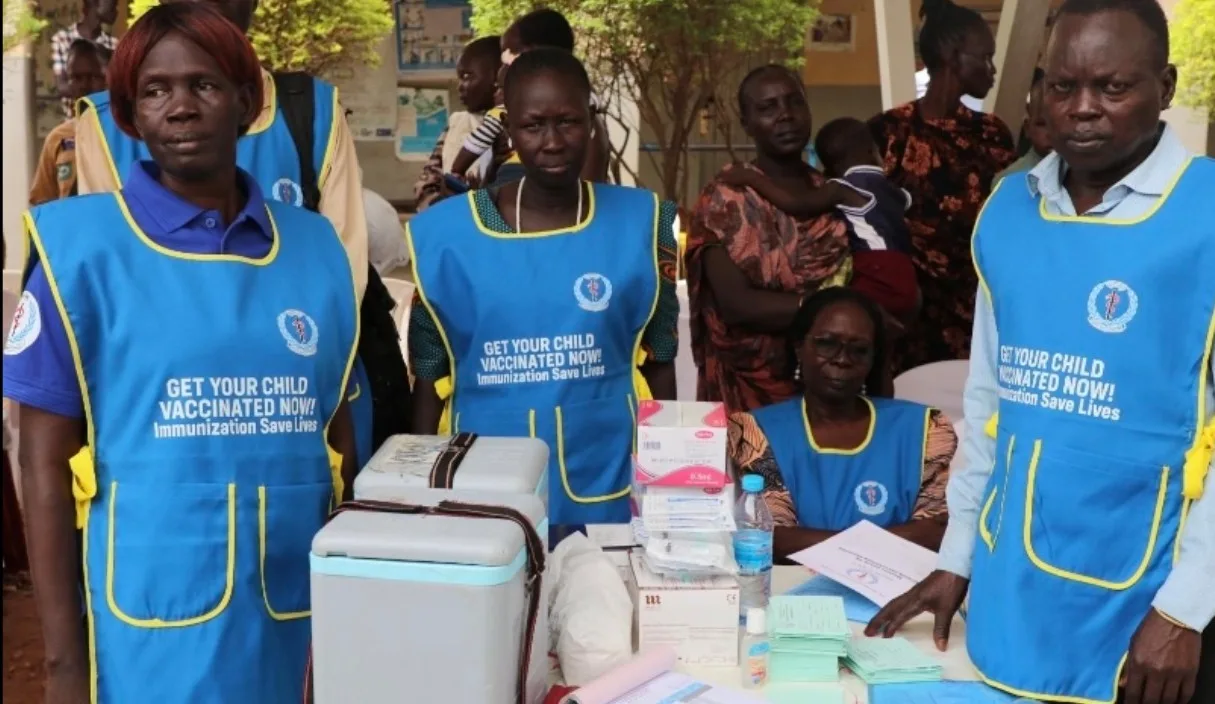
South Sudan has vaccinated more than 3.3 million children during the first round of a nationwide polio campaign targeting 3.9 million children under five. Conducted amid the confirmation of 22 cases of two circulating vaccine-derived poliovirus variants, the initiative faces challenges linked to insecurity, population displacement and access to remote communities.
South Sudan is stepping up efforts to curb poliovirus transmission through a nationwide vaccination campaign targeting 3.9 million children aged between 0 and 59 months. Led by the Ministry of Health with support from the World Health Organization (WHO) and UNICEF, the campaign comes amid the circulation of two variants of poliovirus, raising concerns about the risk of paralysis among unprotected children. A second vaccination round is scheduled for November to strengthen protection and reach children missed during the initial exercise.
Two poliovirus variants raise concern
The country’s response follows the confirmation of 22 cases of circulating vaccine-derived poliovirus (cVDPV), including 18 cases of type 1 and four of type 2, according to figures released on October 30. The simultaneous circulation of the two variants highlights the need to strengthen population immunity, particularly among children who have not received all their recommended vaccine doses.
Unlike wild poliovirus, vaccine-derived polioviruses can emerge when weakened virus strains contained in oral polio vaccines circulate for extended periods among under-immunised populations. In such circumstances, the virus can regain the ability to cause paralysis, making sustained vaccination coverage essential to interrupt transmission.
More than 3.3 million children vaccinated
The first round of the campaign recorded encouraging progress, with more than 3.3 million children vaccinated, representing 84 per cent of the reported target. However, the coverage
figures also point to the need for further efforts to reach children who remain unprotected.
The vaccination activities were conducted using oral vaccines adapted to the circulating poliovirus types. The nOPV2 vaccine targets type 2, while the bivalent oral polio vaccine (bOPV) provides protection against types 1 and 3.
Despite the progress, geographical and operational challenges have affected the pace of implementation. While 73 counties had completed the first round, six were still conducting vaccination activities, and one had yet to begin because of access constraints.
Insecurity and displacement complicate access
Reaching every eligible child remains one of the main challenges facing health teams. Insecurity, population displacement and logistical difficulties continue to complicate vaccination activities, particularly in remote communities and areas hosting displaced populations.
To address these barriers, vaccination teams and community health workers are using door-to-door approaches to reach households and identify children who may have been missed during the first round.
A mother of seven-month-old twins in New Site neighbourhood, Yei Town, benefited from this approach when two female vaccinators visited her home on October 22 to administer the oral polio vaccine to her children. Such household visits illustrate the importance of community-based interventions in reaching families who may otherwise have limited access to routine health services.
Closing immunity gaps remains critical
Although South Sudan was certified free of wild poliovirus in 2020, the current circulation of vaccine-derived variants shows that the country remains vulnerable to polio outbreaks. Maintaining high vaccination coverage is therefore essential to prevent further transmission and protect children against lifelong disability.
The second round scheduled for November is expected to build on the progress made during the initial campaign, with particular attention to communities that were difficult to reach. For health authorities and their partners, the priority remains to close existing immunity gaps and ensure that no child is left unprotected because of insecurity, displacement or geographical isolation.