
Thanks to its carbohydrate content and its richness in polyunsaturated fatty acids and antioxidants, it presents an interesting nutritional profile for people with diabetes.
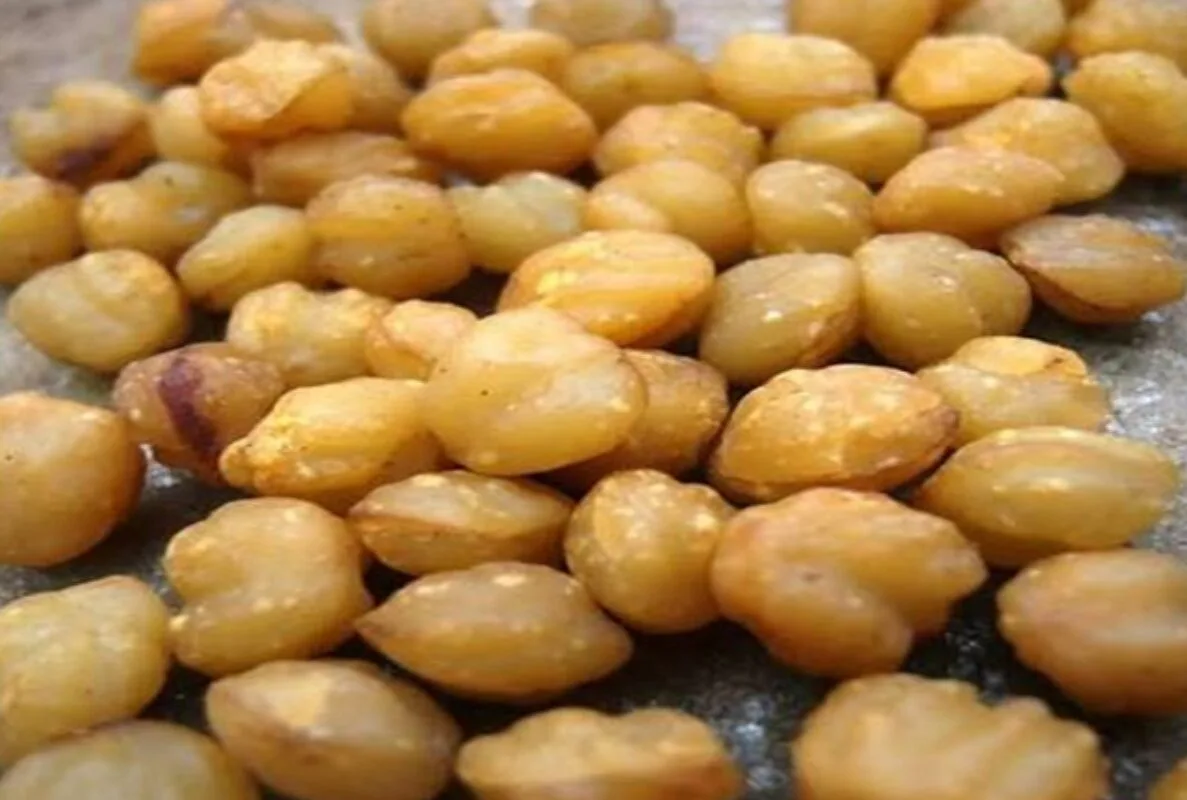
Djansang, also called « akpi, » comes from the tree Ricinodendron heudelotii. Present across Africa, particularly in Central Africa, it is highly prized in cooking for its nutritional virtues. In traditional medicine, this nutritional profile proves interesting for people with diabetes, according to traditherapeutists.
Djansang integrates easily into a diabetes-adapted diet thanks to its natural composition. The primary property of djansang for people with diabetes lies in its richness in hypoglycemic properties. Composed of approximately 21% protein, the seed promotes satiety and slows down the overall digestion of the meal, which helps stabilize blood sugar levels after eating.
Being almost devoid of sugars and simple carbohydrates, the seed allows cooks to flavor and thicken sauces (such as ndolé or bouillons) without causing a glycemic spike, advantageously replacing starch-rich thickeners. Rich in vitamin E and phenolic compounds, djansang helps fight against oxidative stress—a frequent phenomenon in people with diabetes that damages cells and blood vessels.
Beyond hypoglycemic properties
Beyond blood sugar, diabetes is a complex condition that weakens the entire cardiovascular and renal system. People with diabetes face an increased risk of heart disease. According to analyses published in the scientific journal Oilseeds and fats, Crops and Lipids (OCL), djansang oil contains approximately 95% polyunsaturated fatty acids and phytosterols. These good lipids help regulate cholesterol and protect arteries. To benefit from them, traditional practitioners recommend consuming the seed cooked and in normal quantities as a spice for meals.
However, it is important to remember that these effects have been observed only in laboratories using concentrated extracts. Djansang remains a food condiment that accompanies people with diabetes in their management plan to avoid starch-rich thickeners and can by no means replace medical treatment or insulin.
Precautions for Use
Although the seed does not raise blood sugar, its lipid-rich profile and active compounds impose precise limits depending on health status, according to research. Djansang is an oilseed very rich in fats (nearly 47% fat content) and is therefore caloric. Moderate consumption as a spice in dishes is sufficient to avoid weight gain, an aggravating factor for type 2 diabetes. To preserve its essential fatty acids and antioxidants, it is preferable to incorporate roasted and ground djansang paste near the end of sauce cooking. If you take hypoglycemic medications and plan to consume djansang, talk to your doctor to avoid any risk of hypoglycemia.
In short, between ancestral culinary tradition and science, djansang thus asserts itself as a powerful natural ally for managing diabetes on a daily basis.