
Thanks to its richness in fiber and polyphenols, it slows down the digestion of carbohydrates and the absorption of glucose into the blood, thus preventing glycemic spikes after meals.
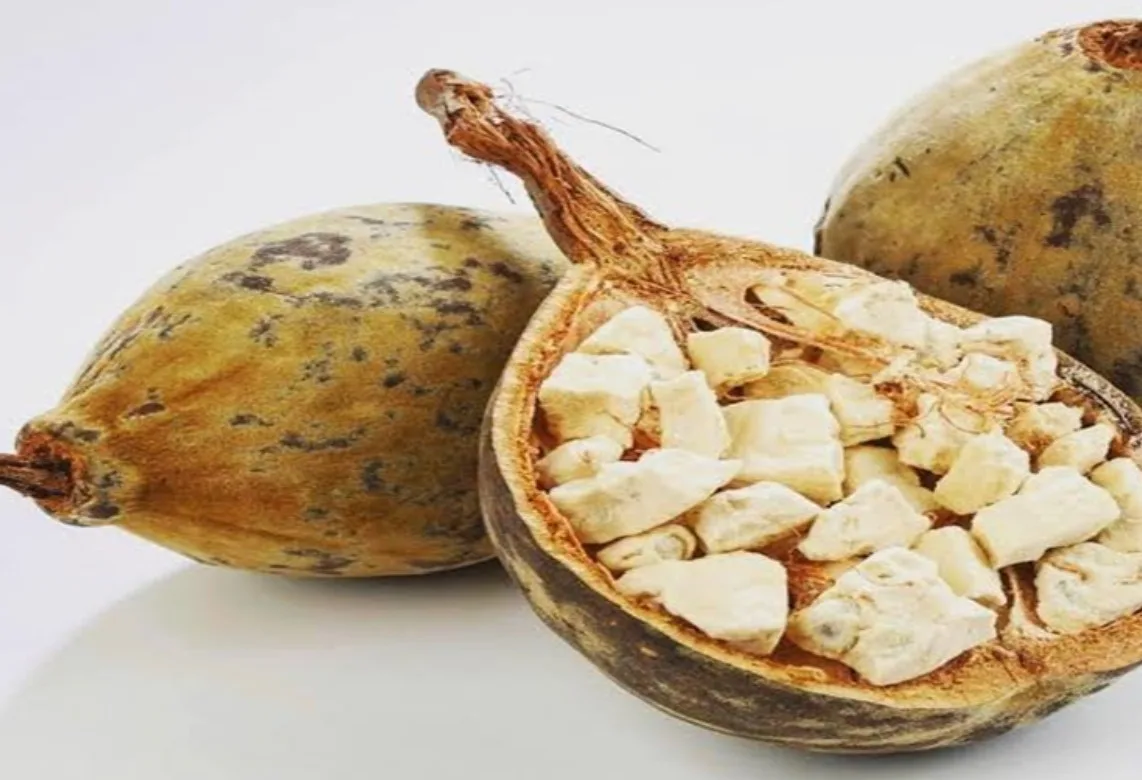
The baobab, scientifically known as Adansonia digitata, is a fruit whose pulp is very rich in soluble fiber. As non-communicable diseases continue to rise globally, this fruit is increasingly sought after as a natural solution to help regulate blood sugar levels.
The primary virtue of baobab for people with diabetes lies in its hypoglycemic properties. According to experts, rich in soluble fiber and polyphenols, these compounds work in several ways to help the body maintain stable blood sugar levels. They slow down the digestion of carbohydrates and prevent post-meal blood sugar spikes while promoting satiety to assist with weight management for individuals with type 2 diabetes or prediabetes.
The polyphenols present in baobab help reduce starch breakdown and the conversion of carbohydrates into sugar. Baobab also has a low glycemic index, making it compatible with a diabetes-friendly diet. Moreover, experts note that for type 1 diabetes, baobab serves as a valuable low-glycemic nutritional support that helps smooth out blood sugar curves. Studies
even suggest it may help reduce the amount of insulin required to keep blood sugar under control.
Beyond blood sugar control, diabetes is a complex condition that weakens the cardiovascular and renal systems. Baobab offers a comprehensive approach through its multiple secondary properties. By participating in the regulation of metabolic syndrome and cholesterol, it helps limit the cardiovascular risks frequently associated with diabetes.
However, because it slows down the absorption of sugars from meals, it requires careful blood sugar monitoring to prevent fast-acting insulin from acting too quickly and causing hypoglycemia. Regardless of the type of diabetes, baobab is merely a dietary supplement and can never replace medical treatment, which is why it is important to seek a doctor’s advice before consuming it regularly.
Usage Instructions
To reap the benefits of this nutritious fruit, the preparation method is very simple, as Armand, a phytotherapist, explains: « You can mix a teaspoon or tablespoon of baobab powder into a glass of water, a yogurt, or a smoothie. »
In short, baobab embodies a harmonious bridge between ancestral knowledge and modern health, offering people with diabetes precious support to live better every day. So consult your attending physician and enjoy all these nutritional benefits.