
An estimated 17.9 million adults living with diabetes in the International Diabetes Federation’s African Region were undiagnosed in 2024. As the disease continues to affect millions, limited access to screening and treatment raises concerns about early detection and the capacity of health systems to respond.
Nearly three out of every four adults living with diabetes in Africa do not know they have the disease. Behind this alarming proportion are millions of people who remain outside the healthcare system, potentially missing opportunities for early treatment and the prevention of serious complications.
According to the International Diabetes Federation (IDF), approximately 17.9 million adults were living with undiagnosed diabetes in its African Region in 2024, representing 72.6 per cent of the estimated 24.6 million adults affected. The figures, highlighted around World Diabetes Day on November 14, 2026, expose a major gap in the detection and management of the disease across the continent.
A growing burden on health systems
The scale of the challenge extends beyond undiagnosed cases. The IDF estimates that diabetes was responsible for approximately 216,000 deaths in the region in 2024. The situation could become even more concerning in the coming decades, with the number of adults living with the condition projected to reach 59.5 million by 2050, representing an increase of 142 per cent.
Such projections raise questions about the preparedness of African health systems to manage a disease requiring continuous monitoring, medication and long-term medical follow-up.
The high proportion of undiagnosed cases also reflects persistent difficulties in accessing screening services. Limited awareness, financial constraints and unequal access to healthcare facilities can delay consultations, particularly among populations with limited resources.
Since type 2 diabetes can develop without obvious symptoms, some patients may only discover their condition after complications have emerged.
Cameroon faces a similar challenge
The situation is also reflected in Cameroon, where the IDF estimated that approximately 774,200 adults were living with diabetes in 2024. An estimated 73.1 per cent of these cases remained undiagnosed, while diabetes-related deaths were estimated at 5,440.
These figures highlight the importance of improving access to blood glucose testing and other diagnostic services. For patients already diagnosed, the cost of regular examinations, the availability of insulin and other medicines, as well as continuity of medical follow-up remain important aspects of diabetes management.
Late diagnosis can have serious consequences. Persistently elevated blood glucose levels can damage blood vessels and nerves, increasing the risk of cardiovascular disease, kidney failure, vision loss and lower-limb complications. Early detection therefore provides an opportunity to initiate treatment and reduce the risk of these outcomes.
Primary healthcare at the centre of the response
To address these challenges, the World Health Organization’s Regional Office for Africa is calling for stronger early detection, improved access to essential medicines and better integration of diabetes services into primary healthcare.
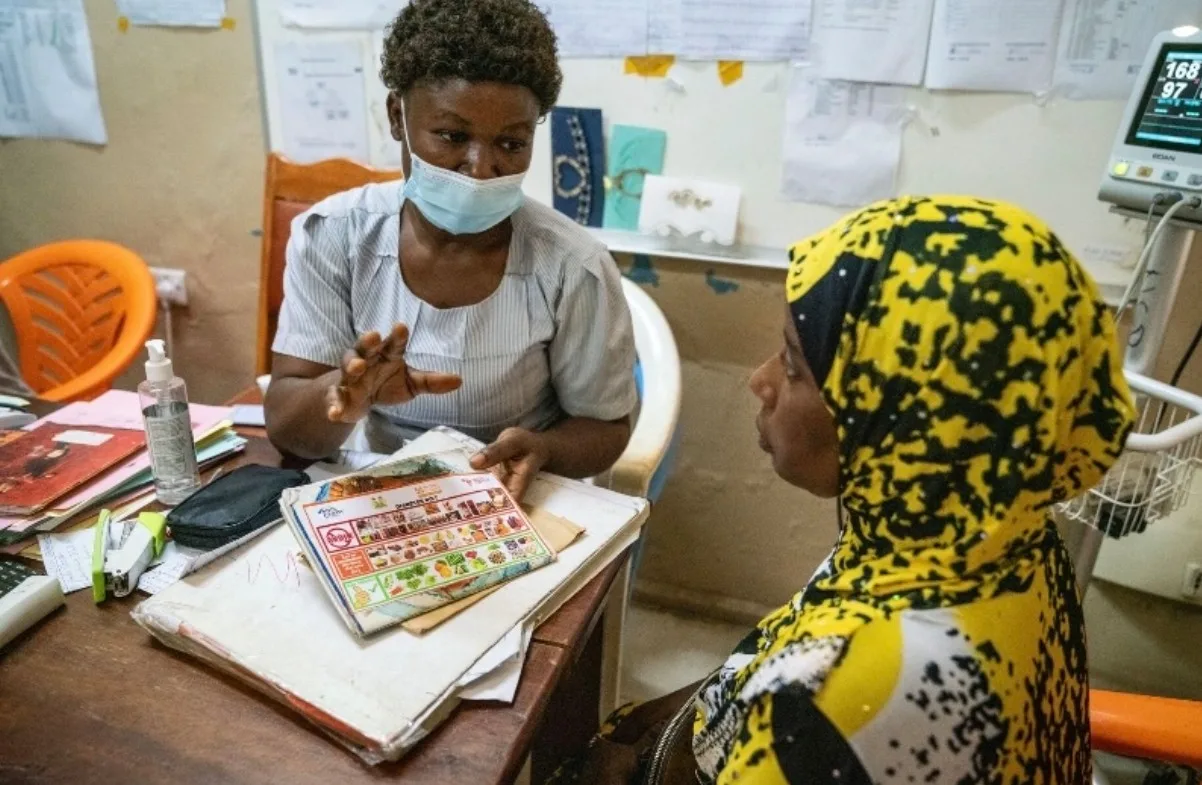
Strengthening screening at the first point of contact with the health system could help identify people who are unaware of their condition and facilitate their referral for appropriate care. Improving the affordability of diagnostic tests and ensuring a reliable supply of essential medicines are equally important to prevent patients from interrupting treatment.
With millions of adults still unaware that they have diabetes, the challenge for African health systems goes beyond treating diagnosed patients. It also lies in reaching those who have yet to discover their condition. For many of them, access to a simple screening test could be the first step towards avoiding complications and securing a longer, healthier life.