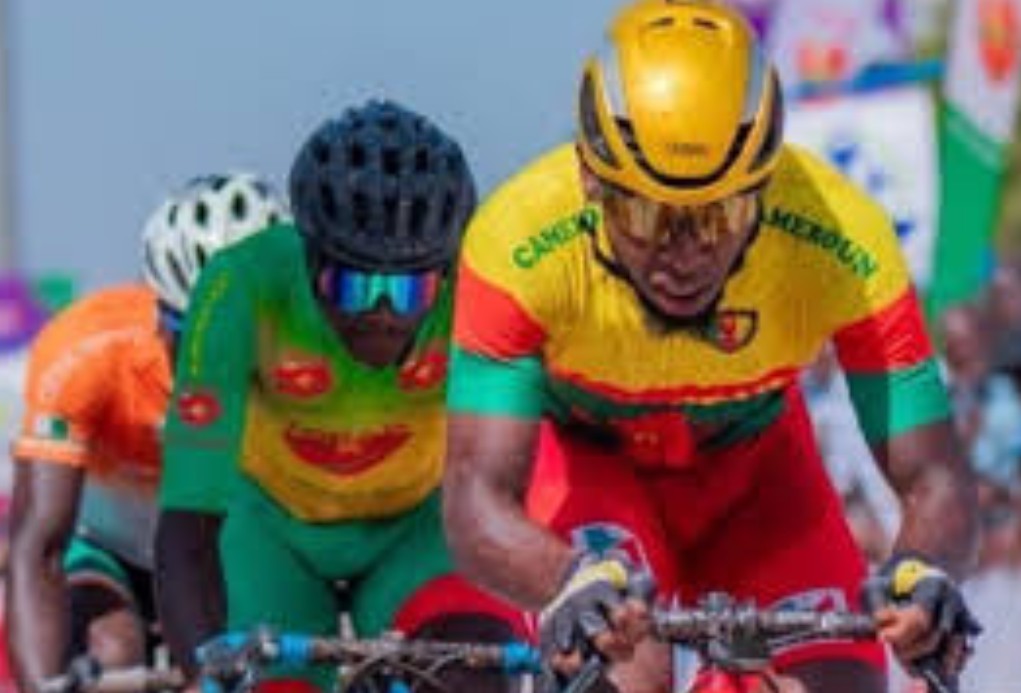
As the peloton sets off on the country’s winding and demanding roads, the sporting performances sometimes overshadow a monumental challenge behind the scenes: health management. Between heat waves, infectious risks, and emergency trauma care, the Tour of Cameroon is as much a physical ordeal for the athletes as it is a medical tour de force for the organizers.
Running in temperatures sometimes approaching 38°C with stifling humidity is no small feat. In Cameroon, the climate varies dramatically from one region to another, from the plains of the Far North to the rugged terrain of the West, putting the riders’ bodies to the test. The primary challenge is therefore climatic: without a meticulously planned hydration strategy, heatstroke or malignant hyperthermia is a constant threat to every rider. The medical teams of the Cameroonian Cycling Federation remind everyone that an athlete can lose up to four liters of water per stage. The distribution of water bottles and the presence of support vehicles providing refreshments are therefore as crucial to the riders’ survival as choosing the right gears for victory.
Emergency trauma: facing the peril of a crash
Road cycling is a high-speed sport where the slightest pebble or pothole can transform a section of asphalt into an ice rink, making the risk of an accident constant. Mass crashes, the bane of sports directors, demand an absolute responsiveness from emergency services. This is why a complete medical caravan follows the peloton in real time, including fully equipped ambulances for intensive care, motorcycle rescuers to move through the crowds, and emergency physicians. The challenge is to be able to stabilize a seriously injured person suffering from head trauma or open fractures directly on the roadside, while ensuring their rapid evacuation to the designated hospitals requisitioned along the route.
Immunity put to the test: Malaria and food hygiene
For international runners, particularly European delegations, traveling to sub-Saharan Africa requires strict health vigilance beforehand, where malaria remains the number one invisible threat. Prophylactic treatments are rigorously prescribed, but their digestive side effects must be managed to avoid impairing performance. Furthermore, gastrointestinal infections or food poisoning can wipe out a team’s chances in just 24 hours. Sports nutrition during a tour requires strict control of cold chains, food preparation, and water potability a behind-the-scenes task
overseen by medical staff in close collaboration with host hotels to ensure the safety of more than 50 healthcare professionals mobilized daily.
Anti-doping: preserving ethics and health
The overall health of athletes cannot be discussed without addressing the preservation of their physical integrity in the face of performance-enhancing drugs and cheating. The Tour of Cameroon, on the Union Cycliste Internationale (UCI) calendar, adheres to global anti-doping standards by scheduling unannounced tests at the finish of each stage. Beyond sporting ethics, the primary concern is public health, as the use of performance-enhancing substances in extreme heat significantly increases the risk of fatal cardiovascular events. Ultimately, this competition is a fantastic showcase demonstrating the country’s ability to deploy top-level medical logistics to ensure a successful event from start to finish.
Junior NTEPPE KA