As the French Open reaches its peak, attention naturally focuses on the beauty of the rallies and the fervor of the stands. Yet, behind the scenes, another reality unfolds: the dramatic impact of the intensity of the game on the athletes’ health.
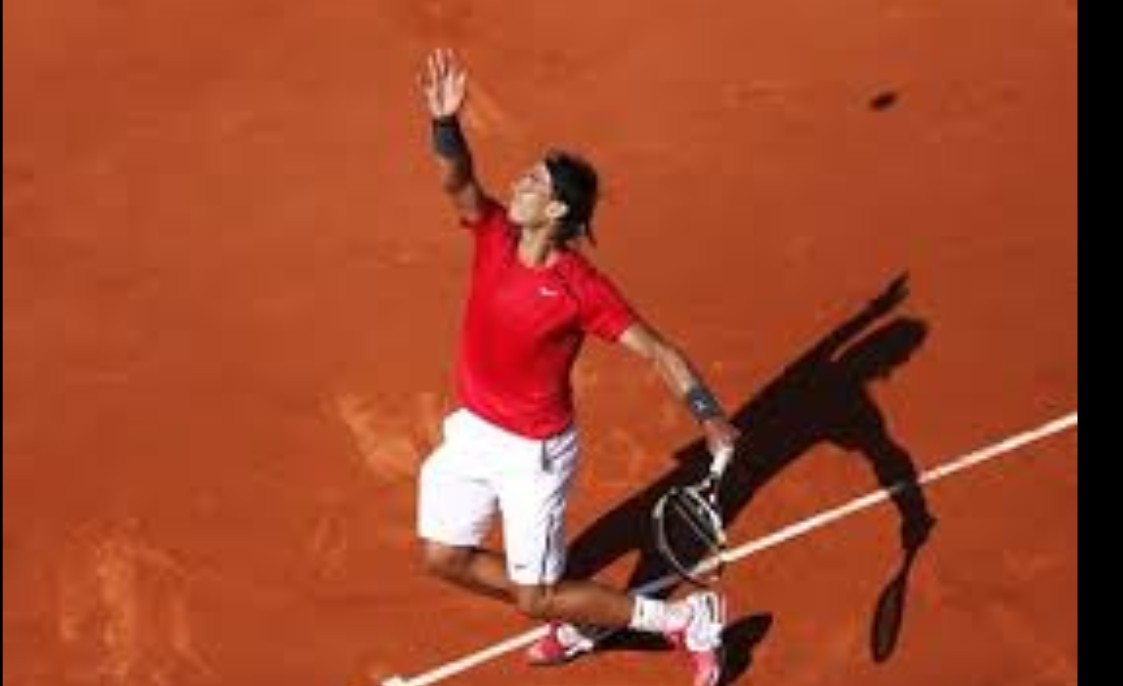
At Roland-Garros, more than anywhere else, modern tennis pushes the limits of human endurance, transforming the tournament into a true test of physical survival. The ochre surface of Porte d’Auteuil has a unique characteristic: it slows the ball and prolongs rallies. Unlike grass or hard courts, where points are often decided in just a few shots, clay demands endless rallies. For the body, this translates into an exhausting repetition of lateral movements, controlled slides, and sudden, forceful changes of direction.
This season, the increasing number of marathon matches regularly approaching or exceeding four hours of play highlights a worrying phenomenon of physical exhaustion. Joints, particularly knees and ankles, as well as the lower back, are subjected to extreme shear forces.
The vicious cycle of the schedule and fatigue
The problem lies not only in a single match, but in the relentless demands of best-of-five-set matches for men. With an increasingly packed ATP and WTA calendar leading up to the French Open, players often arrive in Paris with their physical reserves already depleted. During an intense rally on clay, a player can change direction up to 40 times per minute, multiplying the risk of micro-tears in the muscles.
Accumulated fatigue impairs mental clarity and technical precision. When muscles weaken, tendons and ligaments compensate. It is precisely at this time that the risk of acute injury (tear, sprain) or chronic injury (tendinopathy) skyrockets. Furthermore, the density of matches disrupts sleep and nutritional recovery cycles, leaving athletes’ immune systems in a state of constant vulnerability.
Urgent need for awareness
Faced with grueling schedules and ultra-demanding game formats, the circuit’s medical staff are sounding the alarm. While athletic performance has never been higher, the human cost is becoming exorbitant. To preserve the physical integrity of the world’s elite and maintain the spectacle, a fundamental reflection on lightening the calendar and optimizing rest periods between matches is more crucial than ever. Roland-Garros must remain the temple of excellence, not of exhaustion.
Junior NTEPPE KASSI