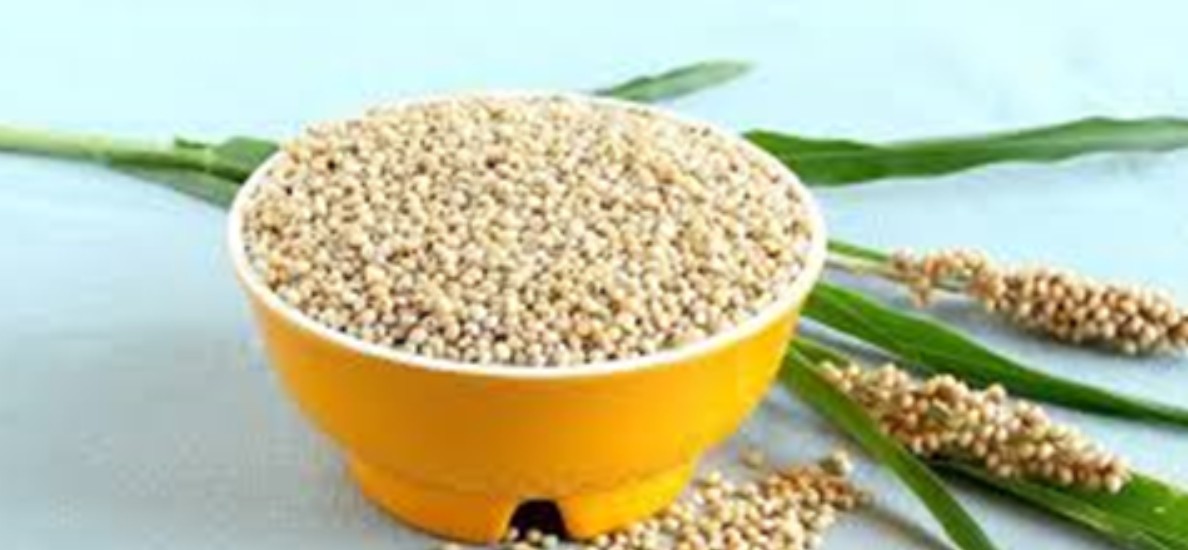
It helps manage blood sugar levels.
Sorghum, a cereal that helps lower blood sugar
Faced with the explosive increase in type 2 diabetes cases across the continent, the search for local, therapeutic food alternatives has become a public health emergency. While refined and imported products saturate our tables, an ancient cereal is emerging from the shadows to establish itself as the ultimate weapon for diabetics: sorghum. Known as « gros mil » in Central Africa, « mil du fou » in Burkina Faso, this ancestral grain hides beneath its compact panicle biochemical virtues capable of revolutionising blood sugar management.
The secret of glycaemic index
For a diabetic patient, every meal is a constant calculation to avoid the blood sugar spike – that brutal rise in blood sugar that damages blood vessels and fatigues the pancreas. It is precisely here that sorghum intervenes as an unmatched regulator. Unlike refined wheat flours or white rice, sorghum has a low to moderate glycaemic index. This unique property means that the carbohydrates it contains are digested slowly by the body. Glucose is released gradually and diffused into the bloodstream, providing constant energy without excessively taxing insulin
production. Moreover, its remarkable richness in soluble and insoluble dietary fibres further slows sugar absorption at the intestinal barrier, while durably prolonging the feeling of fullness. « Sorghum is a nutritional goldmine that far surpasses conventional Western cereals, » explains Thomas, a naturopath. According to the expert, beyond its direct action on sugar, sorghum offers exceptional nutritional density: it is a major source of complete plant proteins (including essential amino acids) and contains strictly no gluten. This absence of gluten makes it perfectly digestible for people suffering from coeliac disease or intestinal hypersensitivity. Sorghum fibres also play a dual role in helping to lower blood cholesterol, a cardiovascular condition frequently associated with diabetes.
Precautions and traditional uses
To optimally incorporate sorghum into a diabetic patient’s diet, a few rules apply: sorghum flour, preferably from whole grains, can be used alone or in a mixture to prepare sugar-free morning porridges, galettes, local couscous or whole-grain breads. A long, sufficient cooking time is required to soften the fibres and avoid bloating. It is crucial to choose food-grade sorghum grain (a small annual plant) and not fodder sorghum, which is exclusively reserved for animals. Furthermore, preference should be given to varieties moderate in tannins to optimise the body’s iron absorption. Faced with the standardisation of global junk food, sorghum alone embodies the resilience of traditional medicine through diet. This ecological cereal, resistant to harsh climates and naturally protective, reminds us that the solution to modern diseases is often hidden in the forgotten crops of our ancestors. For diabetics, reintegrating « gros mil » into the daily plate is not a step backward, but a giant leap towards regained health autonomy. Healing your metabolism begins with honouring our biodiversity and relearning to trust the therapeutic treasures of our own soil.
Audray NDENGUE