Faced with the physical demands of elite football, ANAFOOT places health at the heart of its strategy. From rigorous cardiac assessments and individualized nutritional monitoring to the psychological balance of the Sport-Studies program, the Cameroonian academy deploys a cutting-edge medical system to ensure the growth and performance of its young talents.
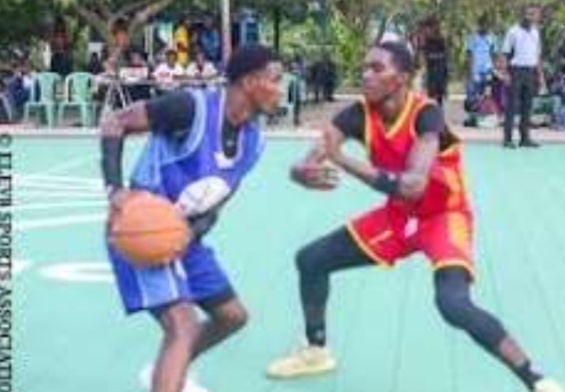
During a regional training center tournament in Yaoundé.
Training the elite of tomorrow’s Cameroonian football is no longer simply about lining up cones on a pitch. At the National Football Academy (ANAFOOT), the national ambition to develop the future Indomitable Lions and Lionesses now rests on a strict equation: athletic performance is inseparable from top-level medical care. In a sporting environment where early detection and training intensity are accelerating, the institution’s sports medicine department has become the true guarantor of the growth and physical well-being of its young players.
A preventative shield from the moment they enter the academy
Upon their admission to the various regional centers, U15 and U17 athletes undergo a rigorous health screening process. The days when a simple medical certificate granted access to the pitch are over. ANAFOOT applies a strict fitness protocol. Each young player undergoes a complete blood test, along with cardiological examinations including electrocardiograms (ECGs). The objective is clear: to identify asymptomatic heart conditions or congenital anomalies before the intensity of high-performance training becomes a risk factor.
This cardiovascular and clinical monitoring is complemented by an anthropometric and postural assessment. The academy’s physiotherapists study the young players’ posture, balance, and flexibility. This physical mapping helps detect emerging muscle imbalances, thus preventing the early onset of pubalgia or overuse syndromes (such as Osgood-Schlatter disease, common in young footballers during growth spurts).
Injury management and « invisible training »
The residents’ daily lives are structured by constant paramedical monitoring. On the field, immediate treatment of injuries (sprains, muscle injuries, concussions) is provided by dedicated medical staff. But beyond curative care, it is education in « invisible training » that transforms these teenagers into professional athletes. Nutrition and hydration are individually monitored. In the dining halls of training centers, menus are carefully designed to meet the physiological needs of active
growth combined with a daily energy expenditure of more than two hours of training. Protein, complex carbohydrate, and micronutrient intake is calculated to optimize tissue regeneration. Furthermore, medical teams emphasize biological recovery: strict sleep schedules are enforced, as rest remains the primary factor in muscle repair and preventing overexertion.
An essential psycho-social balance
Modern medicine no longer separates the body from the mind. Aware of the mental burden of the dual « Sport-Studies » program, ANAFOOT integrates a psychological dimension into its medical care. Separation from family, the pressure of competition, and the fear of injury are major stressors for these young athletes.
Sports psychologists regularly work with the residents to strengthen their self-esteem and provide them with a safe space to talk. This comprehensive support helps prevent sports burnout and maintain healthy mental well-being. By safeguarding education and psychological well-being, the academy ensures that psychological trauma does not translate into physical strain on the pitch.
At a time when modern football demands exceptional athletic qualities from a very young age, ANAFOOT demonstrates that protecting children’s health remains the greatest tactical victory. It’s a model of holistic care that secures the future of young people, whether they’re on the field or not.