As Africa continues to bear the largest share of the global HIV burden, UN Secretary-General António Guterres is urging governments and partners to strengthen political commitment, protect funding, and expand access to lifesaving HIV services to keep the world on track to end AIDS by 2030.
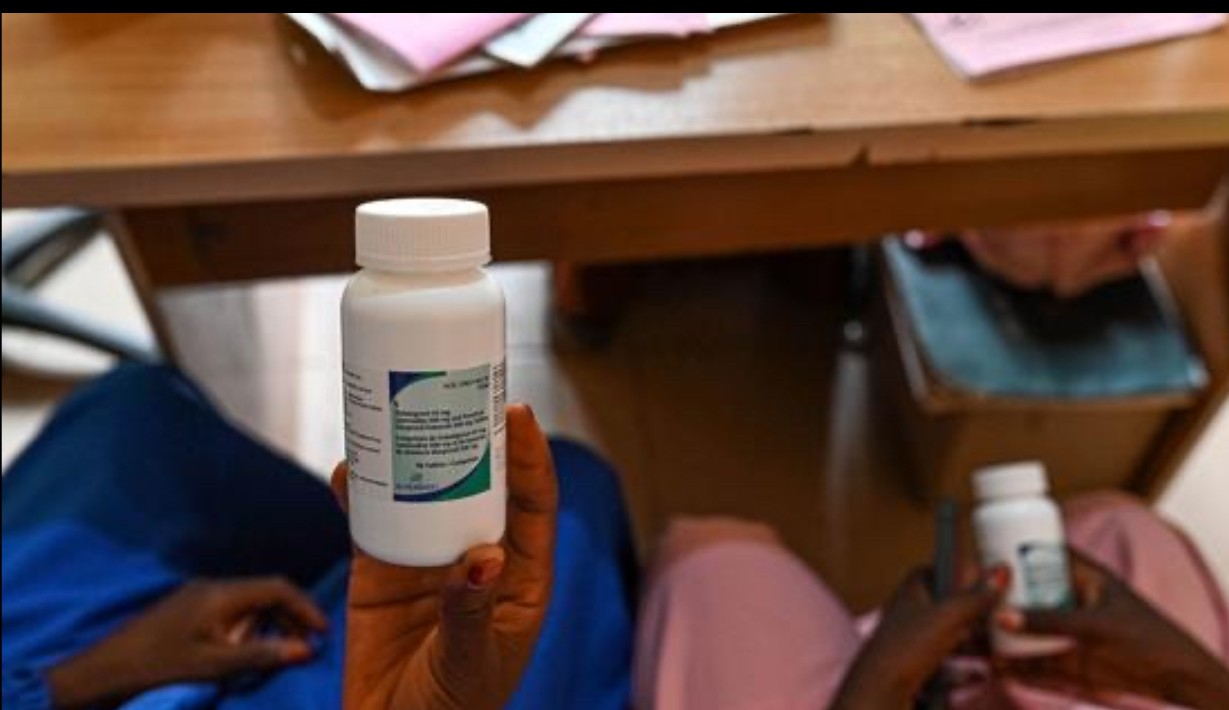
Women receive antiretroviral treatment for HIV at a clinic in Kaduna State, Nigeria.
United Nations Secretary-General António Guterres has called on the international community to strengthen its political commitment and accelerate efforts to end the HIV/AIDS pandemic, stressing that sustained action is essential to achieve the global target of ending AIDS as a public health threat by 2030.
Speaking at the United Nations General Assembly High-Level Meeting on HIV/AIDS on June 22, Guterres described the gathering as a crucial opportunity for countries to identify solutions, renew political commitments, and address the challenges that continue to hinder progress against the epidemic.
His appeal comes at a critical time for Africa, which remains the region most affected by HIV despite significant gains in prevention, treatment, and care over the past two decades. Home to the majority of people living with HIV worldwide, the continent has played a central role in demonstrating how political leadership, community engagement, and international partnerships can drive progress against the disease.
According to the UN chief, the world has shown remarkable solidarity and determination since the first AIDS cases were reported 45 years ago. These efforts have produced substantial results. AIDS-related deaths have fallen by 70 percent from their peak in 2004 and by 54 percent since 2010, thanks largely to expanded access to treatment and stronger health systems.
At the same time, HIV prevention and treatment programs have contributed to a 40
percent reduction in new infections globally since 2010. Today, more than 32 million people living with HIV have access to antiretroviral therapy (ART), enabling them to live longer and healthier lives.
However, Guterres warned that the fight against HIV/AIDS is far from over. By the end of 2024, an estimated 9.2 million people worldwide were still unable to access essential HIV services and treatment. Many of them live in low- and middle-income countries, including several African nations where health systems continue to face financial and operational challenges.
To keep the world on track toward the 2030 target, the UN Secretary-General outlined five priority areas for action. These include reducing inequalities in access to prevention, treatment, and care services; strengthening the leadership role of communities in the HIV response; protecting human rights; ensuring sustainable financing; and revitalizing multilateral cooperation.
For Africa, these priorities are particularly relevant as countries seek to sustain progress amid shifting donor funding landscapes and growing demands on national health systems.
Guterres emphasized that the global response to HIV/AIDS has shown that cross-border solidarity and collaboration can overcome fear, inequality, and injustice. He urged governments, civil society organizations, health professionals, and development partners to remain united around science, human dignity, shared responsibility, and international cooperation to achieve an AIDS-free future by 2030.