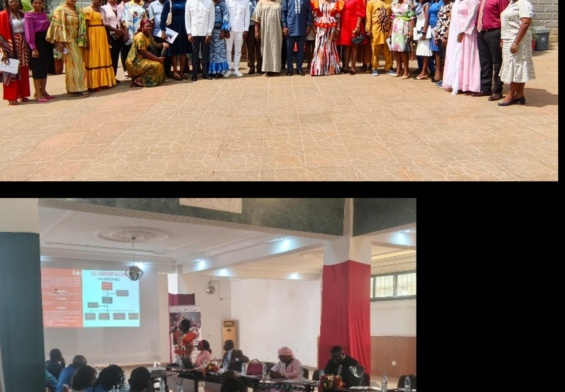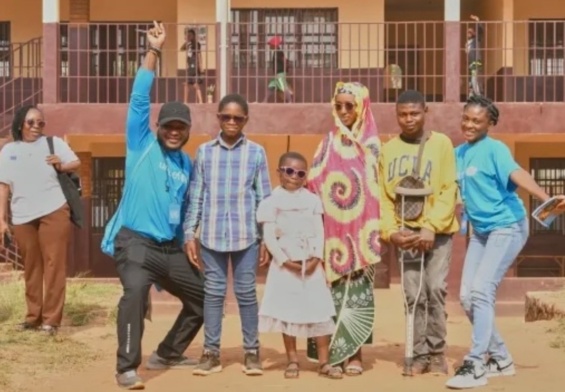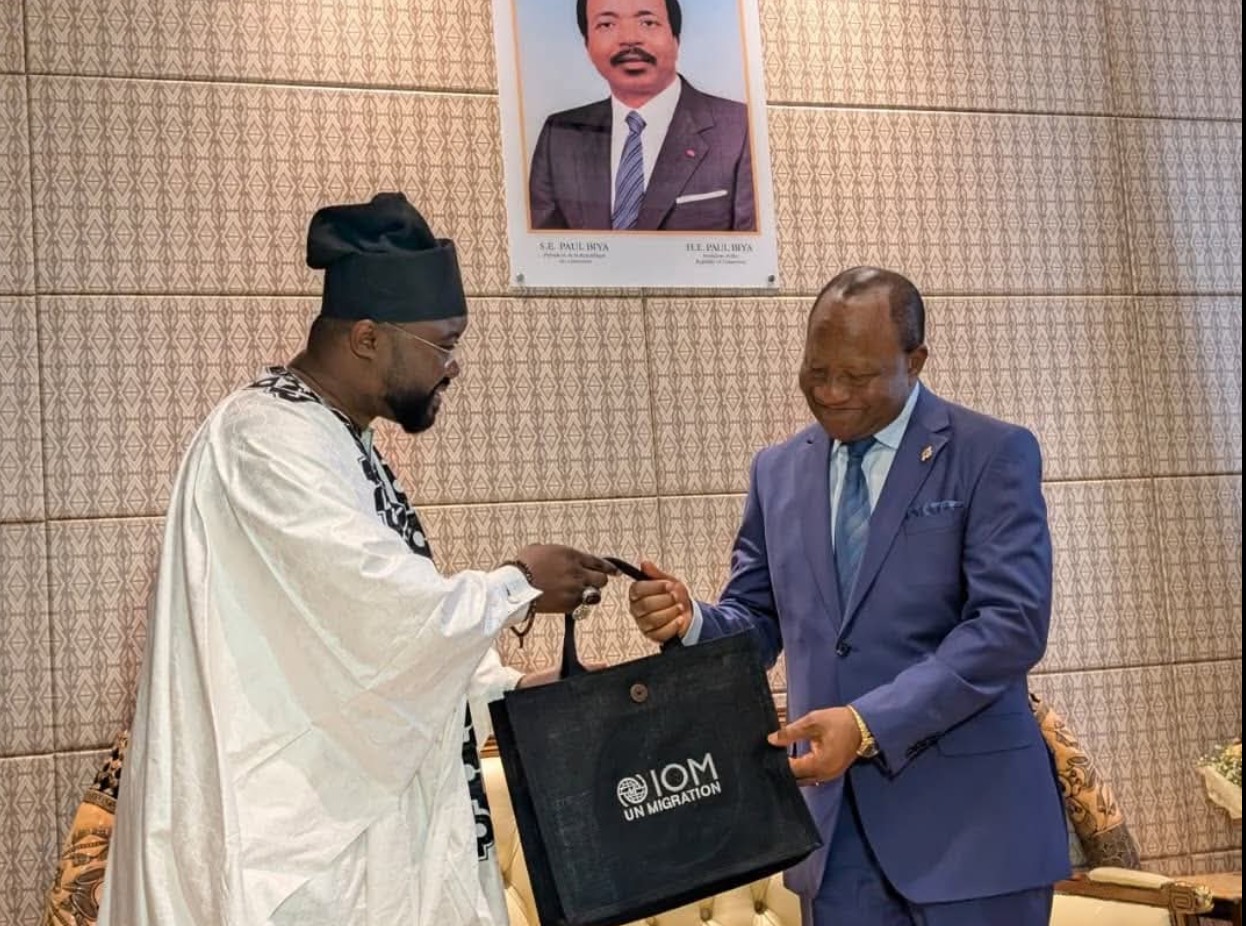
In Yaoundé, the health of migrants is at the heart of the parliamentary debate on the occasion of the International Day of Parliamentarism.
Celebrated this year under the theme « Putting Human Rights First, » the International Day of Parliamentarism provided an opportunity for the International Organization for Migration (IOM) in Cameroon to commend the commitment of national elected officials to migration governance that respects human dignity. This dignity, first and foremost, depends on access to healthcare.
Because behind every migration journey lies a health reality that is often precarious: physical exhaustion, exposure to disease, disruption of medical care, and limited access to healthcare facilities. For populations on the move in Cameroon, whether they are in transit, displaced, or resettled, health remains one of the most vulnerable human rights.
It is in this context that the dialogue maintained by the IOM with the Senate and the National Assembly takes on its full meaning. Cameroonian parliamentarians were directly involved in the development of the National Migration Policy as well as in the implementation of the Global Compact for Safe, Orderly and Regular Migration, a UN framework that explicitly places access to essential services, including health, among its priorities.
This legislative initiative aims to translate a simple requirement into concrete policies: no human mobility should come at the expense of people’s health or dignity. In a country facing internal displacement linked to security crises, particularly in the Far North, Northwest, and Southwest regions, this link between human rights, health, and migration governance becomes a public health issue in its own right.
For the IOM, the commitment of Cameroonian parliamentarians must now be extended by actions on the ground: strengthening access to care for migrant populations, integrating health issues into local migration policies, and rigorously monitoring the implementation of commitments made.