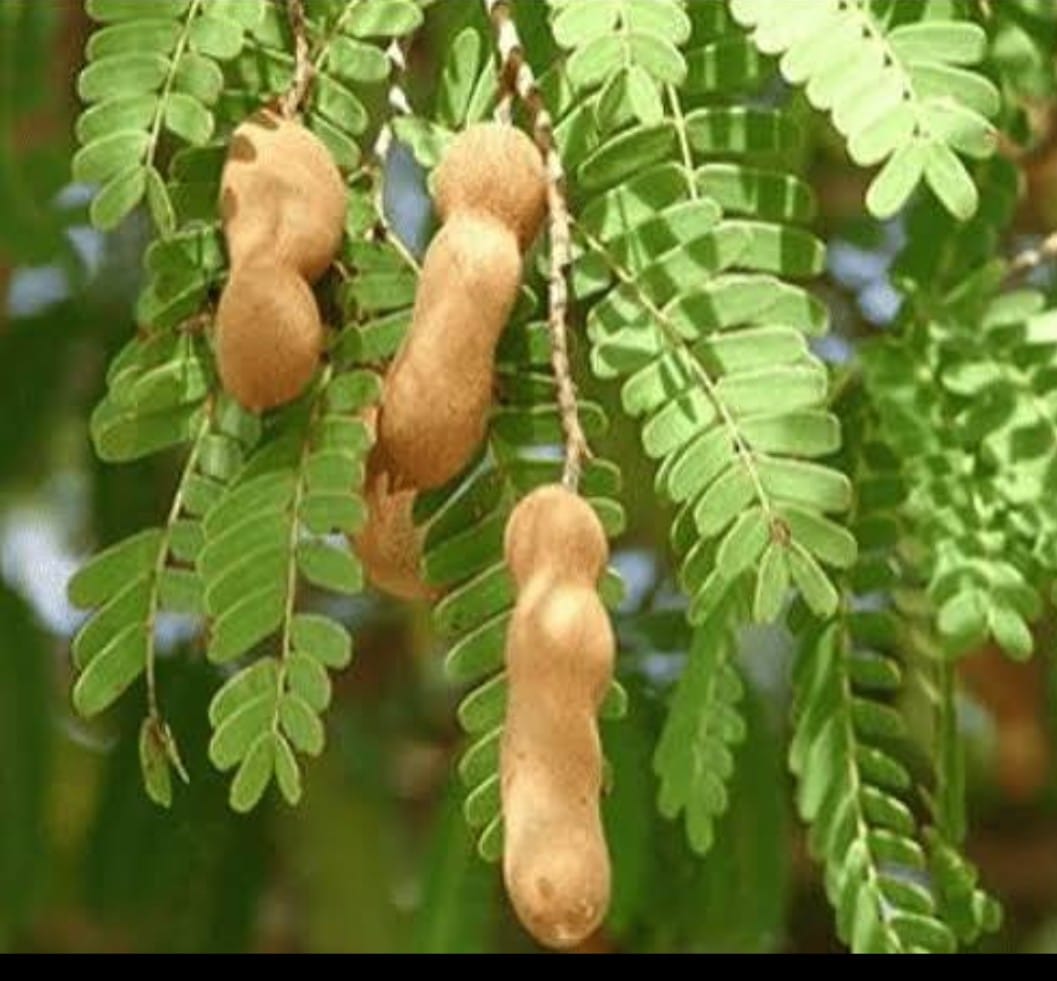
They work effectively to regulate intestinal transit, soothe bloating and calm stomach aches.
The tamarind tree is a plant known for its tangy tamarind fruit. Used in many recipes, the tamarind tree (Tamarindus indica) offers many other benefits. Its leaves, cornerstones of traditional medicine in both Africa and Asia, are true health allies. Endowed with antioxidant, anti-inflammatory, and antiseptic properties, they stand out as a natural solution for relieving many everyday ailments.
A shield for the digestive and immune systems
The reputation of tamarind leaves for their digestive benefits is well established. Consumed as an infusion or decoction, they effectively regulate bowel movements, soothe bloating, and calm stomach aches. « I usually drink an infusion of these leaves after a heavy meal, or when I have trouble having a bowel movement, » admits Martin with a wry smile. Indeed, « their gentle laxative action makes them a valuable remedy for restoring digestive comfort, » explains Anata, a naturopath.
At the same time, traditional science attributes significant fever-reducing properties to them. In tropical regions, leaf tea is commonly used to lower fever, particularly in the management of malaria symptoms and colds. According to the naturopath, by supporting the immune system and fighting free radicals thanks to their high flavonoid content, these leaves actively contribute to cellular protection and slow
premature tissue aging.
From oral hygiene to skincare
Tamarind leaves are an excellent ally for daily hygiene, thanks to their antiseptic properties. As a gargle, a decoction of tamarind leaves is a traditional remedy recognized for soothing canker sores and treating gingivitis, neutralizing the bacteria responsible for oral inflammation.
When applied topically, they also demonstrate strong healing potential. Used to treat dermatoses, ringworm, abscesses, or superficial wounds, they promote rapid epidermal regeneration and effectively soothe skin irritations.
An ally against respiratory and urinary problems
Beyond its external uses, the tamarind tree plays a role in respiratory relief. Used in inhalations or as a gargle, the leaves act as a natural expectorant, helping to soothe coughs, clear the airways, and relieve sore throats. Finally, its antiseptic properties are used to alleviate urinary tract infections, such as cystitis, thus offering a holistic approach to improving overall health.
Usage tips
Although natural, tamarind leaf preparations should be used with caution. Traditional medicine is a valuable complement, but cannot replace expert medical advice, especially in cases of persistent or serious illness.
In light of all these numerous therapeutic benefits:With their antioxidant, anti-inflammatory, and antiseptic properties, tamarind leaves deserve to be rediscovered and appreciated. For the well-being and health of the body, they deserve a place in our tea cabinets.