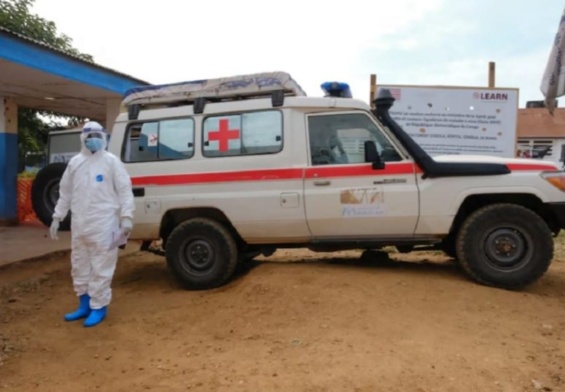
The Democratic Republic of the Congo is facing its largest Ebola outbreak on record, with 3,605 confirmed cases and 1,587 deaths reported by 30 July. The rapid spread across five provinces is being compounded by insecurity, population displacement and limited access to health services.
The Ebola outbreak caused by the Bundibugyo virus in the Democratic Republic of the Congo is continuing to intensify, with health authorities reporting sustained transmission and a sharp rise in cases and deaths. According to the World Health Organization, the outbreak has now surpassed the country’s previous largest Ebola epidemic, which recorded 3,317 confirmed cases between 2018 and 2020.
Transmission spreads across five provinces
Initially detected in the Mongbwalu health zone in Ituri Province, the outbreak has expanded over the past two months to five provinces: Ituri, North Kivu, South Kivu, Haut-Uélé and Tshopo. A total of 49 health zones have reported cases, with 33 still considered active as of 30 July.
Ituri remains the epicenter, accounting for 88% of confirmed cases and more than 82% of reported deaths nationwide. Bunia, Rwampara and Mongbwalu are among the health zones reporting the highest number of infections.
The pace of transmission is particularly concerning. During epidemiological week 30, the country recorded its highest weekly totals since the beginning of the outbreak, with 567 confirmed cases and 296 deaths. The World Health Organization says the increase reflects both expanded surveillance and laboratory capacity, as well as the continued geographical expansion of the outbreak.
Health workers among those infected
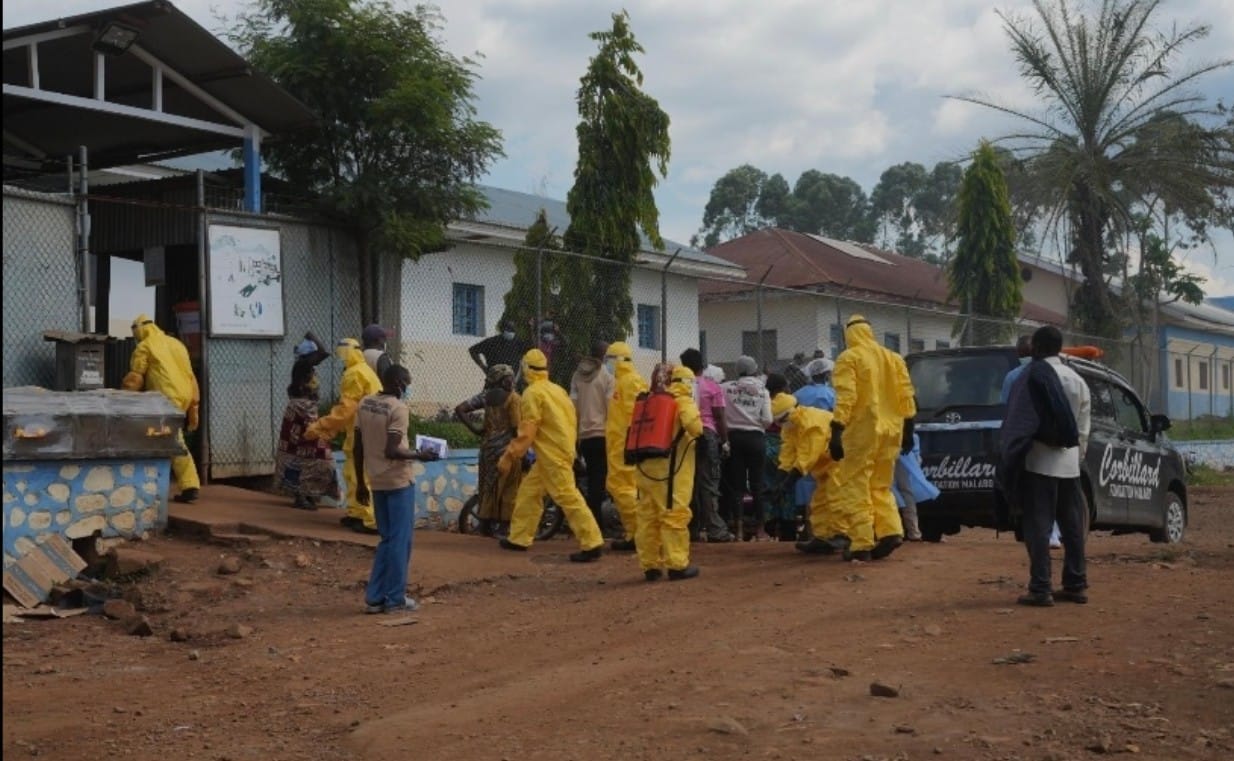
The outbreak is also placing health workers at considerable risk. By 30 July, 151 health workers had been infected, including 44 deaths. The World Health Organization links these infections to occupational exposure, challenges in infection prevention and control, and continued exposure within communities.
Response operations are further complicated by insecurity and attacks affecting health facilities. Population displacement, highly mobile communities and overcrowded sites for internally displaced people are creating additional conditions for transmission while making it harder for response teams to reach affected populations
More than 17,800 contacts had been identified and were under follow-up by 30 July, although monitoring coverage remained uneven across affected provinces.
Regional risk remains under watch
The outbreak has also raised concerns about cross-border transmission. Uganda, which had reported imported cases linked to the DRC outbreak, declared its outbreak over on 28 July after 42 days without a new locally transmitted case.
However, the World Health Organization continues to consider Uganda at high risk of reintroduction because of ongoing transmission in neighboring eastern DRC and population movement across the border.
For the wider African region, the World Health Organization currently assesses the risk as low, while countries sharing land borders with areas where the Bundibugyo virus has been detected facing a higher risk because of cross-border trade, mining activity and population mobility.
No approved vaccine or specific treatment
The current outbreak presents an additional challenge because there are currently no approved vaccines or specific treatments for Bundibugyo virus disease. Response efforts therefore rely heavily on early detection, laboratory confirmation, isolation and clinical care, contact tracing, safe burials and community engagement.
The World Health Organization says a substantial scale-up of response activities is needed to bring the outbreak under control. An Emergency Committee meeting on the Ebola Bundibugyo outbreak is scheduled for 18 August, when the international response and the evolving regional risk will be reviewed.