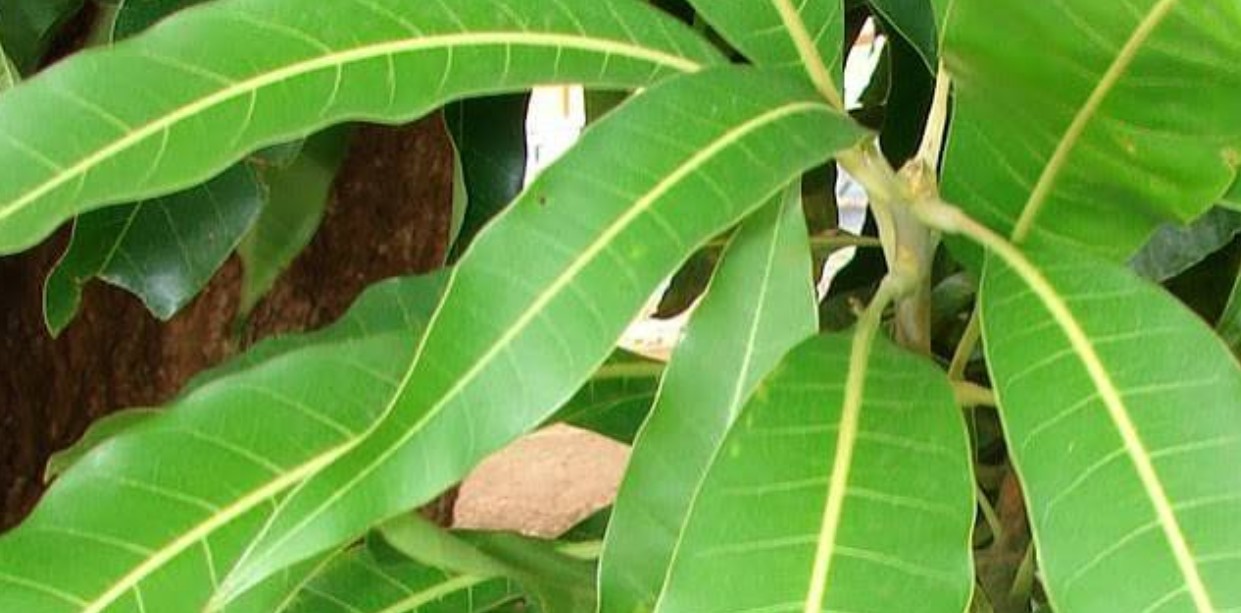
In traditional medicine, a decoction of mango leaves has been used for generations as a natural solution to soothe headaches.
Whether it’s to soothe tension headaches related to stress, alleviate mental fatigue, or relieve discomfort caused by intense heat, this herbal remedy offers a gentle and accessible solution. Thanks to its richness in antioxidant and anti-inflammatory compounds, and particularly the presence of mangiferin, mango leaf provides an interesting empirical approach at the first signs of pain, provided its preparation methods and limitations are understood.
Mangiferin, a plant-based active ingredient with antioxidant and anti-inflammatory properties
The empirical effectiveness of mango leaves against headaches is based on their remarkable biochemical composition. « They notably contain mangiferin, a powerful natural compound known for its antioxidant and anti-inflammatory properties. When headaches develop, the tissues and vessels of the cranial region often undergo micro-inflammation or vascular tension, » explains Armand, a naturopath.
By acting on these sensitivity mechanisms, mangiferin helps reduce local inflammation and neutralize oxidative stress in tissues. This synergistic biological action explains why practitioners of traditional medicine use the mango tree to provide targeted relief and soothe sensations of heaviness or throbbing in the temples and forehead.
Usage methods
To best utilize the soothing properties of the mango tree, traditional medicine has developed simple preparation methods based on extracting the active ingredients using heat and water. The process always begins with making a decoction. A handful of freshly picked or dried mango leaves is boiled in a sufficient volume of water until the liquid takes on a characteristic greenish hue, indicating optimal diffusion of the active ingredients.
The first method of application using this hot decoction is a steam bath. The person suffering from headaches covers their head with a towel over the steaming container and deeply inhales the rising steam. The hot inhalation promotes muscle relaxation, decongests the sinuses, and facilitates the rapid diffusion of the active ingredients.
The second method involves using the liquid in lotion form. Once the water has cooled slightly, it is applied locally using soaked compresses on the forehead and temples, or used to thoroughly rinse the face and head, providing an immediate refreshing and soothing effect.
Mango leaves are primarily indicated at the onset of the first symptoms. They are particularly useful for calming mild to moderate migraines, tension headaches caused by overwork or anxiety, as well as headaches caused by prolonged exposure to the sun and heat.
In these common situations, local application or inhalation of decoction can relax cranial muscles and provide a rapid feeling of well-being without immediately resorting to synthetic molecules.
Precautions and the importance of medical follow-up
Despite its widespread popular use, caution remains essential. Modern medicine reminds us that there are still no robust scientific clinical studies that definitively validate the effectiveness of mango leaves in stopping an established migraine attack.
Furthermore, this traditional remedy proves insufficient and unsuitable for severe attacks, chronic headaches, or migraines with aura accompanied by visual or neurological disturbances. In cases of intense, recurring, or sudden-onset pain, consulting a healthcare professional remains essential to obtain an accurate diagnosis and appropriate treatment.