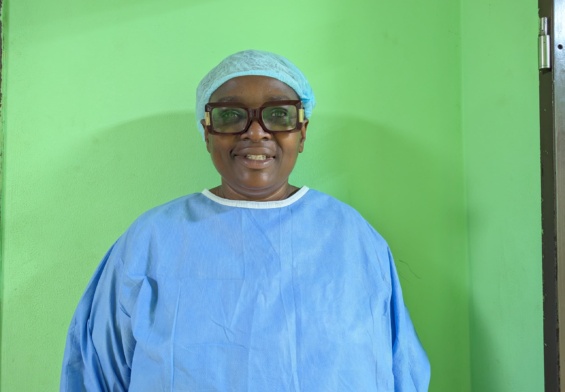
Overcooked food can reduce its nutritional value and, in some cases, cause digestive discomfort. Dietitian-nutritionist Émilie TEMATE TANAMBOU explains how to better control cooking methods.
In Cameroon, some dishes require much more than just a few minutes at the stove. Koki, for example: « The koki my mother used to make, just when you think it’s cooked, that’s when the cooking really starts. You can taste the little ball and eat the koki even after two hours, » says Florence. Corn tchap, on the other hand, isn’t prepared at the last minute. In some families, the cooking begins the day before so they can sit down to eat at noon the next day. The same patience is required for pistachio dishes. « Pistachio dishes are all about the magic of the fire. You have to wait at least three hours for it to cook in the pot, then another two hours in the attic, » explains Marthe. Add to that beef feet and hide, beans, and many other foods known to be difficult to cook. In Cameroonian culinary traditions, leaving
food on the fire for a long time is therefore part of everyday life. But is this long cooking time always necessary? Émilie TEMATE TANAMBOU, dietician-nutritionist, specializing in healthy tropical food, advises on cooking methods and especially warns us about what happens to nutrients when our food spends hours boiling.
Overcooking can deplete the food of nutrients.
Cooking is a chemical transformation of food. The higher the temperature and the longer the exposure to heat, the more certain molecules can be transformed. « When you put food together in a pot, heat it to a very high temperature for a certain amount of time, that’s the chemistry you’re doing. And chemistry means new compounds are formed, » explains the specialist. Some vitamins are particularly sensitive to heat and can decrease during prolonged cooking. Vegetables, for example, can lose some of their vitamin C and certain B vitamins depending on the cooking method. Conversely, cooking isn’t always the enemy of nutrition. It can also improve the digestibility of some foods and make certain nutrients more bioavailable. The challenge, therefore, is to find the right balance: cooking enough to ensure safety and digestibility without unnecessarily prolonging the cooking time. Cooking at very high temperatures can also promote the formation of undesirable compounds, particularly during frying, roasting, or when food is heavily browned or burnt. Charred or heavily blackened foods should be avoided. A diet can therefore be composed of good ingredients but lose some of its nutritional value if it is prepared improperly.
Tips for quickly preparing our traditional dishes
For foods that require long cooking times, soaking them beforehand can save time at the stove. Beans, for example, can be soaked for several hours before cooking to rehydrate and soften them. Once this step is completed, their cooking time can be significantly reduced: « All seeds that require a long cooking time should be soaked for eight hours before cooking, » explains the expert. Soaking can also help reduce certain compounds naturally present in legumes and grains, particularly phytates, which can limit the absorption of certain minerals. It’s therefore not just a matter of speed, but also of digestibility and the availability of certain nutrients. The expert also advises rethinking how you cut meat. Rather than letting large pieces cook for hours, cutting them into thin strips allows for faster cooking. For dishes like pistachio stew or koki, the dietician also recommends using reasonably sized portions or balls to facilitate and speed up cooking. But the problem doesn’t always stem from the cooking time. The dish’s composition can also affect its digestibility.
Some dishes combine several sources of animal protein: beef, smoked fish, eggs, crayfish, prawns, or other meats. According to the expert, this type of combination can make the meal particularly difficult to digest. Bloating, a feeling of heaviness after eating, gas, abdominal pain, or discomfort can then occur in some people. It would therefore be simplistic to systematically attribute these ailments to insufficient cooking: « You put all the animals of the forest into a small dish and you think it’s because the woman wasn’t cooked properly that it gives you a stomachache, » she points out.
Choosing your food carefully is essential. Preparing it properly is just as important. Health is also at stake in the cooking pot.
Marie Chantale FAIDA