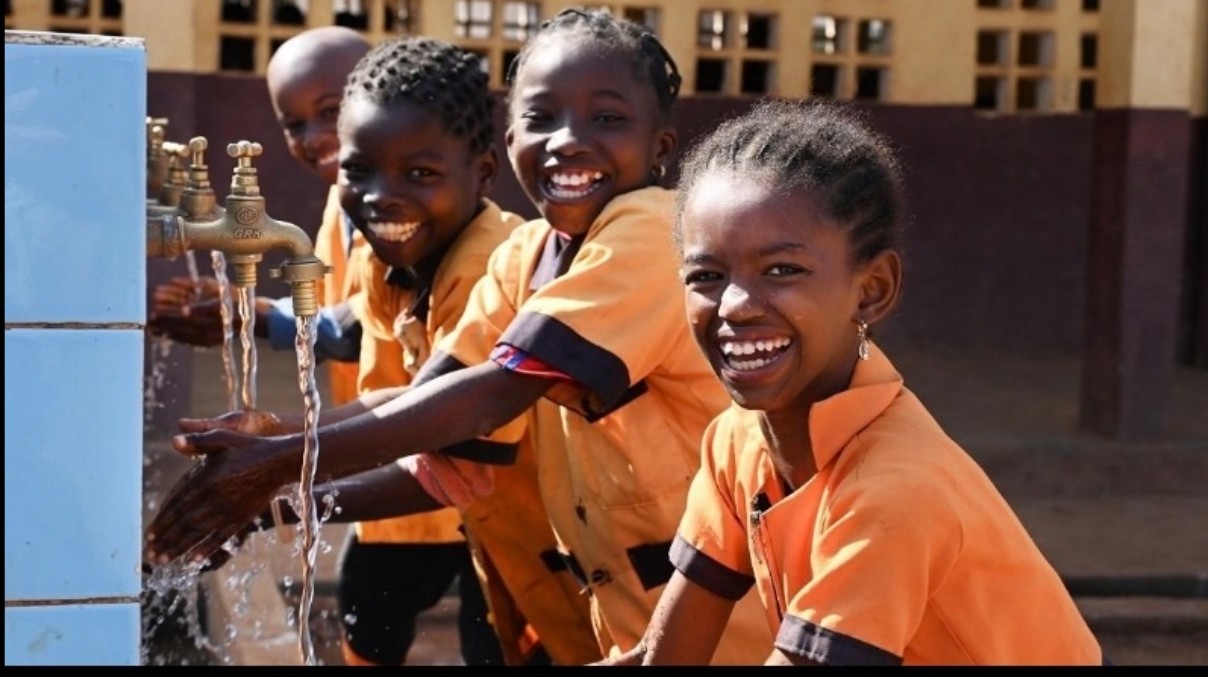
Coughs, colds and other respiratory infections are common among children. Simple everyday habits can help reduce their spread and protect children from complications.
Children are particularly exposed to respiratory infections because their immune systems are still developing and they often have close contact with other children at home, at school and in recreational settings. Most infections are mild and resolve with appropriate care, but prevention remains important, especially for younger children.
Good hand hygiene comes first
Regular handwashing remains one of the simplest ways to reduce the transmission of respiratory viruses. Children should wash their hands with soap and clean running water, especially after coughing or sneezing, after using the toilet, before eating and when they return home from school or other public places.
Parents can also encourage children to avoid touching their eyes, nose and mouth with unwashed hands, as viruses can enter the body through these areas.
Teach children to cover coughs and sneezes
A child who coughs or sneezes can release respiratory droplets into the surrounding air. Teaching children to cover their mouth and nose with a tissue or with the bend of their elbow can help limit the spread of germs.
Used tissues should be thrown away immediately, followed by handwashing. Children should also be discouraged from sharing cups, bottles, cutlery and personal towels with others.
Keep indoor spaces well ventilated
Poorly ventilated rooms can facilitate the accumulation and transmission of respiratory pathogens. Opening windows and doors when appropriate allows fresh air to circulate and can reduce the concentration of infectious particles indoors.
This is particularly useful in crowded homes, classrooms and other places where children spend long periods together.
Keep sick children away from close contact
When a child develops symptoms such as coughing, sneezing, fever or difficulty breathing, close contact with other children should be limited as much as possible. Resting at home can also give the child time to recover.
Parents should pay particular attention to vulnerable children, including infants and those with underlying health problems, who may be more likely to develop severe respiratory illness.
Vaccination remains an important protection
Routine childhood vaccination protects children against several infections that can cause serious respiratory complications. Parents should therefore ensure that their children’s vaccinations are up to date according to the national immunization schedule.
Vaccination does not prevent every respiratory infection, but it can significantly reduce the risk of severe disease from vaccine-preventable infections.
Know when medical attention is needed
Most childhood respiratory infections can be managed with adequate rest, fluids and monitoring. However, some symptoms require prompt medical assessment.
Parents should seek medical care if a child has difficulty breathing, unusually rapid breathing, persistent high fever, bluish lips or face, severe weakness, difficulty waking or signs of dehydration. In babies and very young children, any worrying changes in breathing, feeding or behavior should be taken seriously.
Protecting children from respiratory infections does not require complicated measures. Good hand hygiene, proper cough etiquette, adequate ventilation,
vaccination and early attention to warning signs can make everyday environments safer for children.