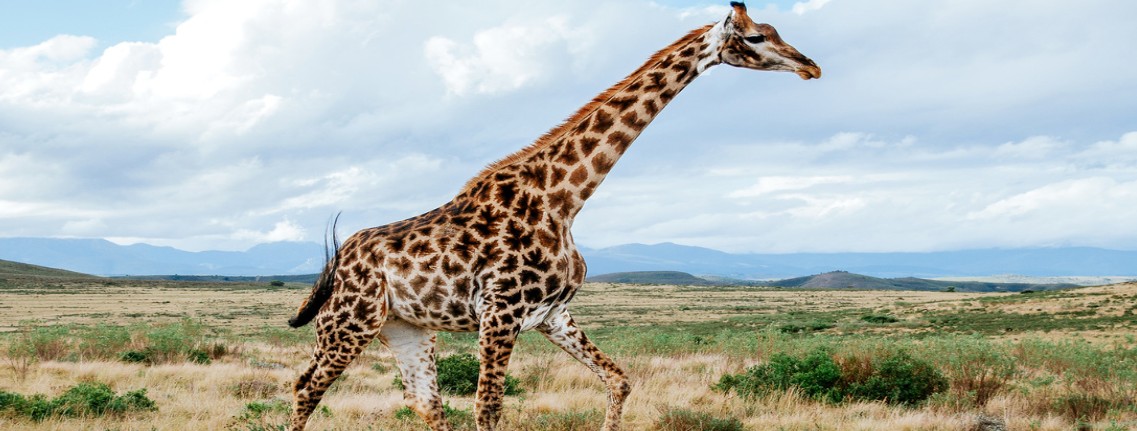
From their height of five meters, they watch over the great outdoors and discreetly shape the vegetation of the savannas and open forests.
Giraffes, the tallest land mammals on the planet, are not just a fascinating sight to behold.
They are the silent guardians of Africa’s savannas and open forests, these long-necked giants who scan the horizon with an almost ethereal elegance. Giraffes, the tallest land animals in the world, fascinate with their extraordinary stature and swaying gait. But their role goes far beyond simply being a spectacle of nature. They are essential players in the ecological balance, unsung architects of biodiversity. On this August 20, 2026, as the world celebrates International Giraffe Day, it is time to unveil the many contributions of this iconic mammal, far beyond its graceful silhouette against African sunsets.
Their imposing size, which can reach up to five meters in height, is not merely an aesthetic attribute. It is a tool, a key that unlocks doors inaccessible to other herbivores. Only giraffes can reach the highest treetops, those leaves and fruits that no other animal can pick. In doing so, they play a fundamental role in pollination and seed dispersal. By feeding on the upper parts of acacias and other trees, they unintentionally transport pollen from one flower to another, thus contributing to plant reproduction. Their movements, sometimes covering tens of kilometers, disperse the ingested seeds, promoting forest regeneration and plant diversity. They are, in a way, the gardeners of the sky.
Natural fertilizers and sentinels for wildlife
But their impact doesn’t stop at the treetops. Like their cousins the rhinoceroses
and elephants, giraffes are remarkable soil fertilizers. Their droppings, rich in organic matter and nutrients, enrich the soil and promote plant growth. These droppings also provide a food source for numerous insects and microorganisms, thus contributing to the life cycle in the ecosystems they inhabit. Each giraffe dung pat is a small ecosystem in itself, a gas station for soil fauna and a natural fertilizer for vegetation.
Furthermore, their height gives them a panoramic view of the vast wilderness. Standing at five meters tall, they can spot predators, especially lions, from miles around. They are the sentinels of the savanna. When a giraffe detects danger and flees, its movement immediately alerts other species—zebras, antelopes, wildebeest—who readily follow suit. This early warning system function is vital for the survival of many smaller animals. The giraffe, without even realizing it, protects an entire community.
Valuable allies for the ecosystem and for humanity
By helping different species coexist, fertilizing the soil, and promoting plant dispersal, giraffes are pillars of biodiversity. Their presence ensures the balance of ecosystems. Their disappearance, like that of any link in the chain, would have cascading repercussions, affecting not only the flora and fauna but also the human populations that depend on these environments for their livelihoods. Ecotourism, a source of income for many communities, relies heavily on the beauty and rarity of these animals. Protecting them is therefore also an investment in the sustainable development of the regions they inhabit.
Yet, giraffes are threatened. Their population has plummeted by nearly 40% in the last three decades, victims of poaching, habitat loss, and armed conflict. Their classification on the International Union for Conservation of Nature (IUCN) Red List as vulnerable, with some subspecies critically endangered, is a wake-up call we cannot ignore. Every giraffe that disappears loses a little of Africa’s magic, and also a little of its ecological resilience. Protecting the giraffe means protecting the savanna, the forests, and all the beings that depend on them.