
Its leaves, roots and stem bark contain active ingredients capable of blocking the proliferation of the malaria parasite.
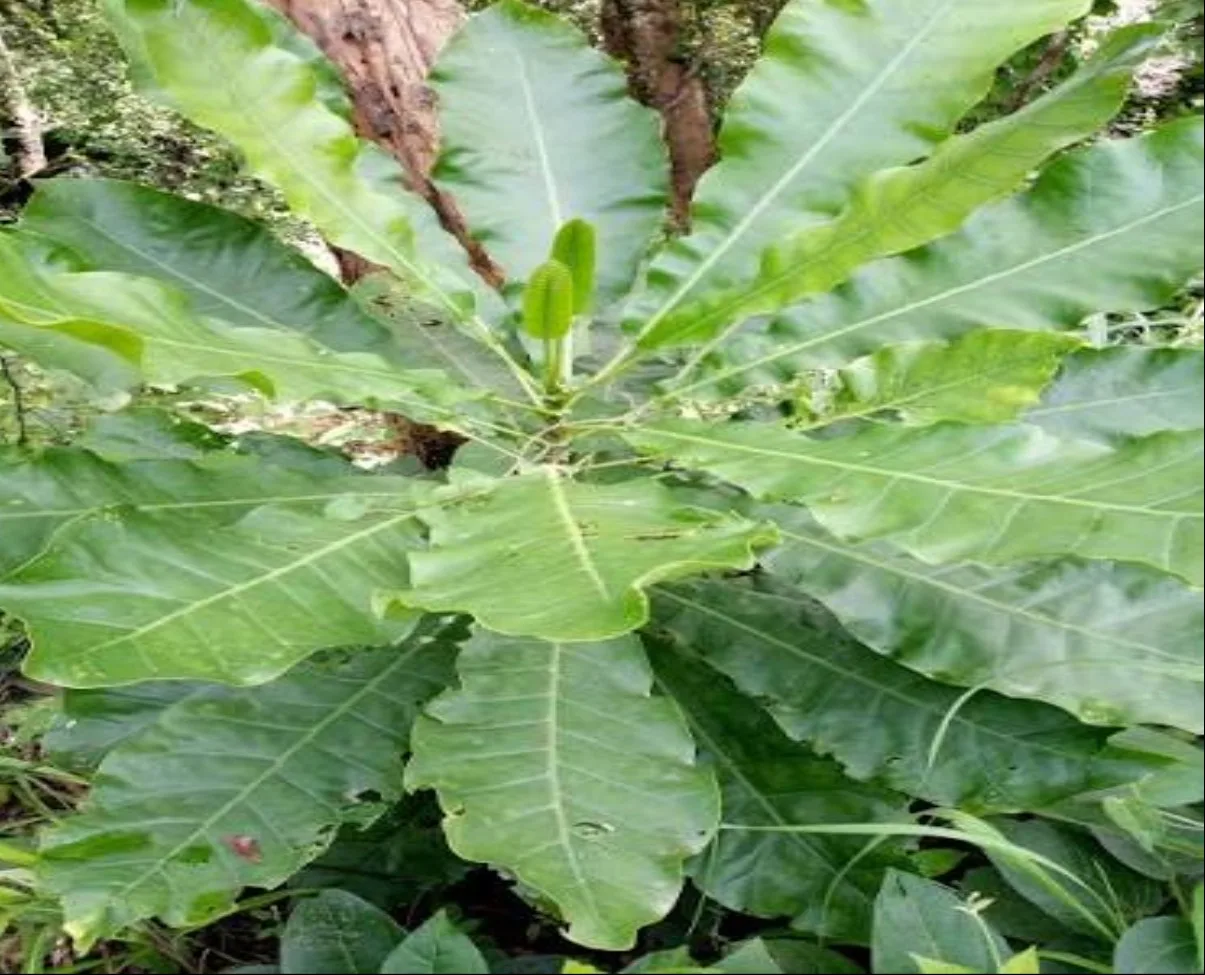
Anthocleista djalonensis, often called the cabbage tree or fever tree, has clinically documented antimalarial activity that supports its widespread traditional use. Major scientific publications now demonstrate that its leaves, roots, and stem bark contain active compounds capable of blocking the proliferation of the malaria parasite, Plasmodium, while also reducing the intense fever of malaria attacks.
The plant’s antimalarial properties stem from its richness in active molecules such as isovitexin, xanthones, and quinoline alkaloids—chemical families closely related to conventional drugs like quinine. Its extracts directly attack the blood schizonts that destroy red blood cells, resulting in significant elimination of parasitic strains and a powerful fever-reducing effect.
A state-of-the-art preparation method
In traditional medicine in Mali, Ivory Coast, and Nigeria, the roots are used in macerations or decoctions, the stem bark is drunk boiled, and the leaves are used in infusions or steam baths to treat malaria. However, preparing the remedy from fresh leaves requires a strict dosage of exactly seven medium-sized leaves for an adult, or three leaves for a child over six years old. This precise count concentrates the active ingredients while preventing overdoses.
To release its beneficial properties, the seven washed and shredded leaves should be boiled in 1.5 liters of cold water for 15 minutes, covered, until it turns amber. Once strained, this decoction is drunk in medium-sized glasses of approximately 150
milliliters, three times a day after meals, for a maximum of three to five days. To lessen the beverage’s extreme bitterness and prevent gastric irritation, traditional healers recommend adding a spoonful of pure honey. It is essential to discontinue treatment if severe digestive problems occur.
Precaution for use
Despite its high efficacy in primary care, the use of Anthocleista djalonensis requires strict precautions and should not replace hospital treatment. The plant is a powerful natural purgative, and excessive consumption can cause severe diarrhea, vomiting, and colic. Furthermore, its abortifacient properties make it strictly contraindicated in pregnant women due to the risk of uterine stimulation and miscarriage. Finally, the lack of a universally standardized dosage in homemade herbal teas does not guarantee the complete elimination of all parasites, unlike the combination therapies recommended by the WHO, thus increasing the risk of relapse.
Used with caution and in strict compliance with traditional dosages, Anthocleista djalonensis remains a valuable phytotherapeutic resource for combating fever and malaria.