A true treasure of African pharmacopoeia and gastronomy, this plant with purple shoots reveals exceptional nutritional virtues.
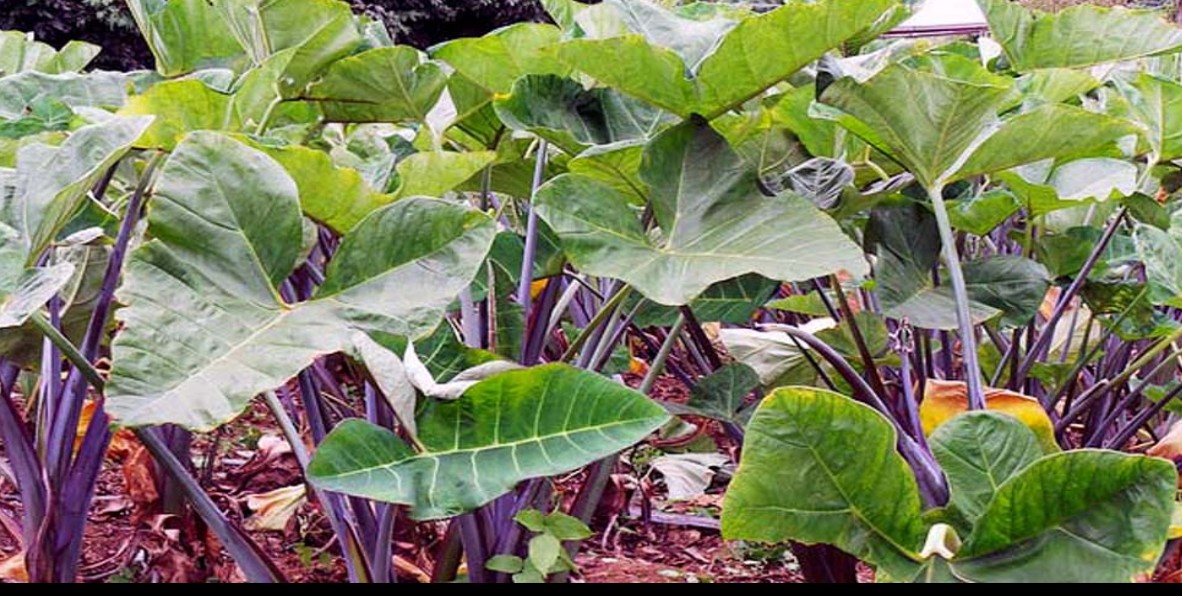
At the heart of our culinary and preventative traditions, certain nutritional treasures lie hidden in plain sight. This is the case with red macabo, known as Xanthosoma sagittifolium, whose tuber has long overshadowed the exceptional virtues of its young shoots. Prized in African cuisine, particularly in Cameroon where they accompany black-eyed pea koki or are prepared in rich sauces and stir-fries, as in the Yebekolo dish « belôbô, » these tender leaves represent a fundamental pillar of traditional and preventative medicine.
A nutritional goldmine at the service of the body
While folk wisdom has long recommended consuming these shoots to maintain vitality, modern science only confirms these recognized ancestral benefits. Unlike the tuber, which is primarily composed of starches, the young leaves stand out as a concentrated source of essential nutrients.
They contain approximately 20 percent plant protein by dry matter, a significantly higher protein content than the tubers, which directly contributes to the body’s cellular regeneration. Furthermore, they provide remarkable immune and cellular support thanks to their richness in vitamins A and C, as well as protective antioxidants. Their high iron, calcium, and potassium content deeply remineralizes the body, while their gentle fibers ensure optimal digestive comfort, promoting regular bowel movements. Unlike the more fibrous mature leaves, the young shoots cook more quickly and offer a much higher nutritional density than the tubers.
Precautions for use
Like many medicinal plants, young red taro leaves require careful preparation. In their raw state, the plant contains calcium oxalate crystals, irritating molecules that can cause burning in the mouth and throat. This is where traditional medicine meets gastronomy: to neutralize these irritants and unlock the plant’s full beneficial potential, a methodical preparation is essential.
The leaves must first be carefully washed and sorted to remove any tough parts. Thorough and prolonged cooking is then essential to completely destroy the oxalate
crystals. Traditionally prepared with red palm oil, peanuts, smoked fish, or snails, these young shoots become a delicious and perfectly harmless remedy.
By reintroducing this ancient leafy vegetable into our diet, we are doing much more than delighting our taste buds: we are reviving a sustainable health habit.