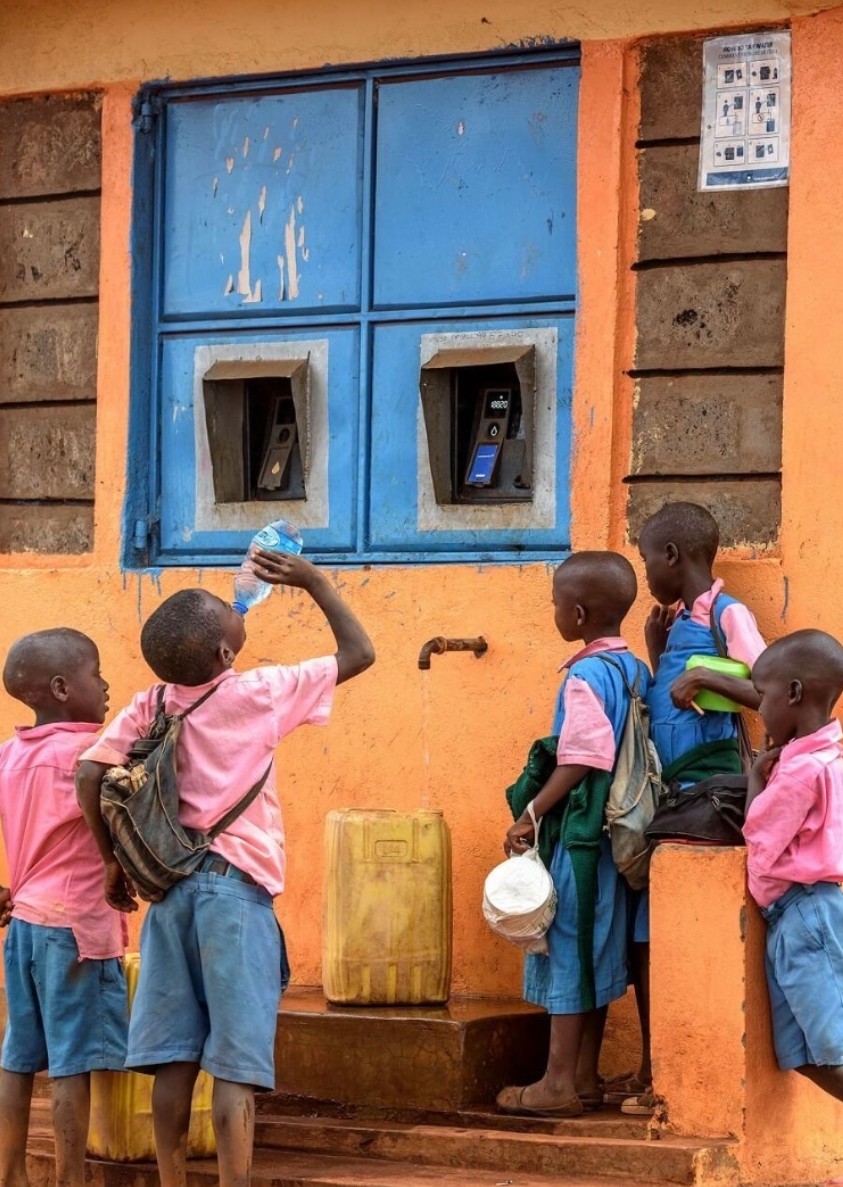
As schools reopen, children are likely to spend long hours in classrooms, on playgrounds or moving between activities. When drinking is forgotten or water is simply not within reach, the resulting dehydration can affect their concentration, energy and, in more serious cases, their health.
A bottle of water in a child’s schoolbag can help make regular hydration part of the school routine.
Thirst is not the only warning sign
A child does not always stop what they are doing to ask for water. During a busy school day, thirst may be overlooked, especially when a child is absorbed in a lesson, playing with friends or rushing from one activity to another. In hot weather, fluid losses can also increase through sweating.
The first signs of dehydration may be subtle. A child may become unusually tired, irritable or complain of a headache. The mouth and lips may feel dry, urine may
become darker and urination may become less frequent. Some children may also feel dizzy or weak.
These signs should not simply be attributed to tiredness after a long school day. They can be the body’s way of signaling that it needs more fluids.
When dehydration becomes serious
Water is essential for many of the body’s functions, including regulating temperature and maintaining normal circulation. When the body loses more fluid than it takes in, dehydration develops.
Mild dehydration can already make a child feel uncomfortable and less energetic. At school, this may translate into difficulty staying attentive, reduced participation in activities or poorer concentration. For a child who spends hours running and playing, particularly in hot conditions, fluid loss can occur even faster.
More severe dehydration requires prompt medical attention. Warning signs include extreme weakness, confusion, marked drowsiness, very little or no urine, rapid breathing, a fast heartbeat or a child who is difficult to wake up. Such symptoms should not be managed simply by waiting for the child to drink later.
Make drinking part of the school routine
The simplest solution is also one of the most effective: make water accessible and drink regularly.
Before leaving home, parents can encourage children to drink and make sure they leave with enough safe drinking water for the school day. A reusable bottle can make it easier for the child to drink between lessons, during breaks and after physical activities.
Children should not have to wait until they feel extremely thirsty before drinking. Small, regular amounts throughout the day are a practical approach, particularly when temperatures are high or the child is physically active.
Schools also have a role to play. Allowing children reasonable opportunities to drink water, ensuring access to safe drinking water and reminding them to hydrate during breaks can help prevent dehydration from becoming a hidden problem in the classroom.
At home, watch the signs
Parents can also use simple clues to monitor hydration. Urine that is pale yellow generally indicates better hydration, while consistently dark urine and infrequent
urination can be signs that a child needs more fluids.
Water should remain the main drink. Sugary beverages should not replace regular water intake. Children who have been vomiting or have diarrhea can lose fluids and salts rapidly and may need oral rehydration solution, particularly if they cannot keep fluids down.
The return to school is therefore also a good time to establish a simple habit: drink before thirst becomes a problem. A bottle in the schoolbag, regular drinking breaks and attentive adults can go a long way towards keeping children hydrated, alert and ready to learn throughout the day.