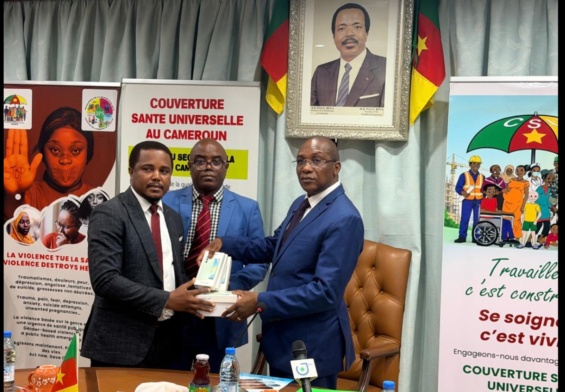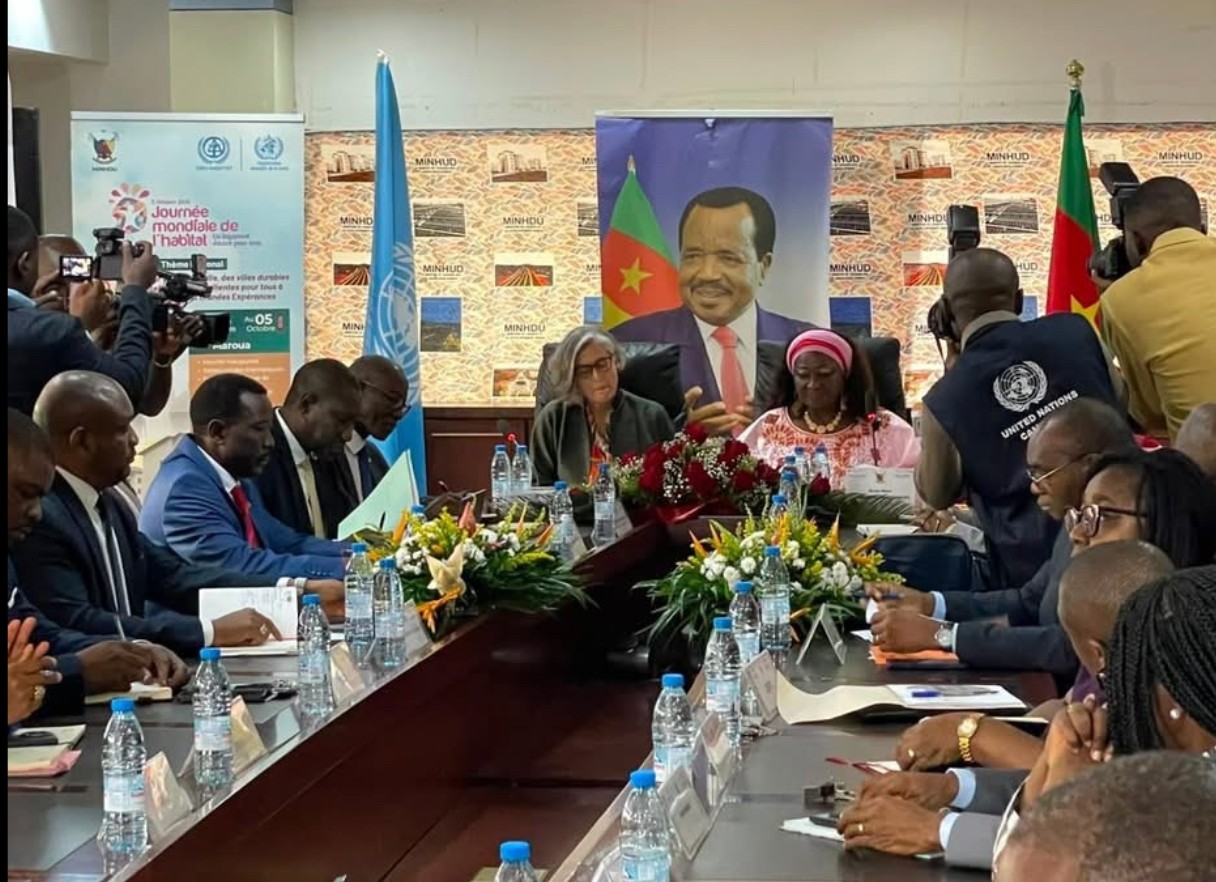
During her official visit to Cameroon, UN-Habitat Executive Director Anacláudia Rossbach met with officials of the Ministry of Housing and Urban Development to strengthen cooperation on affordable housing, sanitation, urban planning and climate resilience.
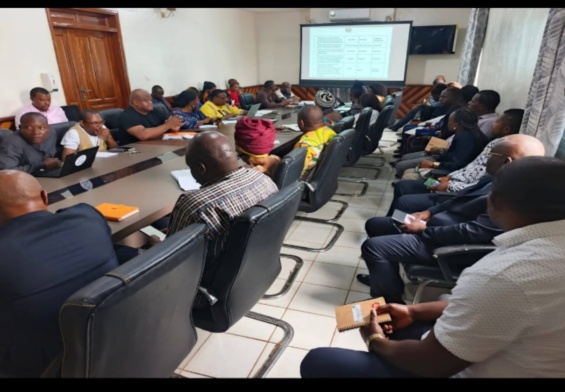
The visit of Anacláudia Rossbach, United Nations Under-Secretary-General and Executive Director of UN-Habitat, to Cameroon from September 6 to 9 marks a new stage in a partnership that has spanned more than two decades. During an audience with officials of the Ministry of Housing and Urban Development,
followed by broader technical discussions, both parties reviewed past achievements and identified priorities expected to shape their cooperation between 2027 and 2030.
The agenda includes affordable housing, urban planning, smart cities and climate resilience. While these issues are often discussed in terms of infrastructure and development, they also have direct implications for public health and human rights.
When the city shapes people’s health
The environment in which people live can significantly influence their health. Housing conditions, access to sanitation, waste management, mobility and exposure to floods or other environmental hazards all form part of the daily realities of urban life.
In rapidly expanding cities, inadequate planning can deepen existing vulnerabilities. Poor drainage, unmanaged waste, overcrowded settlements and inadequate access to basic services can expose communities to environmental and health risks. Conversely, better urban planning can help create safer living environments and improve people’s quality of life.
This connection gives the Cameroon–UN-Habitat partnership a significance that goes beyond urban development. Building sustainable cities also means addressing some of the social and environmental conditions that influence health.
Housing beyond four walls
Affordable housing is expected to remain one of the major priorities of the partnership. Cameroon faces a significant housing deficit, while the country’s urban population continues to grow.
The issue therefore carries a human rights dimension. Access to decent housing is closely linked to human dignity and to the ability of individuals and families to live in safe and healthy conditions.
Sanitation and healthier communities
Sanitation is another area where urban development and public health meet. The management of waste, drainage and wastewater remains a major challenge in many growing urban areas.
UN-Habitat and Cameroon have already worked on initiatives related to urban planning and the upgrading of informal settlements. Past interventions under programs aimed at improving living conditions in deprived neighborhoods have
reached communities in Yaoundé, Kribi and Bamenda.
Climate resilience as a public health issue
Climate change is adding another layer of pressure to cities. Floods and other extreme events can damage homes and infrastructure, disrupt access to essential services and place vulnerable communities at greater risk.
For the 2027–2030 period, Cameroon and UN-Habitat have identified climate adaptation and resilient infrastructure among their priorities. This approach recognizes that preparing cities for environmental shocks is also a way of protecting populations.
The partnership has already supported resilience initiatives in several cities, including Mokolo, Fotokol, Ebolowa and Bafoussam. The challenge now will be to expand successful approaches and ensure that urban development responds to the realities of communities.
From commitments to visible change
The discussions surrounding Rossbach’s visit also highlighted the need to mobilize resources and strengthen implementation. Priorities for the coming years include the operationalization of the National Urban Policy, the development of affordable housing, pilot smart-city projects and stronger climate-resilience measures.
But for the populations living in Cameroon’s cities, the value of this renewed cooperation will ultimately be seen in the possibility of living in decent housing, cleaner neighborhoods, safer environments and cities better prepared to respond to the challenges of rapid urbanization.
As Cameroon and UN-Habitat prepare their roadmap towards 2030, the central challenge remains clear: transforming urban ambitions into tangible improvements in people’s health, dignity and daily lives.