The Ebola outbreak caused by the Bundibugyo virus has reached a seventh province in the Democratic Republic of Congo, with a confirmed case reported in South Ubangi. The development comes as the country records more than 7,000 confirmed cases, raising fresh concerns over surveillance, population movements and the risk of cross-border transmission.
The confirmation in South Ubangi, in northwestern DR Congo, marks a significant geographical expansion of the outbreak. The province borders the Central African Republic and the Republic of Congo, making the strengthening of surveillance at borders and points of entry increasingly important for containing the virus.
More than 7,000 confirmed cases
As of September 11, health authorities reported 7,022 confirmed Ebola cases and 3,398 deaths in the country. The outbreak has affected seven provinces, including Ituri, North Kivu, Haut-Uele, Bas-Uele, South Kivu, Tshopo and now South Ubangi.
The figures underline the scale of an outbreak that has continued to challenge health authorities despite ongoing response measures. The arrival of the virus in a new province also creates additional pressure on health services, surveillance teams and laboratories that must rapidly identify suspected cases and trace their contacts.
The World Health Organization has warned that population movements remain a major factor in the spread of infectious diseases. In border areas, informal crossing points can make it more difficult to detect and monitor people who may have been exposed to the virus.
A new cross-border challenge
The situation in South Ubangi is particularly significant because of its geographical position. Communities living along borders often maintain regular social and economic exchanges, while health surveillance does not always stop population movements.
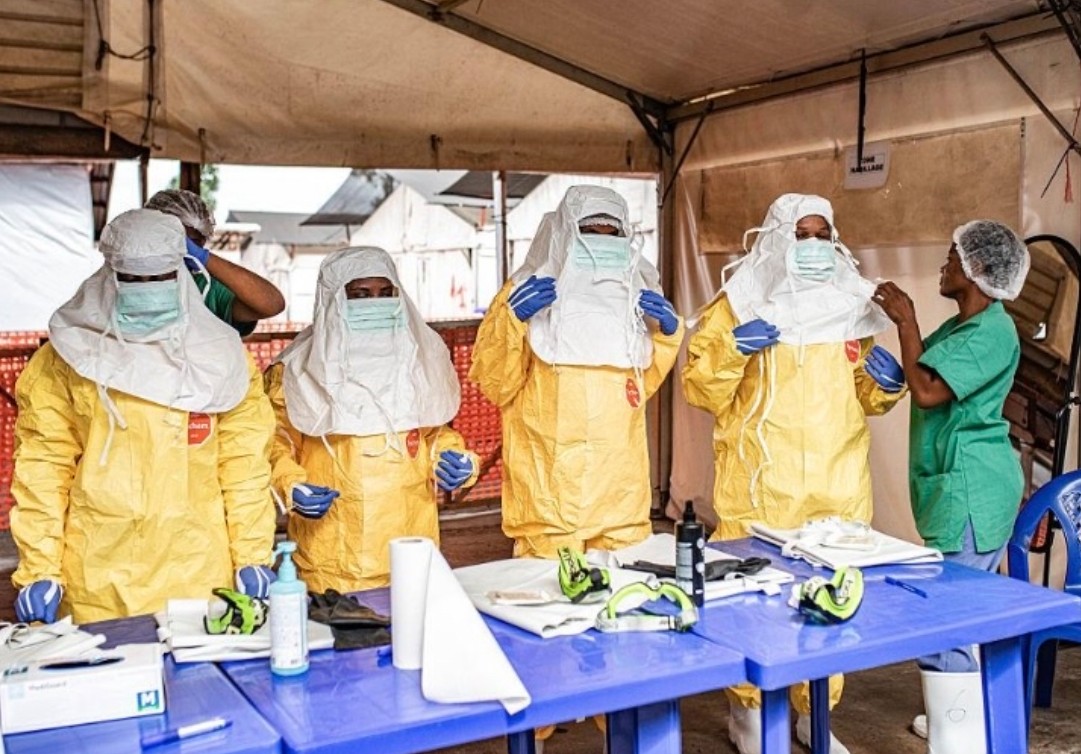
For health authorities, preventing further transmission therefore requires more than treating patients after infection. It involves early detection, contact tracing, infection prevention and control, community engagement and coordinated surveillance between neighboring countries.
The challenge is also compounded by difficult access to some affected areas. In parts of the country, insecurity, population displacement and weak health infrastructure can slow the deployment of response teams and limit access to diagnosis and treatment.
The expansion into South Ubangi consequently adds another layer to an already complex response. Authorities must now reinforce surveillance not only around existing outbreak areas, but also along routes connecting affected communities with neighboring provinces and countries.
Vaccination and treatment research
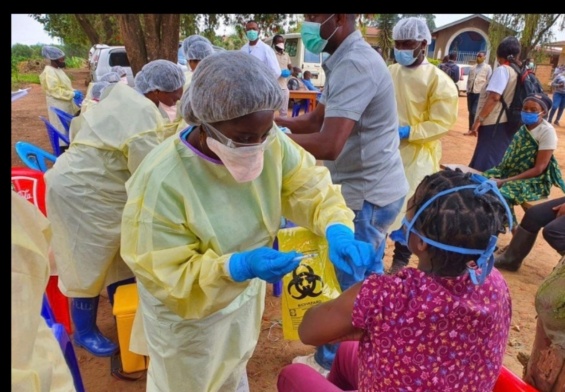
The response includes vaccination of health workers and other frontline personnel using Ervebo. However, the vaccine’s effectiveness against Bundibugyo virus remains uncertain. The WHO has indicated that its use against this strain is being conducted within a research framework.
By September 6, more than 2,000 people had reportedly been vaccinated in six health zones across three provinces. At the same time, researchers are pursuing clinical trials to identify effective treatments specifically for Bundibugyo virus disease.
The PARTNERS trial is among the initiatives seeking evidence on potential therapeutic options, at a time when treatment choices for this form of Ebola remain limited.
Keeping the outbreak contained
For the authorities and their partners, the latest developments reinforce the need for rapid action. Detecting the first confirmed case in a new province provides an opportunity to intensify surveillance, isolate suspected cases and trace contacts before wider community transmission occurs.
With South Ubangi now added to the list of affected provinces, the outbreak has moved into a new geographical phase. Its proximity to two neighboring countries also means that containing Ebola is no longer only a national challenge. Strong coordination, timely information sharing and vigilant surveillance across borders will be essential to prevent further expansion of the virus.