Uganda has launched a three-year initiative to improve the early management of medical emergencies, with 2,400 health workers and 200 health facilities targeted across 85 districts by 2028.
Acting when every minute counts
When a patient arrives at a health facility with severe bleeding, breathing difficulties or serious trauma, the first minutes can determine the outcome. Recognizing a life-threatening condition quickly and providing appropriate care can prevent avoidable deaths, complications and long-term disabilities.
It is against this backdrop that Uganda’s Ministry of Health, with technical and
financial support from the World Health Organization (WHO) and other partners, launched the Acute Care Transformation through Basic Emergency Care (ACTxBEC) initiative on September 11, 2026.
The program seeks to strengthen the ability of health workers to critically assess ill patients, identify emergencies early and provide essential interventions while ensuring better teamwork and coordination of care.
From training to practice
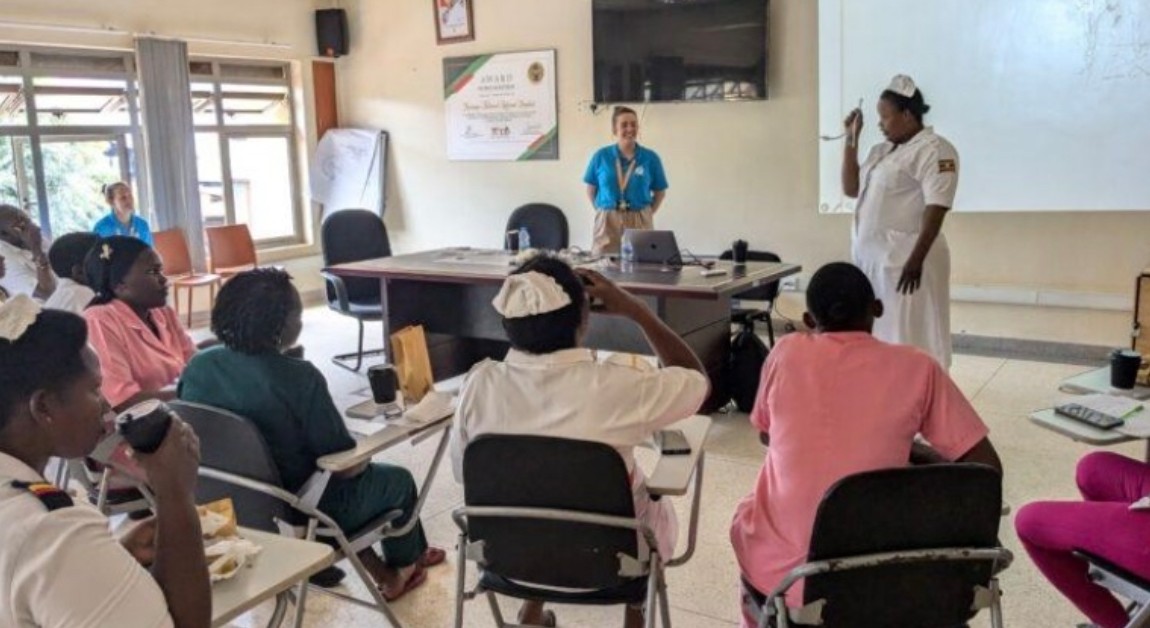
ACTxBEC is designed to go beyond one-off training sessions. Its approach combines online learning, practical training, emergency simulations, workplace exercises and continued mentorship.
The aim is to make emergency preparedness part of routine care within health facilities. Health workers trained under the program will also support continued simulation exercises and peer learning, helping teams maintain and improve their skills over time.
By 2028, the initiative is expected to reach about 200 health facilities in 85 districts and train approximately 2,400 health professionals.
Responding to common emergencies
The program focuses on emergencies that health workers can encounter at different levels of the health system. These include severe breathing difficulties in children, postpartum haemorrhage, road traffic injuries and other trauma, severe asthma attacks, as well as complications associated with diabetes and other serious illnesses.
For patients, strengthening these basic emergency care skills can mean faster recognition of danger and earlier intervention, particularly in facilities where specialized emergency services may not always be immediately available.
The approach also places emphasis on teamwork. In an emergency, effective care depends not only on individual clinical knowledge but also on the ability of health workers to communicate, coordinate tasks and act rapidly.
A regional effort to improve acute care
Uganda is implementing the initiative alongside Ethiopia, Rwanda and Tanzania, giving the program a wider African dimension.
The experience of these countries could provide useful evidence on how practical training, simulation and mentorship can strengthen emergency care within existing health systems.
For Uganda, however, the immediate challenge is clear: turning newly acquired skills into faster and safer care for patients arriving with life-threatening conditions. By expanding emergency preparedness across hundreds of facilities, the country is seeking to make timely intervention a stronger component of everyday healthcare and reduce the burden of preventable deaths and disabilities.