Its essential oils actively stimulate the sweat glands to trigger profuse perspiration.
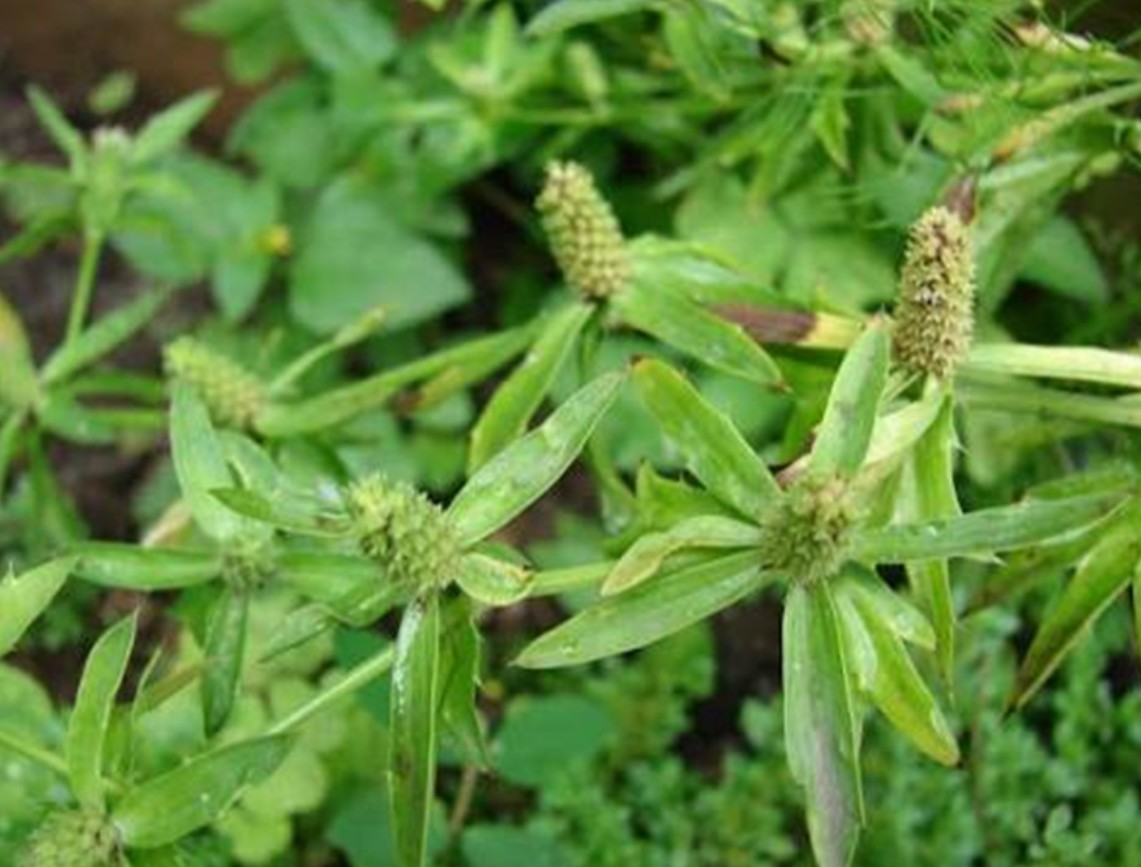
A sudden rise in body temperature, a feeling of chills—fever can strike without warning. Traditional medicine offers a wealth of remedies with proven effectiveness. Among them is stinking sea holly, scientifically known as Eryngium foetidum, more commonly called blessed thistle. It has been used by traditional healers for generations for its powerful fever-reducing properties.
A plant with diaphoretic properties
The action of stinking sea holly relies primarily on its diaphoretic properties, also described by specialists as diaphoretic. Its essential oils actively stimulate the sweat glands to trigger profuse perspiration, as explained by naturopath Atangana: “As it evaporates on the skin’s surface, this sweat mechanically cools the body and dissipates accumulated heat, thus naturally lowering the overall temperature. This thermal regulation is accompanied by a complete bioactive arsenal.” Rich in flavonoids, polyphenols, tannins, and phytosterols, the plant blocks the release of chemical mediators of inflammation. This cascade of effects soothes the fever at its source while providing welcome analgesic relief from headaches and painful aches and pains.
Beyond its effect on symptoms, the plant, according to the naturopath, targets the root cause of the infection. It derives much of its antimicrobial potential from a key compound, eryngial, an aldehyde that assists the immune system in neutralizing the germs responsible for the illness. Simultaneously, its high concentration of vitamins A, B, and C, combined with powerful antioxidants, helps the body combat the oxidative stress caused by fever.
To benefit from this plant’s properties, naturopaths recommend using the leaves in a hot infusion. The heat of the beverage enhances perspiration and accelerates the body’s cooling process. For a complementary external effect, lightly crushed leaves can be rubbed on the skin or added to a warm bath to directly refresh the epidermis.
However, the expert warns that the use of stinking sea holly is strictly limited to a curative context. Intended to relieve an existing fever, not to prevent it, this symptomatic treatment should not be prolonged. If the fever persists or the patient’s general condition worsens, a prompt medical diagnosis becomes essential to identify the exact cause of the infection.
Precautions for use
Although natural, internal use of stinking sea holly is strictly prohibited for pregnant women due to the risk of uterine contractions, as well as for breastfeeding women and young children. Furthermore, according to experts, its potential impact on blood sugar levels makes it unsuitable for diabetics. Finally, individuals allergic to plants in the Apiaceae family, such as carrots, celery, fennel, or coriander, must absolutely avoid it to prevent serious cross-reactions. Used with caution, stinking sea holly remains a valuable remedy for managing fever.