More than 5,600 girls consulted across the country have identified access to health services, protection from violence and harmful practices among their priorities. As Cameroon prepares to mark the International Day of the Girl on October 11, authorities and partners face the challenge of turning these demands into concrete action.
Girls want their voices heard
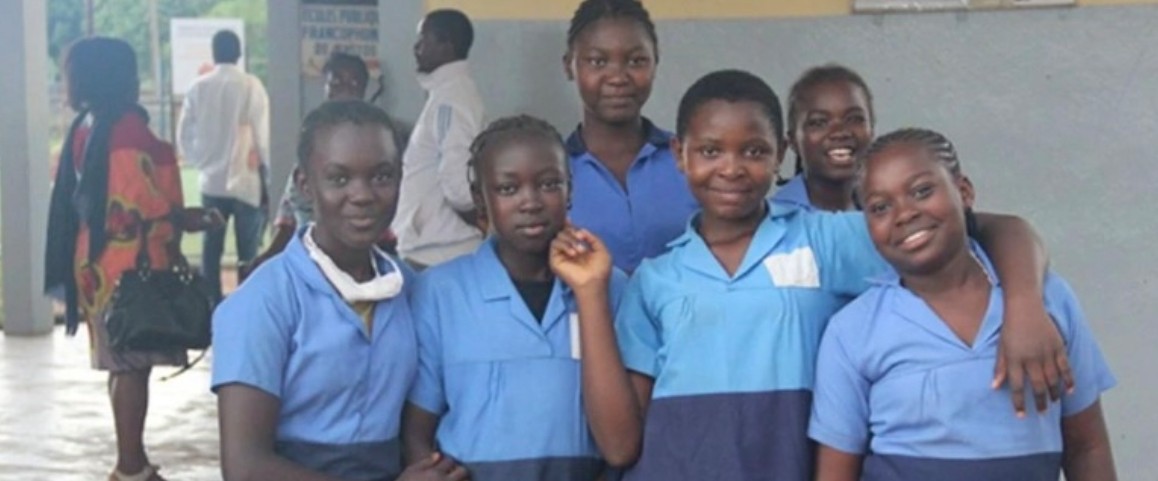
More than 5,600 adolescent girls across Cameroon’s ten regions have taken part in consultations through the Girls’ Movement, bringing their concerns and priorities to the center of discussions on girls’ rights.
Their demands cover several areas, including education, protection from violence, empowerment and access to health services. The consultations have also contributed to the development of a Girthey’ Manifesto, intended to reflect the priorities expressed by girls themselves.
The initiative provides a platform for adolescent girls to speak about the challenges affecting their daily lives and the changes they want to see in their communities.
Health cannot be separated from rights
For adolescent girls, access to healthcare is closely linked to their ability to stay in school, avoid early pregnancy and protect themselves from violence and harmful practices.
Among the concerns raised are access to quality and adolescent-friendly health services, as well as stronger protection against gender-based violence, child marriage and female genital mutilation.
These issues have direct consequences for girls’health. Violence can result in physical injuries and psychological trauma, while child marriage and early pregnancy can expose adolescents to significant health and social risks.
The health of girls therefore cannot be addressed separately from their protection and fundamental rights.
From consultation to action
The mobilization has also moved towards institutional action. In June 2026, UNICEF and the
Ministry of Women’s Empowerment and the Family launched a national Task Force in Ebolowa to work on a National Agenda for Girls’ Rights.
The process brings together government ministries, civil society organizations, community and religious leaders, as well as representatives of girls.
The objective is to translate the priorities expressed by girls into concrete actions in areas including education, protection and empowerment.
Making girls’ voices count
The International Day of the Girl comes as Cameroon continues to build mechanisms for adolescent girls to participate in decisions concerning their lives.
The consultations have already provided a clearer picture of what girls consider urgent. The next challenge is to ensure that their demands do not remain limited to consultations, campaigns or commemorative messages.
Improving access to health services, preventing violence and harmful practices, keeping girls in school and giving them a greater role in decision-making are interconnected priorities.
For Cameroon’s girls, being heard is only the first step. The real test will be whether their voices lead to concrete changes in the services, protection and opportunities available to them.