
The World Health Organization (WHO), UNICEF and Nigerian health authorities are strengthening treatment facilities and community-based rehydration services in Borno State, where 68,152 suspected cholera cases and 394 deaths had been reported by the end of September 2026.
Strengthening treatment capacity
In northeastern Nigeria, access to timely medical care remains a major concern as communities face the combined challenges of cholera, insecurity and limited access to essential services. In Borno State, efforts to bring treatment closer to affected populations have become a key component of the response to the outbreak declared in May 2026.
By the end of September, Borno had recorded 68,152 suspected cases and 394 deaths, according to WHO. The reported case fatality rate stood at 0.6%. Although the number of cases had declined, the outbreak continued to place pressure on local health services.
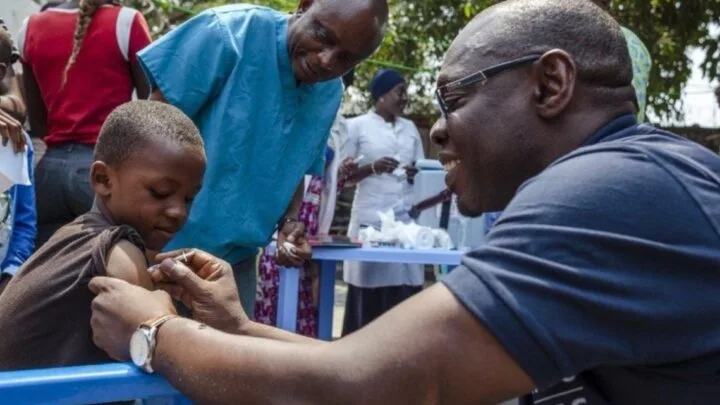
To improve access to treatment, WHO has supported the strengthening of cholera treatment facilities, including Biu General Hospital and the cholera treatment unit in Monguno, alongside nine other treatment sites.
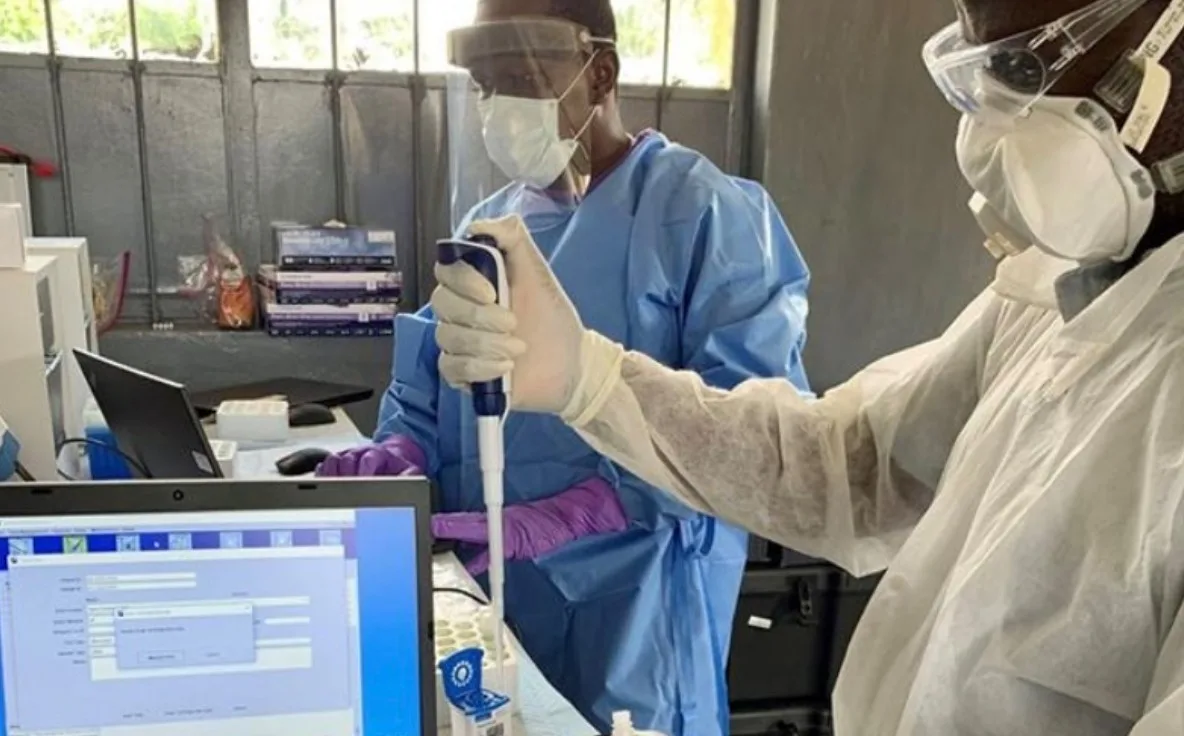
Medical supplies provided include rapid diagnostic tests, oral rehydration salts, intravenous fluids, personal protective equipment, cholera beds and tents. These resources are intended to improve diagnosis, support the management of dehydration and increase the capacity of health facilities to receive patients.
The response has also focused on strengthening the skills of frontline health workers. Around 120 health professionals have received training in clinical cholera management, infection prevention and control, water, sanitation and hygiene, disease surveillance and health data management.
In addition, 70 rapid response team members were deployed for four weeks across 11 treatment units in nine affected local government areas, working alongside existing health personnel.
Bringing rehydration closer to communities
While treatment facilities remain essential for patients with severe symptoms, community-based services offer another entry point into the healthcare system.
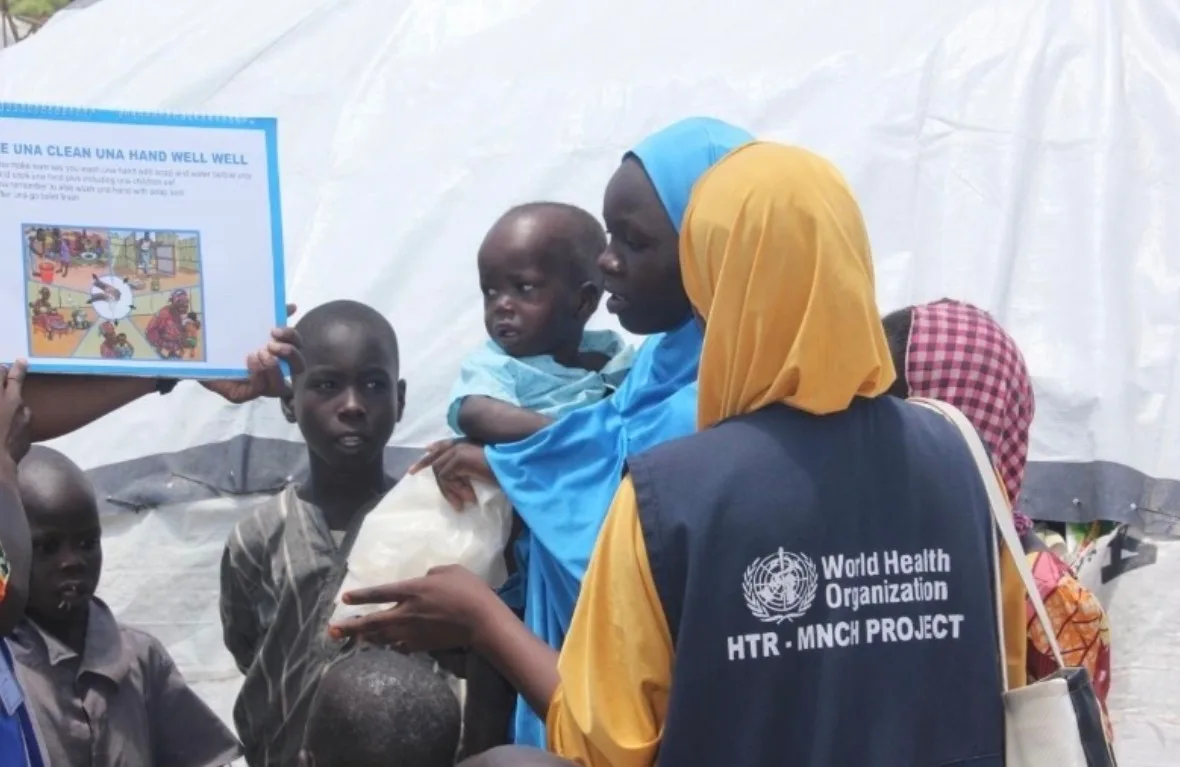
In Ajiari, UNICEF supports an oral rehydration point designed to help people with suspected cholera receive an initial assessment and begin appropriate rehydration without unnecessary delays. The initiative, implemented with the Borno State Government and supported by the Nigeria Humanitarian Fund, also promotes awareness of preventive measures among families.
Oral rehydration is particularly important because cholera can cause severe dehydration through acute watery diarrhoea. Prompt treatment can significantly reduce the risk of death.
However, community rehydration points cannot replace fully equipped treatment centres. Patients with severe dehydration or other complications require urgent referral to facilities capable of providing appropriate medical care.
The two approaches therefore serve complementary purposes: community services can facilitate early intervention, while treatment units provide more comprehensive care for critically ill patients.
Persistent barriers to care and prevention
Despite these interventions, delivering healthcare in Borno remains challenging. Insecurity, population displacement and the distance between communities and health facilities can delay access to treatment. Limited access to safe drinking water and adequate sanitation also increases the risk of cholera transmission.
Beyond clinical care, controlling the outbreak requires sustained efforts to improve water quality, sanitation and hygiene. Community awareness, early detection and effective disease surveillance are equally important to identify new cases and limit further transmission.
Funding from WHO’s Contingency Fund for Emergencies and the United Nations Central Emergency Response Fund has supported aspects of the response, while UNICEF’s community-level interventions contribute to improving access to essential services.
As the number of reported cases declines, maintaining treatment capacity and preventive measures remains crucial. The response in Borno highlights the importance of combining adequately equipped health facilities with community-based services, particularly in areas where insecurity and limited infrastructure can prevent people from obtaining timely care