From skin healing to soothing digestive and inflammatory disorders, this tropical herb is an open-air pharmacy.
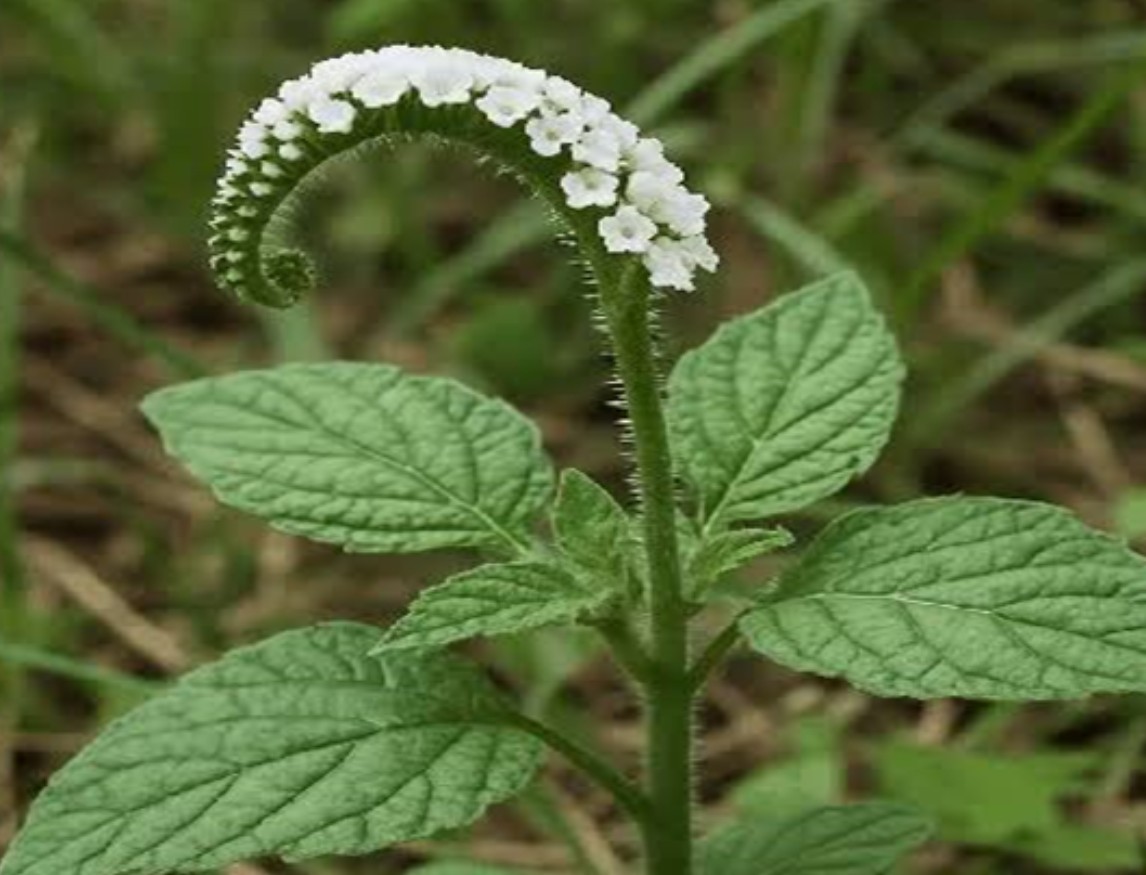
Also known as « wartweed » or nonsikou in traditional African pharmacopeia, Heliotropium indicum is widespread across the tropical regions of Africa, Asia, and America. It is an annual plant recognizable by its small blue-purple flowers arranged in the shape of a scorpion’s tail. Long valued by indigenous traditional medicine, it serves as a pillar of local remedies to cleanse the skin, ease pain, and protect the digestive tract.
A Powerful Weapon for Skin and Healing
The most famous field of application for Indian heliotrope lies in natural dermatology. Juice extracted from its fresh leaves—rich in antioxidants, tannins, and bioactive compounds—is commonly applied topically to treat a wide array of skin conditions.
Applied externally, the plant accelerates tissue regeneration and promotes the healing of superficial wounds, scrapes, and mild burns. Its antifungal, antibacterial, and decongestant properties rapidly soothe irritation, itching, eczema, or insect bites. Moreover, its fresh sap is traditionally employed to clear warts, boils, and persistent pimples.
A Digestive and Anti-Inflammatory Shield
Beyond its dermatological benefits, Heliotropium indicum contains major anti-inflammatory and antispasmodic active principles. Several research studies highlight the gastroprotective effect of its aqueous extracts. Used in a very light decoction, the plant helps calm stomach pain, prevent gastric mucosal ulcerations, and relieve bouts of diarrhea.
For joints and muscles, poultices made from crushed leaves applied locally help reduce swelling and ease stiffness linked to rheumatism, sprains, and inflammatory flare-ups. Finally, in certain traditions, diluted leaf juice is used as eye drops to soothe conjunctivitis and eye irritation.
Usage Guidelines: Favor External Application
To enjoy the benefits of Indian heliotrope safely, topical application remains the most suitable method:
To make a soothing poultice, crush a handful of well-washed fresh leaves into a smooth paste. Apply this preparation directly to the damaged or inflamed skin area, cover with a clean bandage, and leave it on for about thirty minutes before rinsing with clean water. To treat warts or bites, applying a few drops of juice extracted from crushed leaves directly to the spot proves particularly targeted.
Precautions for Use
Although natural, Heliotropium indicum requires extreme caution. Like many plants in the Boraginaceae family, it contains pyrrolizidine alkaloids. If ingested over prolonged periods or in high doses, these chemical substances present significant liver toxicity (risk of liver damage).
Consequently, internal use (herbal teas, drinking decoctions) must remain strictly occasional and supervised by a healthcare professional. Consumption is strictly contraindicated for pregnant or breastfeeding women, young children, and individuals suffering from liver or kidney diseases. Before any extensive skin application, performing an allergy patch test in the bend of the elbow is strongly recommended to rule out any risk of hypersensitivity reactions.