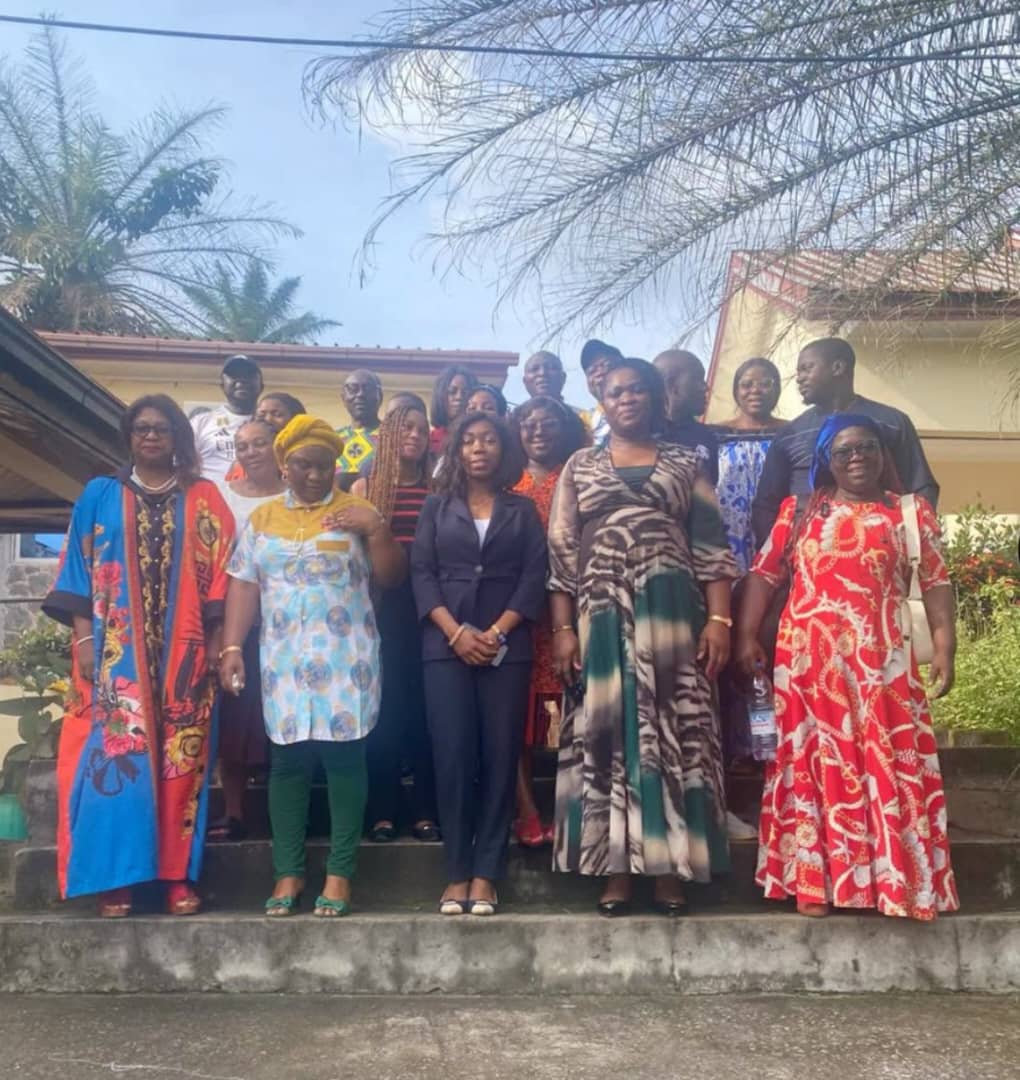
On October 6 and 7, 2026, the National AIDS Control Committee (CNLS) participated in a training session in Mbalmayo for Diagnostic and Treatment Centers (CDTs) in the « Grand Sud » region regarding tuberculosis and HIV. Centered on the « One-Stop Shop » approach, this workshop aims to optimize integrated care and the quality of treatment for co-infected individuals.
Efforts to combat two of sub-Saharan Africa’s major pandemics are intensifying in Cameroon. On October 6 and 7, 2026, the town of Mbalmayo hosted a strategic capacity-building workshop for Diagnostic and Treatment Centers (CDTs) in the « Grand Sud » zone. Organized with the active participation of the National AIDS Control Committee (CNLS), this two-day meeting focused on adopting new national and international guidelines for the management of tuberculosis and TB/HIV co-infection.
A targeted response to a major health challenge
Co-infection with the human immunodeficiency virus (HIV) and the tuberculosis bacterium represents one of the most formidable infectious combinations in public health. Tuberculosis remains the leading cause of death among people living with HIV, while HIV-induced immunosuppression accelerates the progression of tuberculosis.
In the face of this dual threat, the Mbalmayo workshop served as a crucial tool for updating the scientific and clinical knowledge of healthcare providers. The initiative equipped healthcare professionals with the tools needed across the entire tuberculosis care continuum—ranging from optimized early screening techniques and innovative diagnostic protocols to the rigorous administration of modern treatment regimens.
The « One-Stop Shop » Approach: Placing the Patient at the Heart of Care
Central to the discussions and training modules was the operational implementation of the « TB/HIV One-Stop Shop » concept. This integrated approach aims to break down traditional silos between medical services by offering patients screening, diagnosis, and simultaneous treatment for both tuberculosis and HIV (via antiretrovirals) in a single location during a single consultation.
By eliminating the multiple trips and care delays that often discourage patients, this model dramatically improves treatment adherence, reduces the rate of patients lost to follow-up, and maximizes the chances of recovery. Participants deepened their understanding of the fundamental principles of routine HIV screening for all tuberculosis patients and, conversely, active tuberculosis screening for all people living with HIV.
The CNLS’s Renewed Commitment to an Integrated Response
The presence and active contribution of the National Committee for the Fight Against AIDS (CNLS) to this training session reaffirm the Cameroonian health authorities’ determination to strengthen synergy among various health programs. For the CNLS, the goal is to promote comprehensive, human-centered care that addresses the patient’s actual needs.
This harmonization of collaborative TB/HIV activities aligns directly with the national strategy to improve the quality of care. By investing in human capital and the continuous professional development of practitioners at Diagnostic and Treatment Centers (CDTs) in the Greater South region, Cameroon is strengthening a vital link in its local healthcare system. As the country continues its efforts to meet global targets for eliminating AIDS and tuberculosis by 2030, the Mbalmayo initiative demonstrates a determined drive to translate clinical guidelines into effective daily practices, ensuring equitable access to quality care for every affected citizen.