

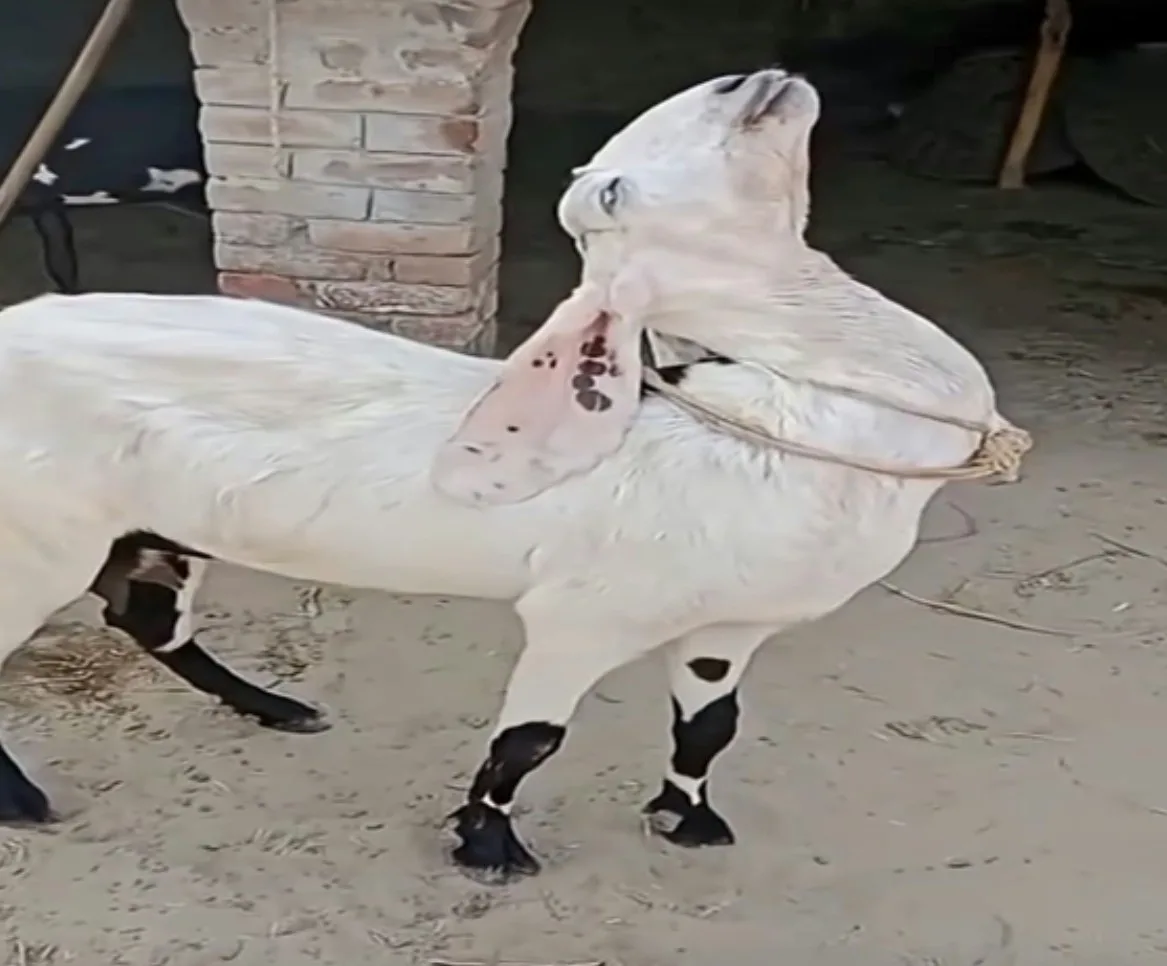
Caused primarily by an acute deficiency in vitamin B1 (thiamine) resulting from microbial disturbances in the rumen, this metabolic condition leads to cerebral edema and irreversible destruction of neurons if left untreated.
A bovine circling aimlessly, struck by sudden blindness, its gaze fixed on the sky before falling into violent convulsions. For any breeder or veterinarian, the clinical picture is as spectacular as it is formidable. Behind these impressive nervous manifestations lies a metabolic condition well known to animal health specialists: Cerebrocortical Necrosis (CCN), also known as polioencephalomalacia. Caused primarily by an acute deficiency in thiamine (vitamin B1), this devastating pathology strongly reminds us that the digestive balance of ruminants directly determines the survival of their nervous system.
Thiamine, the essential fuel for the ruminant brain
Unlike monogastrics, which draw most of their vitamins from their daily food intake, adult ruminants depend on the microflora of their rumen to synthesize vitamin B1. Thiamine plays a fundamental role in carbohydrate metabolism and cellular function. The brain, an organ that is particularly energy-hungry and dependent on glucose, is the first to be affected when the supply of vitamin B1 collapses.
When the deficiency occurs, the drop in energy at the cellular level causes major cerebral edema, leading to compression of the nervous tissue against the skull. Without rapid intervention, this pressure leads to the death of neurons in the cerebral cortex, hence the term cerebrocortical necrosis.
The mechanisms of a metabolic breakdown
How does an animal capable of producing its own vitamin B1 suddenly find itself in acute deficiency? The origin of the disease almost always lies in a dysfunction of the rumen, often triggered by a sudden dietary transition.
The massive ingestion of concentrated feeds rich in fermentable carbohydrates (seeds, cereals, industrial feeds) causes ruminal acidosis. This sudden change in acidity alters the beneficial
microflora in favor of bacteria that produce thiaminase, a destructive enzyme that breaks down vitamin B1 as soon as it is produced. Likewise, the absorption of certain plants that naturally contain anti-thiamines (such as bracken fern) or an excess of sulfur in drinking water and feed can block the metabolic assimilation of this essential vitamin.
CCN mainly affects young growing ruminants, whether cattle, sheep, or goats. The first signs combine a loss of appetite, isolation, and disorientation. Very quickly, nervous disorders set in: the animal exhibits central blindness (it can no longer see, but the eye retains a normal structure), motor incoordination, and a characteristic head thrown backward (opisthotonos). Without treatment, coma and death occur within a few days.
The emergency is absolute. Treatment relies on the massive and early administration of thiamine intravenously or intramuscularly. When the injection is given as soon as the first symptoms appear, clinical recovery is often spectacular within 24 to 48 hours, as the brain lesions are not yet irreversible.
In the field, prevention remains the best weapon. It relies on controlling dietary transitions, which should be spread over at least two weeks to give the rumen flora time to adapt. The regular supply of quality fiber (hay, straw) helps stimulate rumination, maintain a stable ruminal pH, and preserve the natural synthesis of vitamin B1. Particular attention to the quality of drinking water and mineral balance durably protects livestock against this metabolic tragedy.