
This collective malaise is explained by the inefficiency of the ADH7 gene in pachyderms, a genetic peculiarity that prevents their bodies from metabolizing ethanol and prolongs the intoxication for over 48 hours.
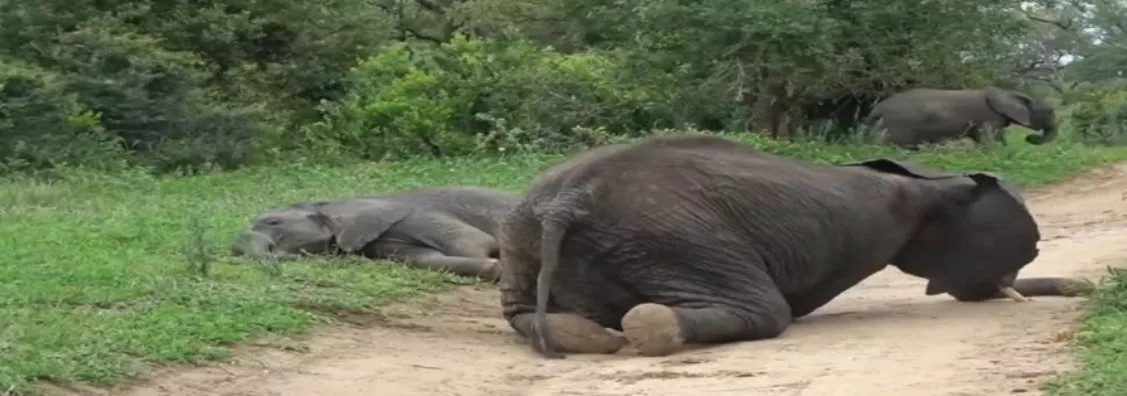
The image might bring a smile in a children’s fable. However, the reality on the ground is far more concerning. In the locality of Mayo-Galké, in the heart of the North region of Cameroon, a herd of elephants was spotted in a state of disorientation and advanced intoxication. The cause of this collective malaise? The massive ingestion of naturally fermented wild fruits, loaded with ethanol due to the heat. While the event sparks curiosity, it highlights a little-known biological vulnerability of the largest land mammals, while posing immense security challenges for local residents and conservation services.
A genetic failure when faced with alcohol
How can colossuses weighing several tons be brought down by simple fruits fallen from trees? Contrary to popular belief, the elephant’s imposing size does not protect it against alcohol intoxication. Researchers have demonstrated that pachyderms present a major genetic peculiarity: an inefficient mutation of the ADH7 gene (alcohol dehydrogenase 7), the key enzyme responsible for metabolizing and breaking down ethanol in the body.
Where humans and other primates tolerate and quickly eliminate small doses of alcohol, the elephant’s metabolic system is incapable of processing ethanol efficiently. The toxin quickly enters the bloodstream and crosses the blood-brain barrier. A minimal amount of fermented juice is thus enough to cause acute malaise in the animal, leading to a prolonged state of intoxication that can last over 48 hours before a return to normal.
Aberrant behaviors and security threats
The clinical manifestations of this ethyl malaise are spectacular and dangerous. In the field, observers note a loss of balance, a staggering gait, disordered agitation, and abnormally frequent vocalizations. Deprived of their sensory faculties and their hierarchical landmarks within the group, intoxicated pachyderms become unpredictable.
The main danger lies in the increased aggression caused by loss of inhibition and disorientation. A drunk elephant loses its natural fear of humans and can charge at the slightest visual or auditory stimulation. These situations deteriorate dramatically when herds approach inhabited areas in search of artisanal drinks or fermented crops.
Health risks for wildlife and safety guidelines
Beyond public safety, this intoxication poses a risk to the health of the species itself. While intoxicated, pachyderms risk serious falls, fractures, acute dehydration, or the trampling of young calves by destabilized adults.
Faced with this environmental threat in Mayo-Galké, local authorities and wildlife protection services are calling for the utmost vigilance. The public is strongly advised against attempting to approach the animals to take photos or scare them away. The instruction remains to maintain an absolute safety distance and to report any movement of the herd in order to prevent human-wildlife conflict.