
Two suspected Ebola cases identified in Adamawa State, northeastern Nigeria, have tested negative following two rounds of laboratory analysis, easing fears of further spread within the country. However, the Nigeria Centre for Disease Control and Prevention (NCDC) is maintaining heightened surveillance, with 62 contacts linked to the country’s only confirmed case still being monitored.
Two suspected cases ruled out in Adamawa
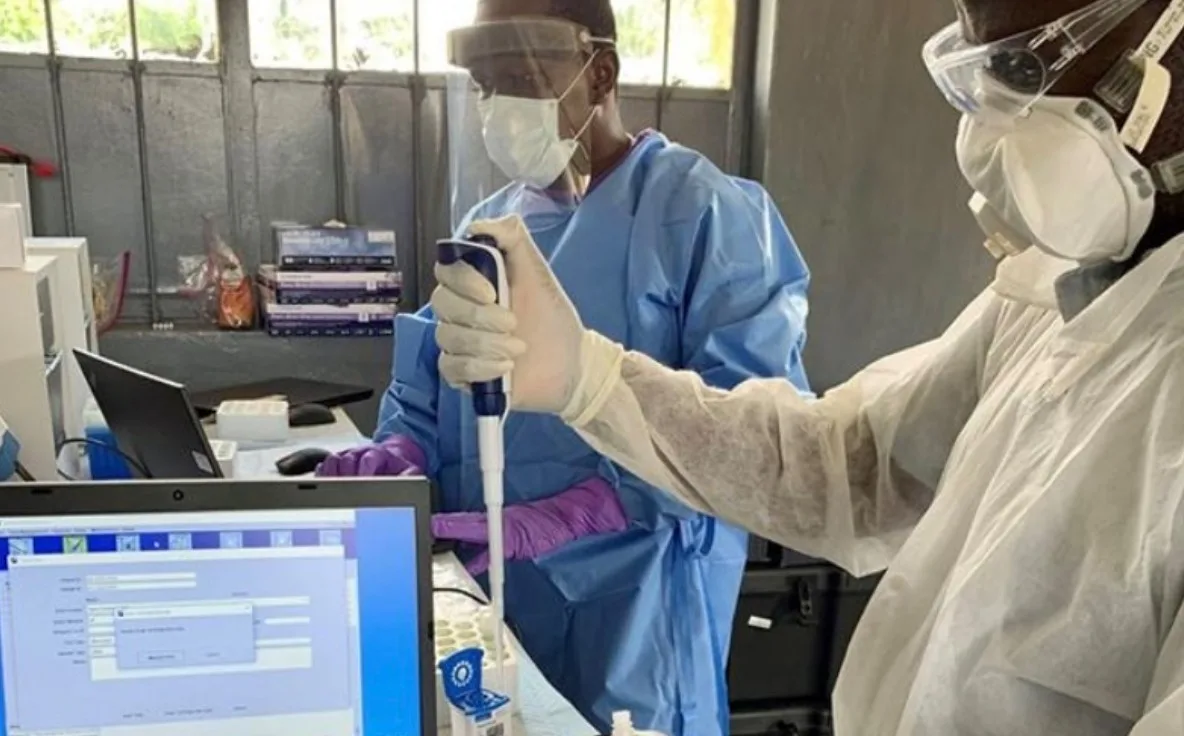
The alert was received by the Adamawa State Public Health Emergency Operations Centre in the early hours of October 30, 2026, after two individuals presented symptoms suggestive of Ebola virus disease. Both were immediately isolated while health authorities initiated investigations, identified potential contacts and collected samples for laboratory testing.
In an update released on October 31, NCDC Director-General, Dr Jide Idris, confirmed that the samples had tested negative after two rounds of testing. He also clarified that no laboratory-confirmed Ebola case had been recorded in Adamawa State. The agency commended the state health authorities for their prompt response and pledged continued technical support to strengthen local surveillance and response activities.
62 contacts remain under surveillance
Despite the reassuring results, Nigeria’s public health authorities are continuing to monitor 62 contacts linked to the first confirmed case. According to the NCDC’s situation report, contact tracing and follow-up activities are ongoing, with the monitoring period expected to end on different dates between October 31 and November 13.
Six primary contacts were also expected to leave the isolation centre on November 1 after completing the required 21-day monitoring period without developing symptoms suggestive of the disease. They included two domestic workers and the driver’s index patient.
The NCDC reported that 18 samples had been analysed since the response began. Only one tested positive, corresponding to the initial confirmed case, while the remaining 17 were negative. These included 15 samples from contacts and the two suspected cases identified in Adamawa.
An imported case triggered the alert
Nigeria’s current Ebola surveillance response follows the confirmation, on October 20, of its first case in more than a decade. The patient, a Swiss woman who had travelled from Uganda to Abuja, developed symptoms on October 7 and sought medical attention at a private health facility in the Nigerian capital four days later.
Laboratory investigations confirmed infection with the Bundibugyo strain of the Ebola virus. She was subsequently evacuated to Switzerland on October 26 alongside her husband, who was considered a close contact.
Genomic analysis conducted by Nigerian health authorities indicated that the virus detected in the patient was closely related to the strain identified in Kenya’s first imported case. However, this finding did not establish where the woman had contracted the infection.
Regional vigilance remains essential
Nigeria’s situation is part of a wider regional public health concern involving the Bundibugyo strain. The Democratic Republic of the Congo remains at the centre of the outbreak, while infections have also been reported in Kenya and Uganda.
The absence of an approved vaccine or specific treatment for the Bundibugyo strain makes early detection, laboratory confirmation, isolation and contact tracing particularly important. The 21-day monitoring period allows health authorities to identify exposed individuals who may develop symptoms within the virus’s incubation period.
For Nigeria, the negative results from Adamawa represent a reassuring development. Nevertheless, the continued monitoring of contacts linked to the imported case remains essential to preventing possible local transmission and containing the public health threat.