
Ahead of the reactive vaccination campaign scheduled from November 26 to 30, 2026, in the health districts of Meri (Extreme-North region) and Melong (Littoral region), the Expanded Programme on Immunization (EPI) has designed a proactive communication strategy to build community trust and boost turnout.
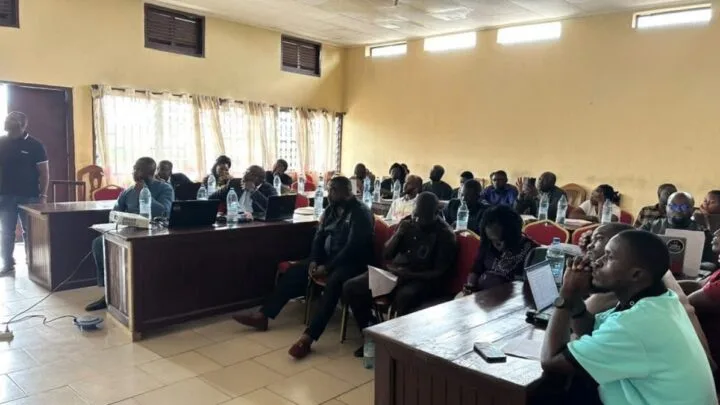
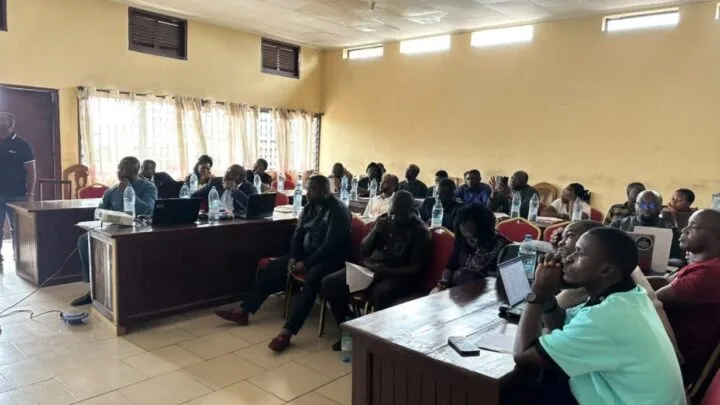
A successful vaccination campaign is not won solely within health facilities. It is also forged on the ground through information, right where perceptions, anxieties, and fake news can sway public decisions. With this objective in mind, the central coordination team of the Expanded Programme on Immunization (EPI), alongside the national alert committee and key resource persons, convened on October 30 and 31, 2026, at the EPI CSU hall in Yaoundé, to formulate robust communication tools tailored for the upcoming yellow fever vaccination response. This intensive workshop was specifically designed to anticipate communication bottlenecks that could compromise community participation in the targeted campaign across the Meri and Melong health districts. The core mission centered on identifying barriers to vaccination, analyzing circulating rumors, and crafting precise, reassuring answers to public concerns, thereby neutralizing misinformation and reluctance before deployment.
Understanding resistance to drive better action
Unpacking the underlying factors that impede vaccine uptake marked a critical phase of the sessions. Participants meticulously examined community perceptions and localized anxieties to formulate clear, comprehensible messaging. This proactive approach deliberately avoids generic pronouncements on the abstract value of immunization, choosing instead to honor local realities, sociocultural habits, and the specific daily challenges faced by populations in the targeted zones. Formulating responses anchored in verifiable health data, delivered in accessible language tailored to diverse demographics, remains paramount to reinforcing trust between
communities and health workers. An informed population is ultimately better equipped to recognize the direct benefits of vaccination and make enlightened health choices.
Tailored messaging anchored in community realities
Beyond mapping obstacles, the workshop focused on designing and validating strategic communication assets intended to accompany the field campaign across both rural sectors and urban hubs. Tailoring tools to various segments of the public represents a formidable challenge, requiring messages that are relevant, easily understood, and channeled through communication mediums capable of truly reaching targeted communities. This methodology accommodates gaps in information access and unique regional communication habits. Engaging resource persons and the monitoring team ensures continuous oversight of emerging rumors, equipping health agents with coherent, synchronized rebuttals throughout the intervention window.
Communication at the service of the immunization response
Scheduled from November 26 to 30, 2026, the reactive yellow fever campaign will target the vulnerable populations of Meri in the Extreme-North and Melong in the Littoral. In this operational context, communication serves as an indispensable pillar that complements clinical vaccination activities by raising awareness, dispelling anxiety, and driving active community participation. Preparing these communication packages upstream prevents improvised messaging during field deployment. Ultimately, this two-day workshop enables the EPI to fine-tune its strategic outreach, ensuring that accurate information reaches the right audiences in digestible formats at the most opportune moments.
Marie Chantale FAIDA