
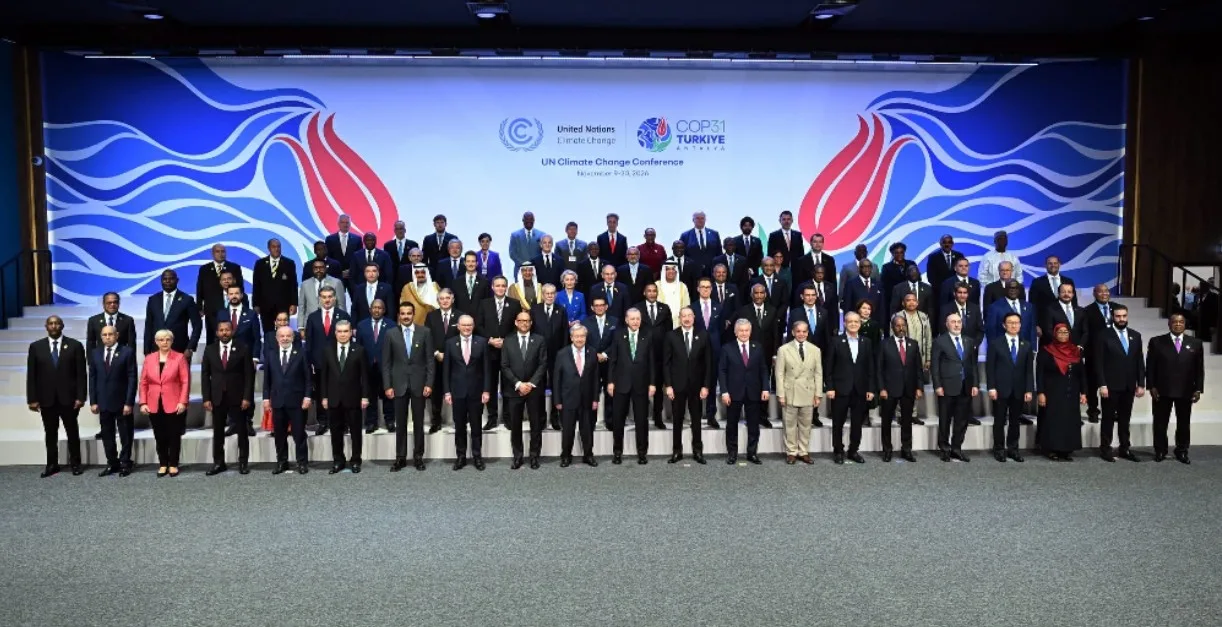
The 31st United Nations Climate Change Conference (COP31), taking place from 9 to 20 November in Antalya, Türkiye, has placed health systems resilience on its agenda. Through new initiatives launched alongside the summit, the World Health Organization and its partners are calling for stronger health services to withstand the growing health impacts of climate change.
Climate change is a growing public health concern at the 31st United Nations Climate Change Conference (COP31), taking place in Antalya from 9 to 20 November. On 9 November, the World Health Organization (WHO) and Türkiye’s COP31 Presidency opened the summit’s health programme with a dedicated Health Day, bringing together ministers, experts and civil society representatives.
Discussions focused on climate, air pollution, energy and resilient health systems. The WHO estimates that around 3.5 billion people live in contexts highly vulnerable to climate change. More than 90 per cent of deaths from climate-related disasters over the past two decades occurred in developing countries.
Climate pressures threaten access to care
Heatwaves can worsen cardiovascular and respiratory conditions, while floods can contaminate water sources and increase waterborne diseases. Droughts, food insecurity and changing patterns of infectious diseases add pressure on health services.
Flooded roads can prevent patients from reaching clinics; power cuts disrupt services and vaccine refrigeration; damaged water systems undermine hygiene in health facilities. Pregnant women, newborns, children, older people and outdoor workers face particular risks.
Preparation requires reliable electricity and safe water in health facilities, trained workers, and effective surveillance and early-warning systems.
New initiative seeks to turn commitments into action
On 9 November, Türkiye’s COP31 Presidency launched the Antalya Initiative for Health Resilience (AIR), a voluntary, non-binding platform to help countries share experience on building resilient health systems. Supported by the WHO-hosted Alliance for Transformative Action on Climate and Health (ATACH), it will document approaches and encourage peer learning.
The initiative addresses a gap identified by the WHO: although evidence on effective climate and health measures is growing, implementation and financing remain insufficient. On 10 November, the fourth ATACH Day brought together health ministers, partner organisations and experts under the theme “From commitments to implementation”. Participants presented country-level solutions and discussed how pledges could translate into practical changes.
Financing remains a central challenge
The WHO is calling for health to be explicitly recognised in climate finance so countries can mobilise resources to protect health services. In a briefing published ahead of COP31, the organisation estimates that six priority climate and health interventions could prevent 1.6
million deaths annually and generate about US$24 in benefits for every dollar invested.
For African countries, priorities include adapting health facilities to heat and floods, maintaining services during extreme weather, strengthening disease surveillance and ensuring access to clean energy and water. These measures require sustained investment and coordination between health, environment, energy and finance ministries.
Governments must now translate climate commitments into national health plans, budgets and services. COP31´s impact will depend not only on declarations made in Antalya, but on whether they lead to better-equipped facilities, prepared health workers and safer access to care for communities most exposed to climate risks.