
An estimated 30.3 million people could face crisis levels of acute food insecurity or worse in the Democratic Republic of the Congo between January and June 2027. Beyond food shortages, the situation threatens to worsen malnutrition, increase vulnerability to infectious diseases and further weaken access to essential healthcare.
The hunger crisis in the Democratic Republic of the Congo is taking on increasingly worrying public health dimensions. According to a joint warning issued on November 13 by the Food and Agriculture Organization (FAO), the World Food Programme (WFP), UNICEF and the World Health Organization (WHO), 30.3 million people are projected to face acute food insecurity at crisis level or worse during the first half of 2027.
The forecast represents an increase of approximately 1.5 million people compared with the estimated 28.8 million affected between September and December 2026. More concerning still, 4.2 million people could experience emergency levels of food insecurity, classified as Phase 4 under the Integrated Food Security Phase Classification (IPC), up from 3.6 million in the current period.
The situation is particularly alarming in North Kivu, South Kivu and Ituri, where conflict, population displacement and disrupted livelihoods continue to undermine household access to food.
Children face mounting nutritional risks
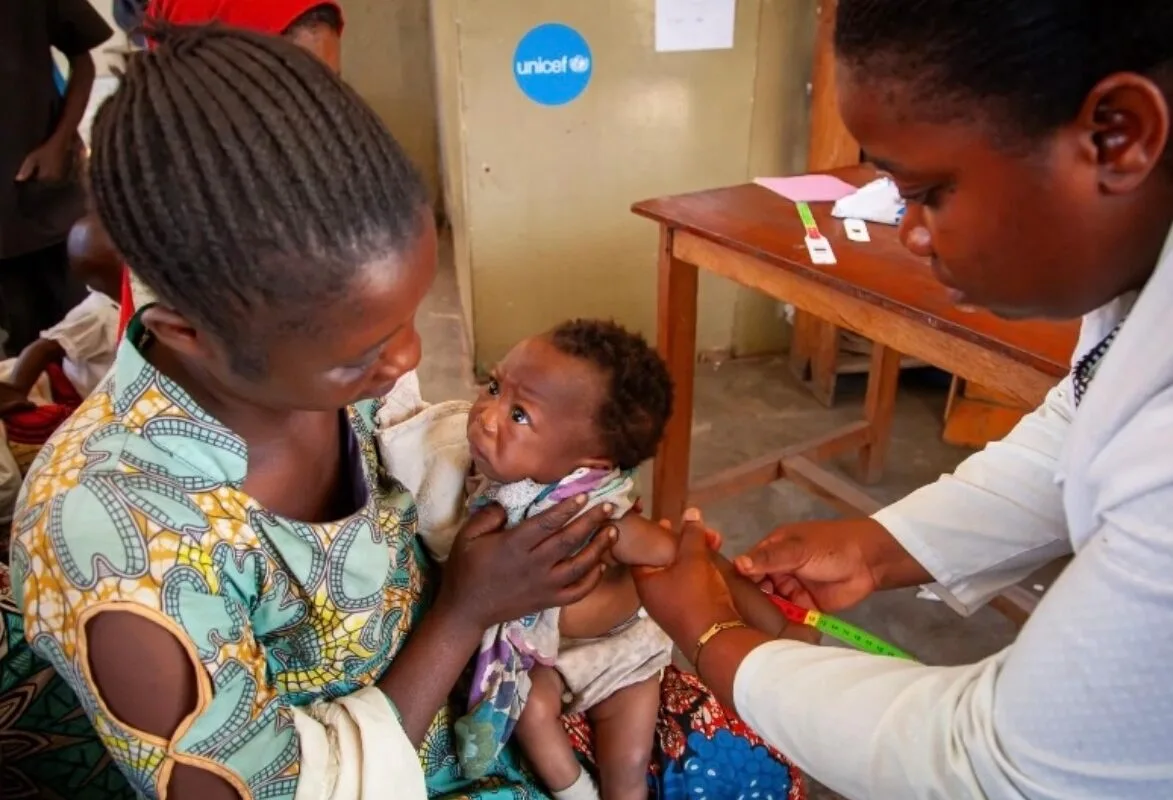
Beyond the figures, the consequences for public health could be severe. Children under five are among those most exposed to the deterioration in food availability and dietary quality. Insufficient food intake, combined with poor dietary diversity, increases their risk of acute malnutrition and weakens their ability to withstand infections.
Displacement and limited access to health and nutrition services further complicate the situation. In communities already struggling to meet basic needs, the lack of adequate food can have lasting consequences for children’s growth and development.
The problem extends beyond nutrition. Limited access to safe drinking water and sanitation creates additional health risks, particularly for children already weakened by inadequate diets. Diarrhoeal diseases and other infections can further worsen nutritional deficiencies, creating a cycle that is difficult to break.
Hunger and disease reinforce each other
The four United Nations agencies also point to the interaction between food insecurity and the country’s multiple health emergencies. Outbreaks of diseases such as cholera, Ebola, mpox and measles add pressure to already fragile communities.
Disease outbreaks can disrupt agricultural activities, restrict movement, reduce household incomes and increase the financial burden on families. At the same time, malnutrition and poor living conditions can make vulnerable populations less resilient to infections.
In conflict-affected areas, insecurity and population movements also make it harder for humanitarian organisations to reach people in need. Health facilities and nutrition services may become difficult to access precisely when demand is increasing.
Humanitarian response under pressure
The worsening outlook is driven by several overlapping factors, including armed conflict, climate shocks, rising food prices and declining humanitarian assistance. Disruptions to agricultural production and markets have further reduced households’ ability to secure sufficient food.
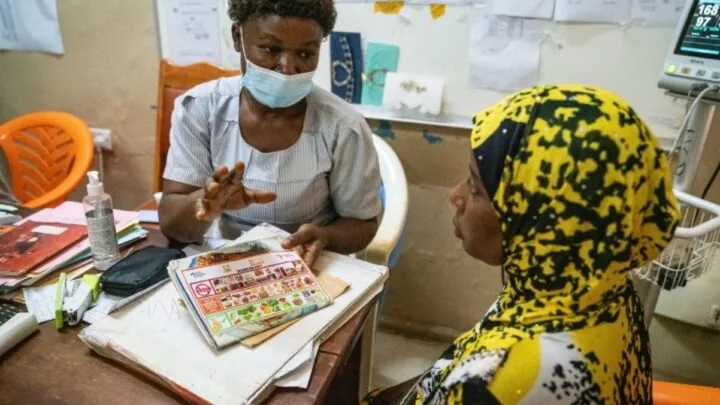
In response, FAO, WFP, UNICEF and WHO are calling for stronger food assistance, expanded prevention and treatment of acute malnutrition, and continued delivery of essential health, water and sanitation services.
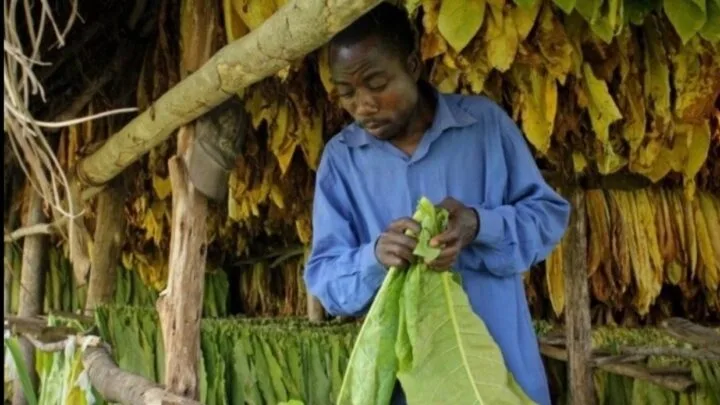
FAO also stresses the importance of supporting agricultural recovery through the provision of seeds, tools and other farming inputs, enabling vulnerable households to resume production and restore their livelihoods.
With millions more people potentially facing severe food shortages in the coming months, the challenge goes beyond ensuring access to meals. Preventing the deterioration of food security is also essential to protecting children, containing disease risks and preserving access to basic healthcare. In the Democratic Republic of the Congo, the fight against hunger is increasingly inseparable from the fight to protect public health.