For the first time, an antimalarial drug adapted for babies weighing 2 to 5 kilograms has been prequalified by the World Health Organization (WHO), putting an end to decades of improvised dosing. At the same time, three rapid diagnostic tests circumvent the problem of « invisible » parasite strains. Two major advances to protect the most vulnerable.https://www.who.int/fr/news-room/fact-sheets/detail/malaria
WHO prequalifies the very first antimalarial treatment for newborns and infants, as well as new diagnostic tests.
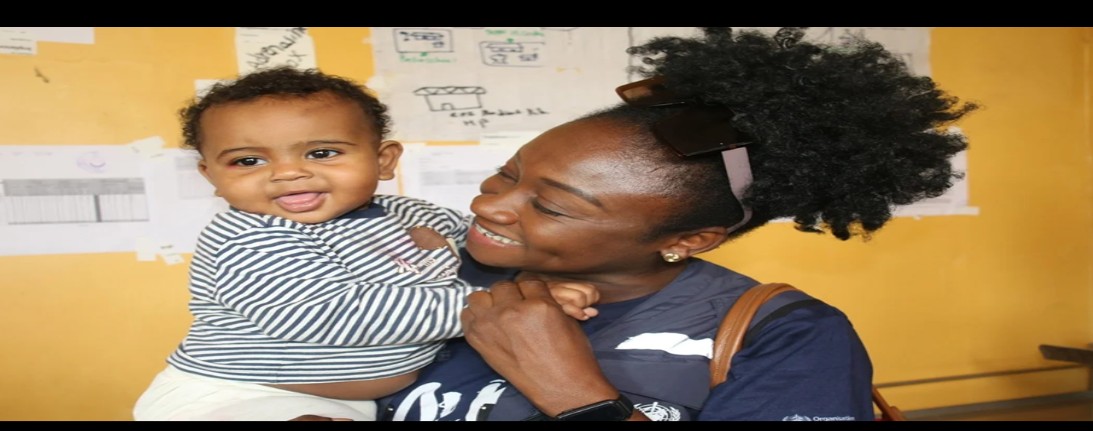
For decades, treating a 2.5-kilogram baby against malaria involved dangerous improvisation. An adult tablet would be crushed. A dose intended for an older child would be cut. Each treatment was a gamble, sometimes fatal. That era has just ended. On the eve of World Malaria Day, 25 April 2026, the World Health Organization prequalified the very first antimalarial drug designed specifically for newborns and infants weighing between two and five kilograms. A breakthrough that will fill a therapeutic void that has affected millions of the world’s most vulnerable babies.
The drug is called the artemether‑lumefantrine combination. It is not new in itself, but its formulation is a world first. Until now, infants were treated with dosages intended for older children, which exposed them to increased risks of errors, side effects and toxicity. WHO prequalification changes the game. It attests that this treatment meets international standards of quality, safety and efficacy. Above all, it paves the way for public procurement, allowing national health systems to integrate it on a large scale. Each year, approximately 30 million infants born in malaria‑endemic African regions will finally be able to benefit from a therapy adapted to their weight and fragility.
This announcement is not isolated. On 14 April 2026, WHO prequalified three new rapid diagnostic tests that solve another health puzzle. Conventional tests, very widespread, rely on the detection of a parasite protein called HRP2. However, certain malaria strains have learned to delete the gene that produces this protein. The result: these parasites become invisible. The tests return a false negative, the patient is not treated, and the disease can progress to a severe or even fatal form. In the Horn of Africa, up to 80% of cases thus went unnoticed.
The new tests circumvent the obstacle. They target another parasitic protein, pf‑LDH, which
the parasite cannot eliminate. They thus offer reliable diagnosis, even where older tests have become ineffective. WHO now recommends that countries adopt these RDTs as soon as more than 5% of cases escape classical detection. This is a lifeline for the most vulnerable communities.
These advances come as the 2025 World Malaria Report is staggering. In 2024, there were an estimated 282 million cases and 610,000 deaths, an increase from the previous year. Drug resistance, insecticide resistance and declining international aid threaten progress. Yet, since 2000, 2.3 billion infections have been averted and 14 million lives saved. Twenty‑five countries are now deploying malaria vaccines, protecting millions of children. New‑generation mosquito nets account for 84% of new distributions.
The theme of World Malaria Day 2026 sums up this state of mind: « Determined to eliminate malaria: now that we can, it is our duty to succeed. » Dr Tedros Adhanom Ghebreyesus, WHO Director‑General, reminded us that ending malaria in our lifetime is no longer a dream; it is a real possibility. Provided there is sustained political and financial commitment. For the 2.5‑kilogram babies who, tomorrow, will receive for the first time a treatment tailored to their size, this promise has already begun to be kept.
Elvis Serge NSAA