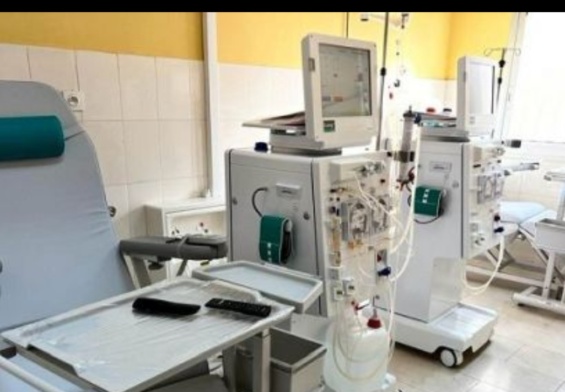
A high-level delegation from the Global Fund was on a mission to Yaoundé this Wednesday, May 13.Objective: to measure on the ground the effectiveness of HIV and tuberculosis control programs in Cameroon, and to strengthen international funding.From the Chantal Biya Foundation’s Mother and Child Center to the Odza District Hospital, international experts listened to healthcare workers, commended the progress made—and heard about the challenges. This immersive experience will shape the future direction of the partnership between Cameroon and the Global Fund.https://hivinfo.nih.gov/understanding-hiv/fact-sheets/hiv-and-tuberculosis-tb
The fight against HIV and tuberculosis in Cameroon is increasingly being shaped by one guiding principle: integration. On Wednesday, May 13, that strategy took center stage as senior representatives of the Global Fund carried out a joint field visit in Yaoundé alongside national public health officials and program coordinators.
The mission brought together Dr. Beatriz Thomé, Senior HIV Advisor at the Global Fund, and Dr. Grania Brigden, Senior TB Advisor, accompanied by representatives of the National AIDS Control Committee (NACC), the National Tuberculosis Control Program (NPFM), and the Center Regional Delegation of Public Health.
Their objective was clear: evaluate how integrated healthcare services are being implemented on the ground and identify ways to strengthen collaboration between HIV and tuberculosis programs.
The day opened with a strategic meeting chaired by NACC Permanent Secretary, Dr. Joseph Fokam. Discussions focused on two priority areas that health authorities consider critical to improving patient outcomes and accelerating disease control efforts.
One of the major themes was the triple elimination of mother-to-child
transmission of HIV, syphilis, and hepatitis B. Stakeholders emphasized the growing importance of the “one-stop shop” approach in hospitals, a model designed to provide mothers and children with multiple essential services in a single location. Participants also highlighted the impact of community outreach initiatives such as Maternal Outreach (M Reach), which has helped extend prevention and follow-up services closer to vulnerable populations.
Another key point of discussion centered on HIV-TB co-infection, a persistent public health challenge in Cameroon and across sub-Saharan Africa. Officials explored strategies for improving coordination between programs while expanding access to faster and more efficient tuberculosis diagnosis through innovative technological tools.
Beyond policy discussions, the mission also sought to examine how these strategies are translating into daily clinical practice.
To that end, the delegation visited two major health facilities in Yaoundé: the Mother and Child Center of the Chantal Biya Foundation and the Odza District Hospital. Both institutions were specifically selected because they provide integrated services addressing the two main pillars of the mission; HIV and tuberculosis care.
Inside consultation rooms, laboratories, and treatment units, frontline healthcare workers presented the progress achieved through integrated service delivery. Medical teams explained how closer coordination between departments has improved patient follow-up, reduced delays in diagnosis, and strengthened continuity of care.
At the same time, staff members did not shy away from describing the realities they continued to face. Limited resources, increasing patient loads, logistical constraints, and the need for sustained technical support remain daily challenges in maintaining quality services.
As Cameroon continues its efforts to curb HIV and tuberculosis, the message emerging from Yaoundé was unmistakable: stronger integration may well be one of the country’s most effective tools for delivering care where it is needed most.
Ornéla ZANGA